Last updated:
One of the first signs investigators look for is a sudden shift in someone’s daily habits. A partner who previously had a predictable schedule may begin staying late at work, taking “new” fitness classes, or creating excuses that never appeared before. These changes are often presented as harmless, but over time, they can start to feel suspicious.
Surveillance often reveals that these unexplained gaps are being used to meet someone privately or visit locations that don’t match their story. A private investigator can track patterns over several days or weeks, noting times, addresses, and travel routes. This helps determine whether these changes have an innocent explanation, like real work demands, or something more concerning.
The key is consistency. One unusual late night may mean nothing. But regular unexplained absences that match a repeating pattern are exactly the kind of behaviour surveillance is designed to document.
1. Sudden Changes in Routine or Unexplained Absences
One of the first signs investigators look for is a sudden shift in someone’s daily habits. A partner who previously had a predictable schedule may begin staying late at work, taking “new” fitness classes, or creating excuses that never appeared before. These changes are often presented as harmless, but over time, they can start to feel suspicious.
Surveillance often reveals that these unexplained gaps are being used to meet someone privately or visit locations that don’t match their story. A private investigator can track patterns over several days or weeks, noting times, addresses, and travel routes. This helps determine whether these changes have an innocent explanation, like real work demands, or something more concerning.
The key is consistency. One unusual late night may mean nothing. But regular unexplained absences that match a repeating pattern are exactly the kind of behaviour surveillance is designed to document.
2. Guarded or Secretive Phone Behaviour
Modern cheating often begins with digital communication. Many affairs start as friendly messages, DMs, or inside jokes that gradually become more emotional or intimate. When a partner becomes unusually protective of their phone, it can be a major red flag.
You might notice them changing their lock codes, keeping their screen face down, deleting messages, or suddenly turning off notifications. They may take their phone to the bathroom, sleep with it under their pillow, or step outside to answer calls they claim are “work” or “nothing important.”
Through surveillance, investigators often observe people hiding their screens when someone walks past or repeatedly leaving shared spaces to take calls. While phone secrecy alone doesn’t prove infidelity, it becomes significant when paired with other behaviours documented during an investigation—such as late-night outings or secret meetings.
3. Increased Effort in Appearance Before Leaving Home
A noticeable change in grooming or style can signal the desire to impress someone new. Investigators frequently report cases where a partner starts dressing differently, buying new clothes, wearing perfume or cologne more often, or spending extra time getting ready, especially when these changes don’t align with work requirements or normal social plans.
On its own, wanting to look good isn’t suspicious. People change their style all the time. But when this new effort lines up with unexplained absences, secretive phone use, or “meetings” that can’t be verified, it can suggest there is more going on.
Surveillance may reveal that the person’s increased effort correlates with private meetups, unplanned outings, or visits to unfamiliar locations. A PI can document who they meet, where they go, how often it happens, and how long they stay. This turns a vague feeling of “something’s not right” into clear information you can actually act on.
4. Distancing in the Relationship or Emotional Withdrawal
Cheating is not always physical at first. Emotional distance is another strong sign that often gets confirmed through surveillance. A partner may become less affectionate, avoid conversations, start arguments over minor issues, or show reduced interest in family activities and shared plans.
You might notice them spending more time on their phone than talking to you, becoming defensive when you ask simple questions, or disengaging from traditions they once cared about. They may stop planning for the future, show less concern for your feelings, or act as if they are “somewhere else” mentally, even when they are in the same room.
Investigators often find that emotional withdrawal coincides with a growing attachment to someone else. Surveillance footage can document the time and attention being redirected toward a new connection—regular catch-ups, secret dinners, or overnight stays. This evidence helps clients understand why the energy in their relationship has changed so dramatically at home.
5. Secret Meetings or Suspicious Travel Patterns

The most definitive cheating signs come from a person’s actual movements. Words can be twisted or changed; travel patterns are harder to fake. Private investigators use discreet surveillance to observe whether a partner is meeting someone regularly, entering hotels, visiting homes in other suburbs, or travelling to locations that contradict their stated plans.
They pay close attention to recurring behaviour, such as weekly “late meetings,” frequent unexplained lunch breaks, or repeated trips to the same address. Documented movement patterns—especially when linked to the same person or place—often confirm suspicions with undeniable evidence.
Even when a partner insists they’re “just with friends” or “only at work,” surveillance can show whether a third party is consistently involved. This gives you facts, not guesses.
How Surveillance Works in Cheating Investigations
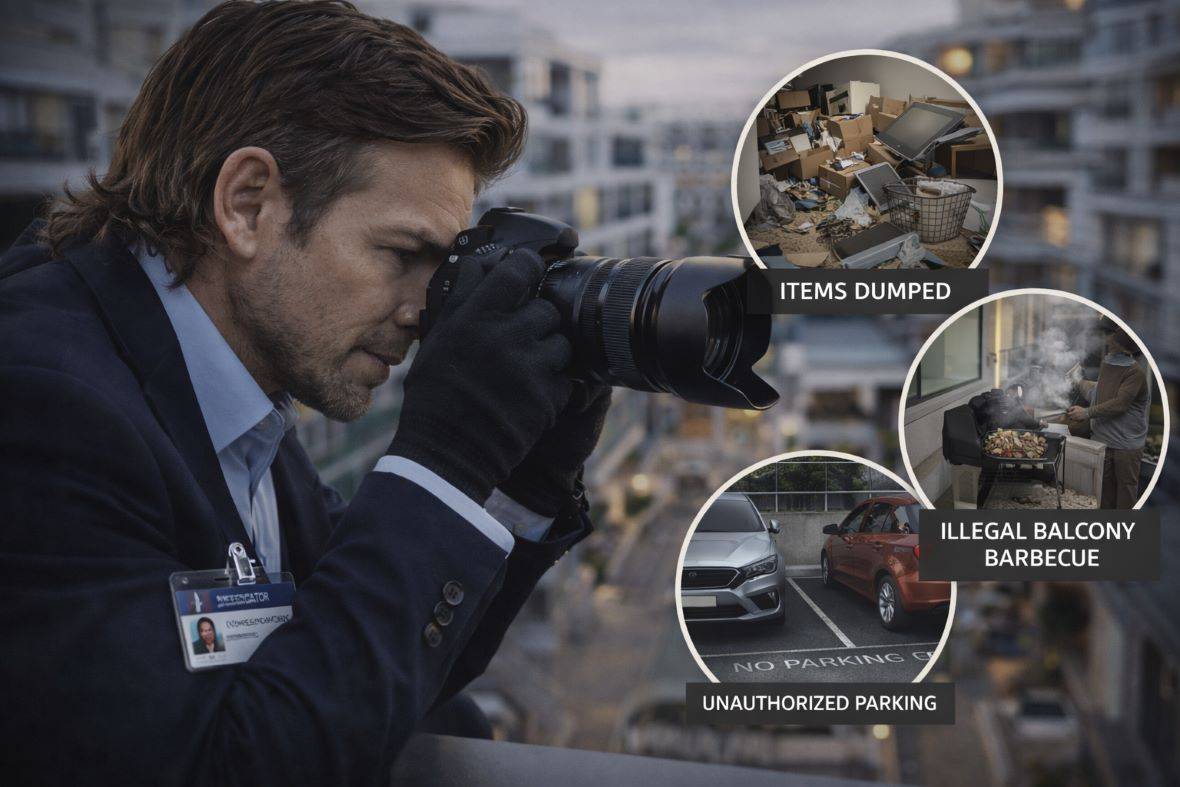
Many people imagine surveillance as something out of a movie—dramatic car chases or cameras in every corner. In reality, it is usually patient, careful observation conducted by licensed professionals who know how to blend in and remain unseen.
A typical cheating investigation might involve:
- Reviewing the information you already have (times, excuses, locations)
- Planning specific days and times to observe the person
- Following them from home, work, or known meeting spots
- Recording movements, vehicles, locations, and interactions
- Taking date-stamped photos or video as evidence
All of this is done legally, from public places or other lawful vantage points. The goal is not to invade private spaces, but to document real behaviour that can either confirm or ease your fears.
Why Surveillance Is the Turning Point for Many Clients

Many people feel overwhelmed when they suspect cheating. They want answers, but they also fear confronting their partner without proof. They may worry about being called “crazy,” “jealous,” or “paranoid.” This emotional pressure can keep them stuck for months or even years.
A private investigator provides legal, unbiased documentation that removes guesswork and emotional conflict. Surveillance reports usually include:
- Date-stamped photos
- Video recordings
- Written observations
- Verified timelines and locations
These give clients the confidence to make informed decisions—whether that means seeking counselling, setting boundaries, speaking to a lawyer, or choosing to leave the relationship. Surveillance is discreet, professional, and conducted under strict legal guidelines—ensuring the evidence can be used for personal clarity or in court if needed.
When Should You Contact a Private Investigator?
You don’t need proof to ask for help. In fact, most clients contact a private investigator when they only have questions, not evidence. It’s enough to feel that something isn’t right.
A private investigator can assist if:
- Something feels “off”, and you can’t shake the feeling
- Stories stop lining up or keep changing
- Your partner becomes unusually protective of their privacy
- There are sudden changes in spending, behaviour, or communication
- You feel anxious, confused, or unsure what to believe
Speaking with a PI early can prevent emotional stress, wasted time, and further deception. Even an initial consultation can help you understand your options and decide whether surveillance is the right step.
The Risks of Trying to “Catch Them” Yourself
It can be tempting to follow your partner, check their phone in secret, or record them without telling them. While understandable, this can easily go wrong.
DIY spying can:
- Put you in unsafe situations
- Lead to arguments or confrontation
- Accidentally break privacy or surveillance laws
- Produce evidence that can’t be used
- Backfire if your partner turns the situation against you
A professional PI removes you from the front line. They stay calm, keep their distance, and know exactly how to document behaviour without causing a scene. That way, if cheating is happening, you have proof that is collected properly and respectfully.
Get the Clarity You Deserve
Cheating concerns often grow silently, creating doubt and worry that affect every part of your life. A private investigator gives you clarity by uncovering the truth—whatever it may be. With professional surveillance, you gain the evidence, peace of mind, and certainty needed to take the next step with confidence.
If you’re noticing the signs and want answers, help is available. A discreet, experienced investigator can walk beside you, gather the facts, and help you reclaim control over your life and your future.
You don’t have to face this alone.

Written by the Triumph Australia investigations team. We work for insurers, claims managers, employers and law firms on surveillance, fraud and due diligence matters Australia-wide.
GORA Investigations Pty Ltd, NSW Master Licence 412080174.