Last updated:
As the final weeks of 2025 approach, you might look back at your desk and see a different world than the one you knew last January. The past 12 months have transformed the field of private investigation into a sophisticated blend of technical skills and raw human intuition. You’ve likely felt the shift in how people guard their secrets and how the truth now hides in the gaps between data points. This year provided a hard lesson in adaptability for every investigator trying to keep a footing in a changing society. It wasn’t just about catching someone in the act; it was about understanding the why and the how behind every hidden action. You’re now operating in a space where traditional shoe-leather work meets a complex web of modern lifestyle choices.
New Rules For Digital Evidence In 2025

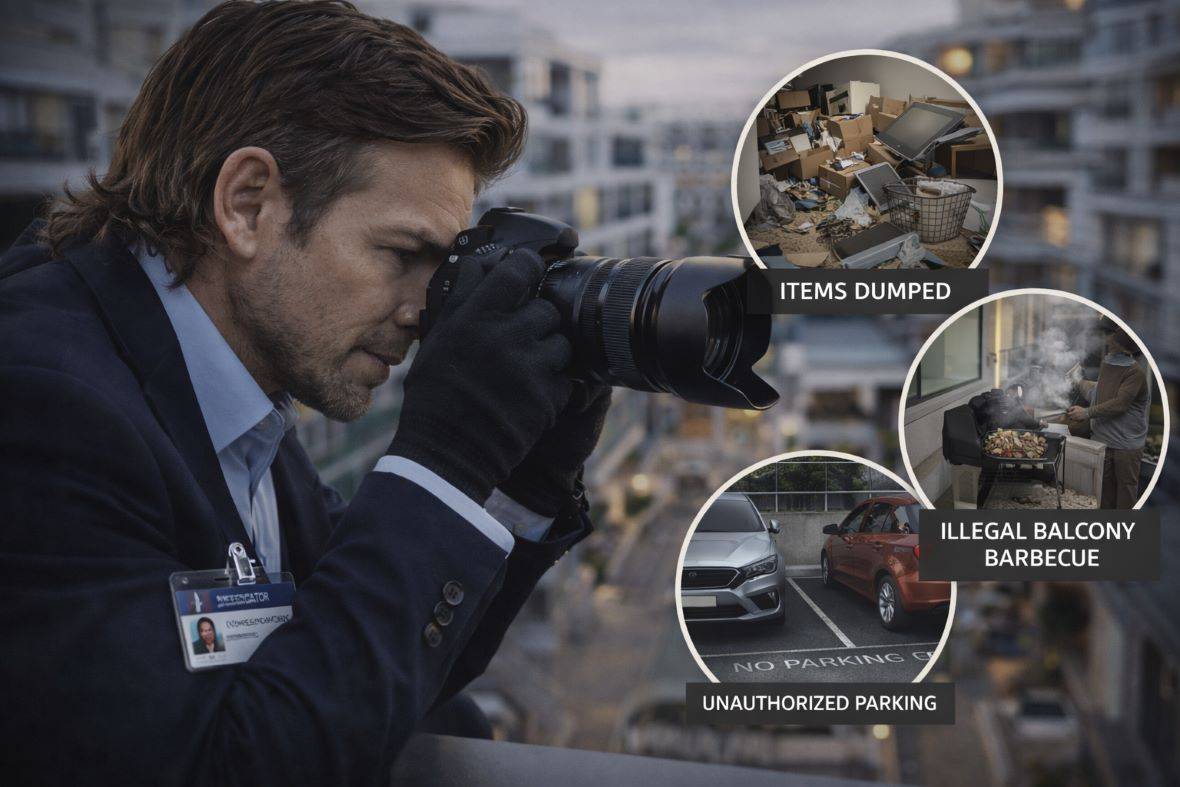
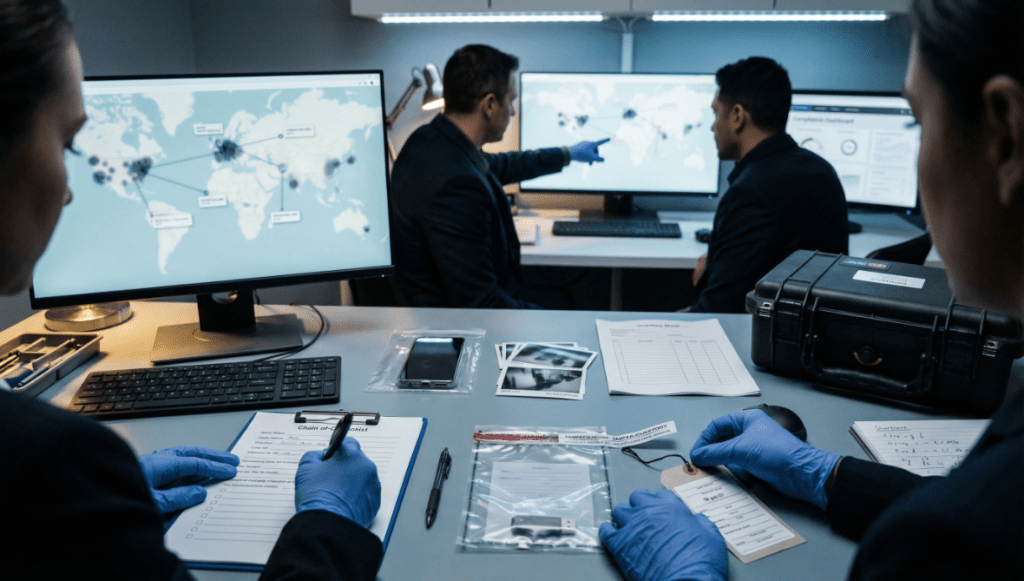
The days of simply sitting in a car with a long-lens camera are fading fast as the primary way to close a case. Most private investigators will tell you that the most valuable evidence now lives behind a screen or within a cloud. In 2025, the physical trail is often just a secondary piece of the puzzle. You’ve probably noticed that subjects are much more aware of their physical surroundings than they are of their digital footprints. While they check their mirrors for a tail, they forget about the smart devices that record their every move.
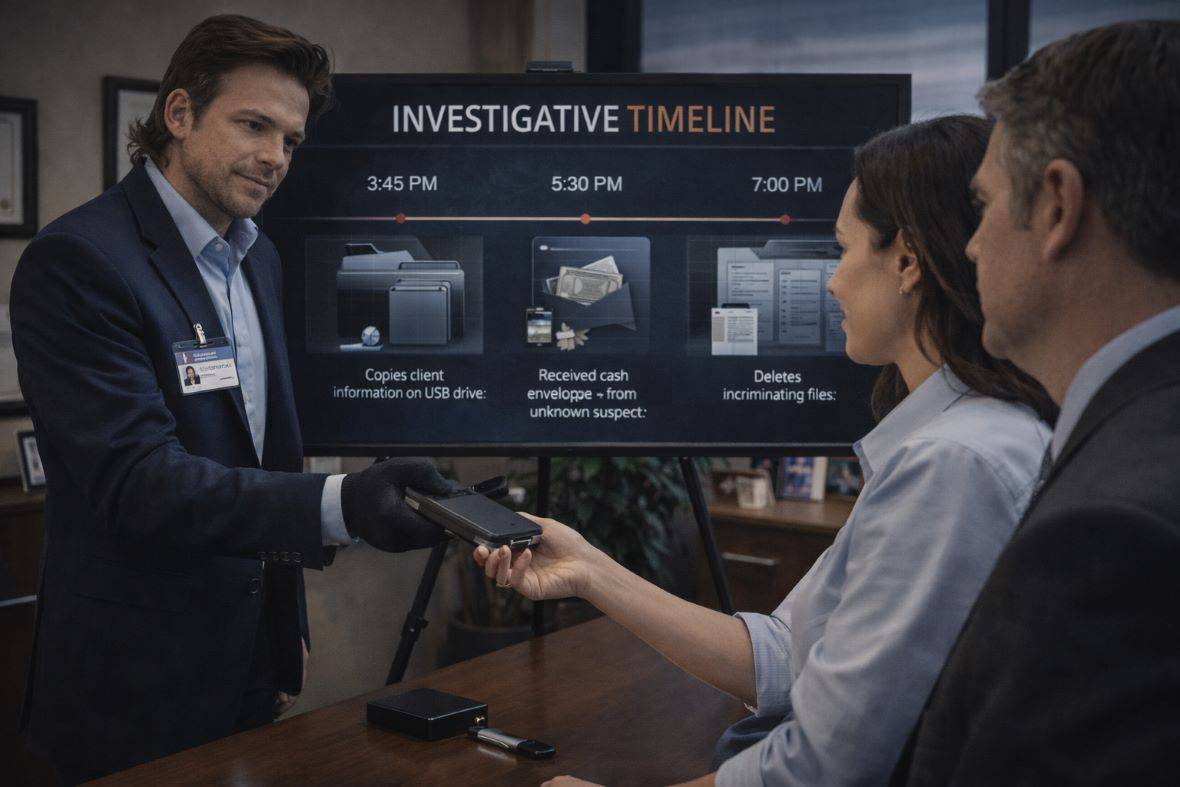
This shift means you’ve had to become a student of digital patterns rather than just a watcher of shadows. Taking a photo of a subject entering a building is helpful, but it doesn’t prove nearly as much as it used to. Today, you need to show the intent, the communication, and the financial trail that led them to that door. The courts have also raised the bar for what they consider “good” evidence. They want to see a transparent chain of custody for digital files, and they expect you to know how to prove that AI hasn’t altered a record.
If you’re still relying solely on old surveillance methods, you’re likely missing half the story. The modern investigator lives in the world of metadata and geolocation tags. You aren’t just looking for where a person is; you’re looking for where they were and where they plan to be. This requires a new kind of patience that doesn’t involve cold coffee in a cramped van. It requires hours of deep research and the ability to connect dots that are invisible to the naked eye.
Why Old Ways Don’t Work Like They Used To
Imagine how a detective worked ten years ago. They looked for paper receipts in the trash or followed people to the bank. Today, people use digital wallets and store their records in encrypted apps. Paper trails are almost gone (unless you’re dealing with particular types of corporate fraud). Everything is faster and more hidden than it used to be.
Ten years ago, a photo was a “smoking gun” that ended a case. Now, people can claim a photo was faked or edited. You have to back up your physical evidence with data that proves the time and place beyond any doubt. The transition from physical reality to a data-driven one has changed the very nature of your daily tasks. You aren’t just a witness anymore; you’re a data analyst who happens to know how to drive a car well.
The Big Lesson About Online Privacy
A significant lesson learned this year is that “private” doesn’t mean “invisible.” People have become much better at hiding their public profiles, but they’ve become lazier about their background data. You may have found that while a subject’s social media is locked down, their fitness tracker or gaming console is broadcasting their location to anyone who knows how to look.
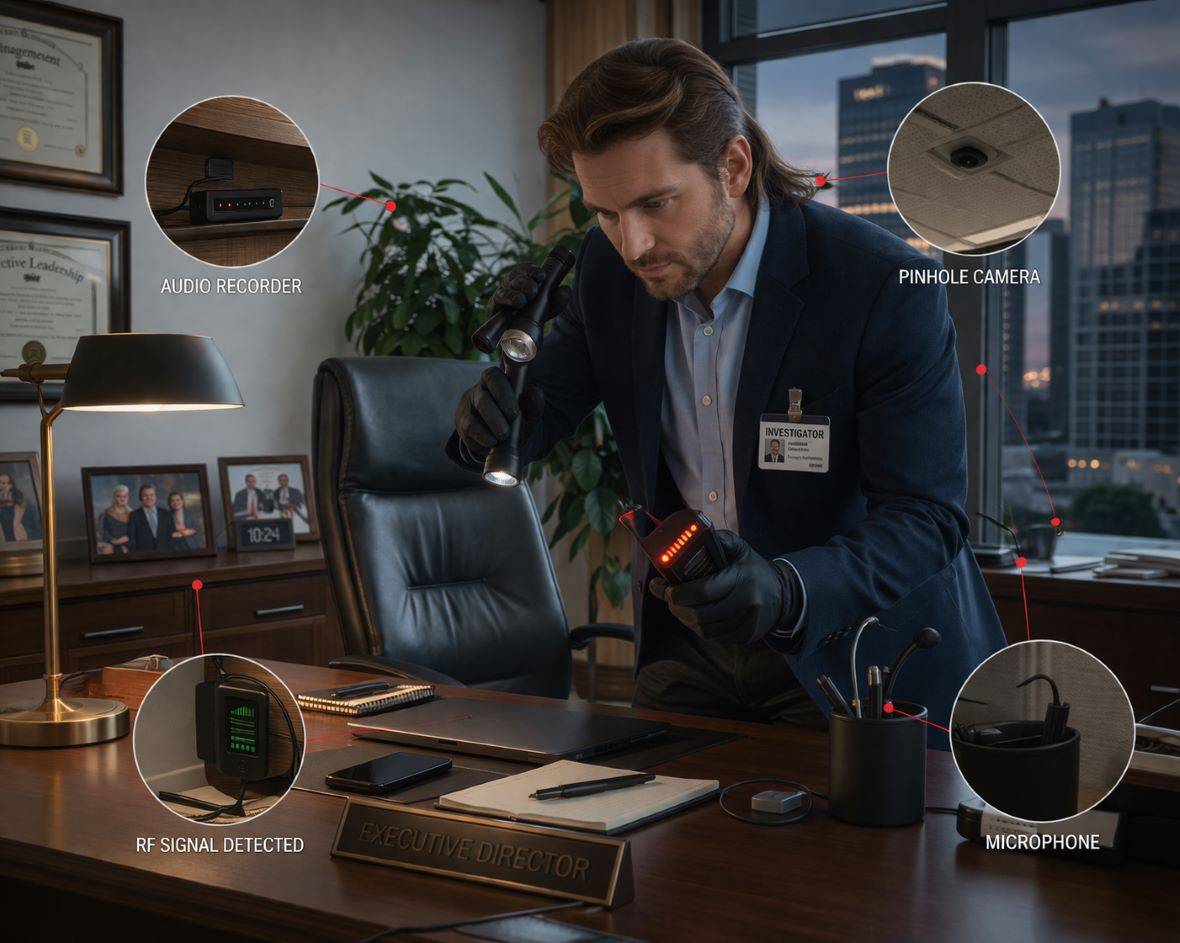
Being sneaky is harder for subjects because they own too many devices. Every “smart” thing in a home is a potential witness. You’ve likely discovered that the more a person tries to hide, the more noise they make in the system. New software helps you sort through this noise, but it also requires you to be much faster than you were a few years ago. If you don’t catch the data quickly, it gets overwritten or deleted.
Rebuilding Strong Communication Skills
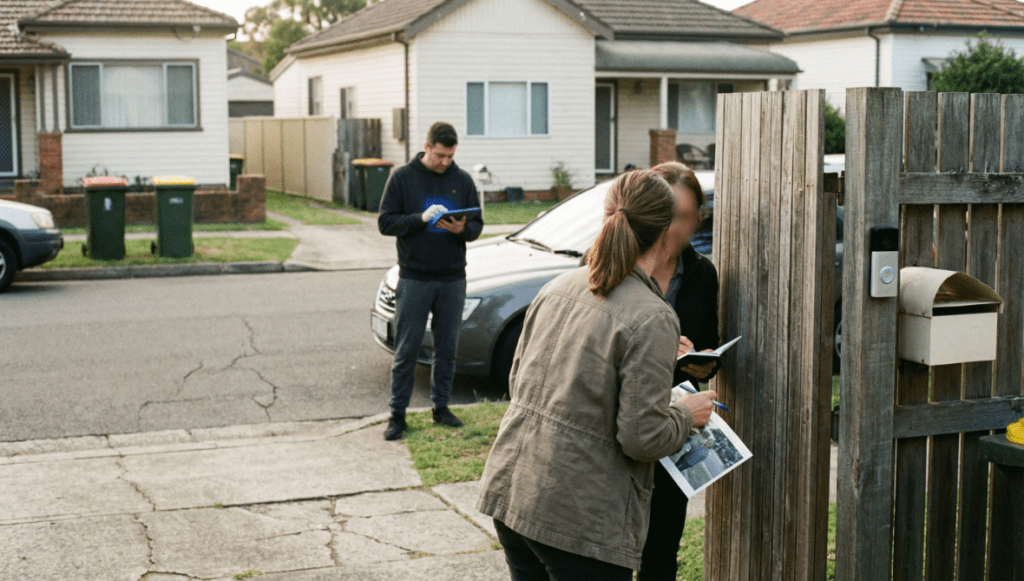
Even with all the new gadgets and software, the human element remains your most powerful asset. You can have the best GPS tracker in the world, but it won’t tell you a person’s motives. In 2025, private investigation has returned to its roots in one vital way: you have to be a master of conversation. People are the ones who hold the context that data misses. You’ve likely found that a five-minute talk with a neighbour provides more clarity than five hours of looking at a computer screen.
The challenge is that people are more guarded than ever. They’ve been told for years not to talk to strangers and to be wary of everyone. To be successful, you’ve had to refine your ability to build rapport in seconds. This is not about interrogation; it’s about building connection. You seek the truth, and most people will only share it if they feel you are someone they can trust or relate to.
This year has shown that while technology identifies the “what,” humans identify the “why.” If you can’t get a witness to open up, your case might remain a pile of cold facts without a soul. You’ve had to learn how to change your tone, your clothes, and your approach based on who is standing on the other side of the door. It’s a performance, sure, but it’s a performance based on genuine psychological insight.
Building Trust In A Generation Of Fake News
People don’t trust the news, they don’t trust the government, and they certainly don’t trust a stranger asking questions. You’ve had to adjust your approach to account for this universal scepticism. Using an active voice when you speak helps convey honesty and directness. Instead of saying “information is being sought,” you say “I am looking for the truth.”
Honesty is actually your best tool for building trust. When you’re clear about who you are (within legal limits) and why you’re there, people often relax. They’re tired of being lied to by robots and scammers. A real human being with a clear purpose is a breath of fresh air. You’ve learned that you don’t need a fancy suit or a badge to get answers; you need to be someone people feel they can talk to without being judged.
How To Spot A Lie Without Using A Machine
Movies love to show polygraph machines and high-tech scanners, but you know better. You’ve spent 2025 watching how people react when they’re under pressure. You look for the small things: a change in breathing, a foot tapping, or a person suddenly using formal language when they were just being casual. These cues are more reliable than any machine because they are natural biological responses.
You’ve learned that a lie usually sounds too perfect. Real stories have gaps and messy details. When a witness gives you a story that sounds like a movie script, your internal alarm goes off. Spotting a lie is about noticing the contrast between what a person says and what their body does. It’s a skill that only comes with years of watching people in their most uncomfortable moments.
Staying Honest While Finding The Truth
Ethics in private investigation became a massive topic in 1025. With so much data available, it’s easy to cross a line without realising it. New laws have tightened the rules on what private investigators can and cannot do with personal data. You’ve had to stay on top of these changes to ensure your evidence holds up in court. If you get the truth but you get it the wrong way, that truth is worthless to your client.
Being a modern investigator means being a legal expert. You have to know the privacy laws for every town and state where you work. This year has been a constant lesson in restraint. Just because you can find something out doesn’t mean you should or that it’s legal. Maintaining your reputation for being an honest player is more important than winning any single case.
The industry is moving toward a model of total transparency with clients. You don’t just give them the final report; you explain the steps you took to get there. This ensures your protection and establishes the client’s legitimacy. It fosters a professional relationship that extends beyond a one-time “spy” job. You are now an experienced consultant, not just a person in a trench coat.
Knowing When To Stop Digging
One of the hardest things for any curious person is knowing when to stop. This year likely taught you that boundaries are your best friend. There’s a point where investigation turns into harassment, and a professional knows where that line sits. Respecting privacy isn’t just a legal requirement; it’s a moral one.
Sometimes, the most significant discovery is realising that there’s no story to find. It’s easy to get “tunnel vision” and try to force a conclusion that isn’t there. You’ve learned to accept the facts as they are, even if they’re boring. An honest investigator provides the truth, even if it’s the truth the client didn’t want to hear. That’s the hallmark of a true professional in this field.
The Future Of Finding Facts
The biggest lesson from 2025 is that technology changes, but human nature does not. You can have the most advanced tools in the world, but if you don’t understand people, you’ll never be a great investigator. The world is getting noisier and more confusing every day. People are desperate for the truth, but they struggle to find it on their own.
Curious and honest people are more valuable now than they’ve ever. You provide a service that machines can’t replicate: the ability to judge a situation with empathy and logic. As you move into the following year, remember that your integrity is your strongest tool. If you keep your skills sharp and your ethics even sharper, you’ll always be in demand. The facts are out there, and someone needs to find them. Why shouldn’t it be you? Keep looking, keep learning, and keep asking the hard questions that no one else wants to answer. The truth is still the most valuable thing you can find.
Frequently Asked Questions
How do private investigators ensure the integrity of digital evidence in light of evolving court standards?
Private investigators follow strict legal and documentation standards when collecting digital evidence. They capture information from lawful sources, preserve metadata, maintain the chain of custody, and record how and when the evidence was obtained to ensure it is court-admissible.
In what ways can investigators effectively engage with subjects who are increasingly guarded and reluctant to share information?
Investigators rely on calm communication, professionalism, and careful questioning rather than pressure. When direct cooperation is limited, they verify facts through timelines, witnesses, and lawful public data to build an accurate picture without confrontation.

Written by the Triumph Australia investigations team. We work for insurers, claims managers, employers and law firms on surveillance, fraud and due diligence matters Australia-wide.
GORA Investigations Pty Ltd, NSW Master Licence 412080174.