Last updated:
Imagine being deprived of your liberty for a year and a half due to a simple administrative typo. It sounds like the plot of a dystopian novel, but for some individuals in Australia, this is a documented reality. When government systems fail, or when “reasonable suspicion” is based on flawed data, the consequences are life-altering. You might find yourself caught in a bureaucratic nightmare where your status is questioned, and your freedom is taken away without a valid legal basis.
Recent reports from the Commonwealth Ombudsman highlight a concerning trend. Between July 2023 and June 2024, multiple cases of wrongful detention occurred, including the arrest of an Australian citizen. While the Department of Home Affairs argues these actions are often lawful at the time they occur, the human cost is undeniable. If you or someone you know is facing the complexities of a status dispute or a “wrongful” legal situation, understanding how these errors occur is the first step toward resolving the issue.
The Hidden Mechanics of Wrongful Detention

Wrongful detention often stems from a lack of personal responsibility in decision-making. Officers sometimes rely on historical data or prior decisions without fresh scrutiny. This creates a culture of “act first, check later,” where the focus shifts from verifying facts to simply processing files. In many instances, the Department already possessed the information needed to prevent the detention, but it wasn’t accessed or analysed correctly.
Common themes identified in recent reviews include:
- Communication Breakdowns: Critical tribunal decisions or ministerial updates are not promptly shared with the relevant departments.
- Legal Complexities: The migration regime is a dense thicket of changing policies and litigation. Decision-makers often misinterpret or misapply the law.
- Deficient Notification: People are sometimes detained because they weren’t adequately informed of a visa cancellation, depriving them of their right to respond.
- Systemic Errors: Simple data entry mistakes, such as forgetting to include a visa expiration date, can lead to someone being flagged as “unlawful” when they are actually a valid resident or citizen.
When Systems Fail the Individual
The case of “Mx C” provides a stark example of how deeply these errors can run. Despite being an Australian citizen by birth and having resided here for most of their first 10 years, Mx C was detained. They even emailed a birth certificate to the authorities, yet multiple officers failed to consider this evidence. It took a post-detention review and an urgent helpdesk request to secure their release after several days of unnecessary imprisonment.
This isn’t an isolated incident. Statistics show that the median duration of wrongful detention has increased. While some are released within hours, others wait months. The emotional and physical toll of this experience cannot be understated. It often leads to the re-traumatisation of vulnerable individuals, including those with existing mental health issues or histories of trauma.
The Power of an Independent Private Investigator

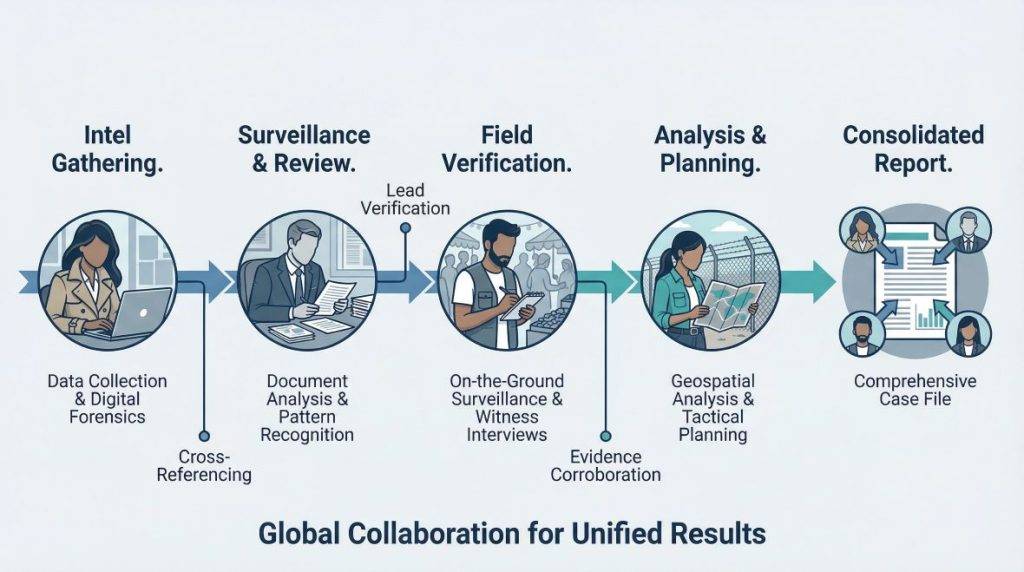
When you’re up against a massive government department, it can feel like your voice is drowned out by red tape. This is where a Private Investigator becomes an essential ally. Unlike departmental officers who may be rushing through a high-tempo environment, an independent investigator has the time and the mandate to look at the granular details of your case.
A professional investigator brings a level of scrutiny that internal reviews sometimes lack. They don’t just accept a “flag” in a system as truth. Instead, they dig into the source material. By utilising professional forensic investigation services, an investigator can recover “lost” emails, verify movement records, and reconstruct timelines that prove your legal status.
Their role involves:
- Fact-Checking Suspicion: They evaluate whether the “reasonable suspicion” used to detain you was actually based on discoverable and accurate facts.
- Bridging Communication Gaps: They can track down missing ministerial decisions or tribunal outcomes that have been stuck in administrative limbo.
- Cross-Border Verification: If your status depends on childhood residency or international travel dates, they can conduct the necessary deep dives into old records that many officers overlook.
Barriers to Justice and Seeking Redress
If you have been wrongfully detained, you have a right to an effective remedy under international law. However, the path to justice is rarely straightforward. Many people are simply grateful to be released and never seek compensation. Others face significant barriers, such as the high cost of civil litigation, limited English proficiency, or a general mistrust of the legal system.
The Department often fails to provide clear, written information about your rights upon release. You might receive a verbal apology, but that doesn’t help you navigate the Compensation for Detriment due to Defective Administration (CDDA) Scheme. A detailed investigation report from a private professional can serve as vital evidence if you choose to pursue a claim, providing a straightforward narrative of the errors that led to your loss of liberty.
Navigating Complex Status Disputes
Whether it is a workplace incident or a migration status error, the underlying issue is often the same: a failure to follow established procedures. When tackling strategies for corporate misconduct investigations, for example, the goal is always to find the objective truth. The same logic applies to fighting a wrongful detention. You need a partner who understands the “rules of the game” and knows where the system’s vulnerabilities lie.
A private expert can help you gather the “puzzle pieces” of your identity or visa history. They use specialised tools to verify data and can provide an unbiased, third-party perspective that carries weight in legal discussions. This objective lens is often what is needed to break through the “institutionalised mindset” that causes many of these administrative errors.
Taking Control of Your Story
Wrongful detention is more than an administrative hiccup; it is a profound violation of personal freedom. The data shows that the same types of errors have occurred since 2005, suggesting that relying solely on internal reform might not be enough to protect your rights. You must be your own advocate, but you don’t have to do it alone.
By engaging a professional Private Investigator, you ensure that every stone is unturned and every error is documented. Whether you are dealing with a complex citizenship issue or a visa notification failure, having an expert on your side changes the dynamic. You move from being a “file number” to a human being with a provable, factual case. If you find yourself in a situation where your freedom is at stake, remember that the truth is often hidden in the details that the system missed. Reach out to an expert who can help you uncover those details and right the wrongs of a flawed system. Be proactive in your pursuit of justice and don’t let a clerical error define your future.

Written by the Triumph Australia investigations team. We work for insurers, claims managers, employers and law firms on surveillance, fraud and due diligence matters Australia-wide.
GORA Investigations Pty Ltd, NSW Master Licence 412080174.