Last updated:
What You Should Expect

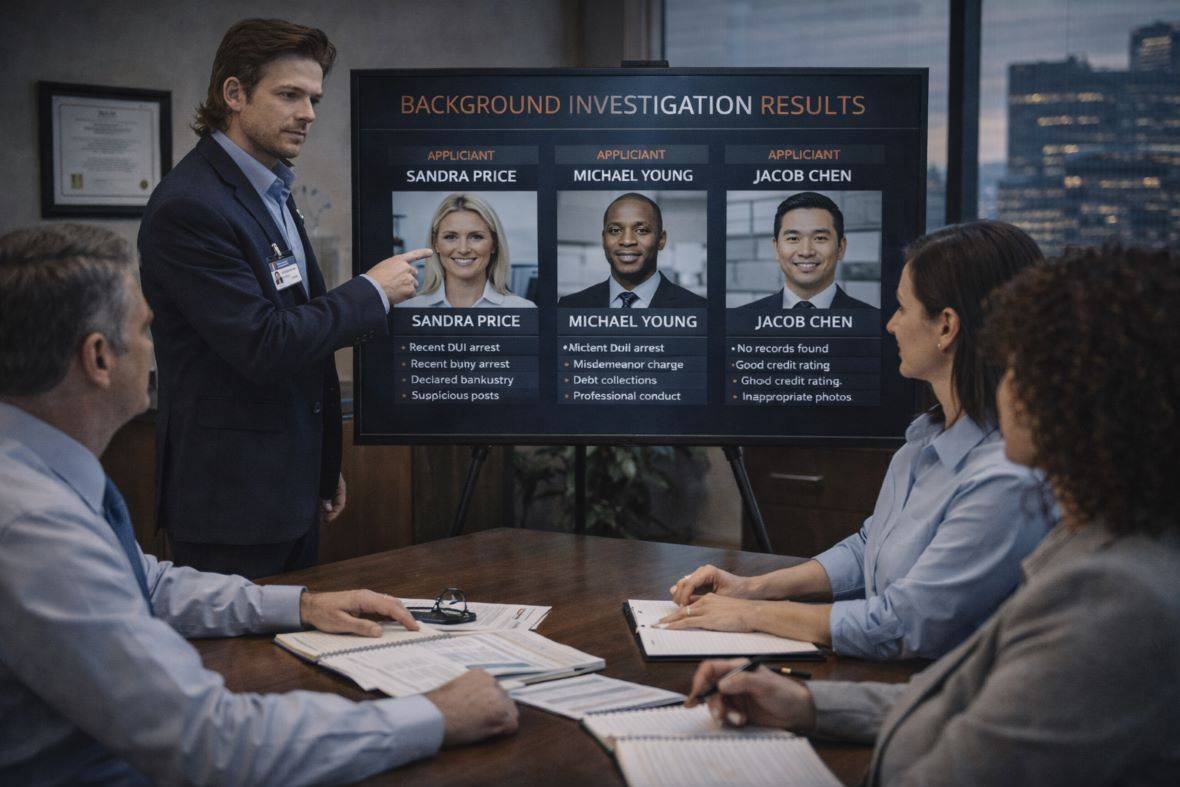
A workplace investigation provides a structured, defensible way to uncover what actually happened by gathering and preserving evidence, interviewing the right people in the correct order, and documenting each step so the findings stand up to scrutiny. This process is essential when dealing with serious matters such as theft, harassment, time fraud, safety breaches, and conflicts of interest, as it helps an organisation respond fairly and lawfully, protect staff and assets, reduce legal and reputational risk, and make confident decisions based on verified facts rather than assumptions.
When the sensitivity of the issue warrants extra caution, enlisting the help of private investigators in Australia for a workplace investigation can be a prudent choice. External investigators bring a level of objectivity that internal staff may struggle to maintain, thus safeguarding neutrality in the process.
Additionally, their involvement helps minimise the risk of workplace gossip, as the investigation is conducted in a more controlled and discreet manner. This not only fosters a safer environment but also reinforces the importance of addressing workplace concerns with due diligence.
If you’ve ever thought about hiring a PI for a relationship matter, you already understand the core skill set: quiet fact-finding and unmistakable evidence. In workplaces, the goal changes. It’s not about catching someone out for personal reasons; it’s about fairness, policy, and a decision the business can stand behind.
What a workplace investigation looks like when a private investigator runs it
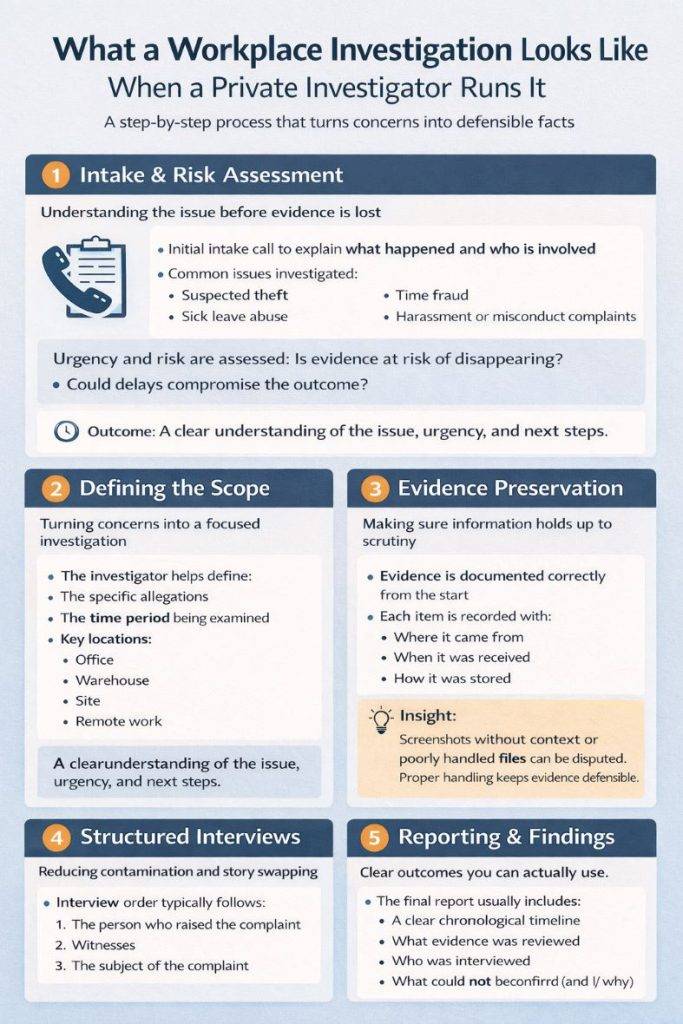
When you hire a private investigator for a workplace investigation, you’re not paying for drama; you’re paying for a straightforward, step-by-step process that converts concerns into verified facts and provides a report you can actually use.
Here’s what the process usually looks like, from start to finish:
First step of the workplace investigation
You will have an intake call to explain what happened, who is involved, and what information you need. This may include issues such as suspected theft, sick leave abuse, time fraud, or assessing whether a harassment complaint aligns with witness accounts and records. During this call, you will also discuss the urgency of the situation and potential risks, such as the risk that evidence will disappear if you wait too long.
Second step of the workplace investigation
The investigator helps you set the scope. That means clearly defining:
- The specific allegations
- The time period being examined
- Key locations (site, warehouse, office, or remote work)
- What counts as “proof” for this matter
Being precise here is essential. A vague scope usually leads to vague outcomes.
Third step of the workplace investigation
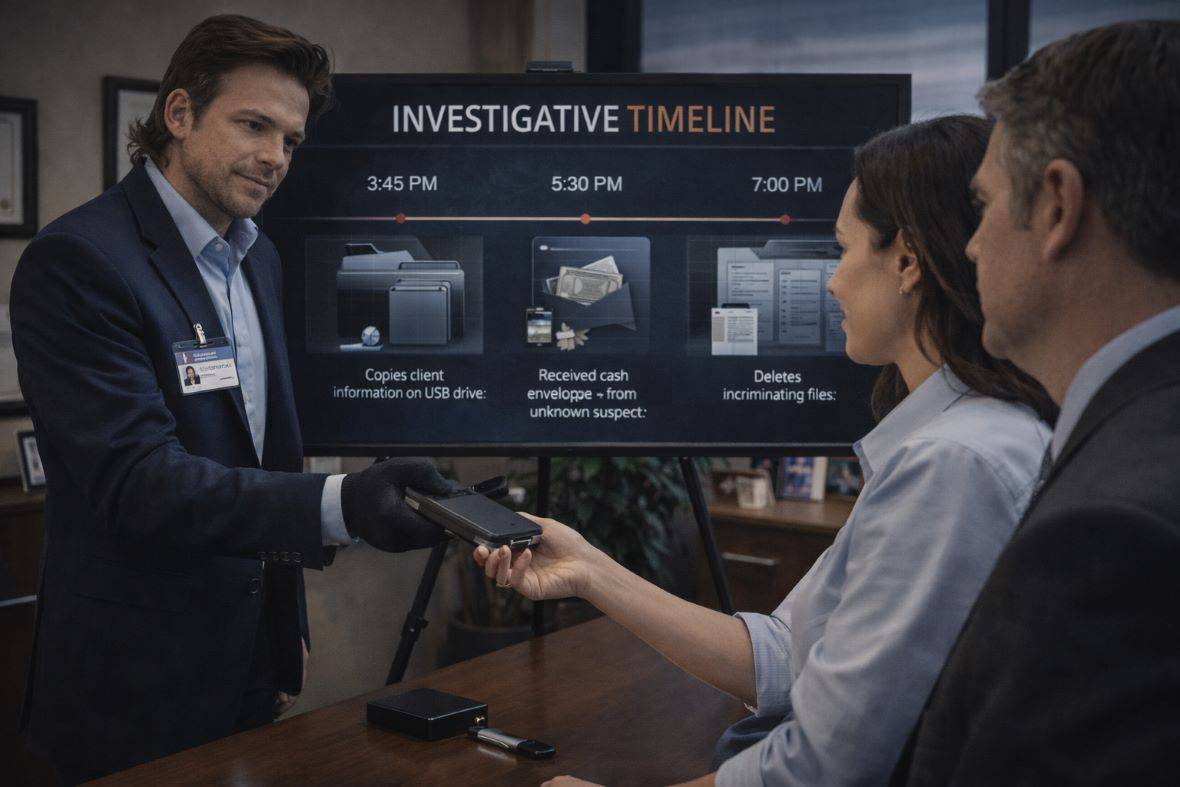
Evidence is preserved and recorded correctly. This step is often overlooked. Screenshots without context can be challenged, and files can be altered. A PI will usually document where each item came from, when it was received, and how it was stored so it remains defensible.
Fourth step of the workplace investigation
Interviews are conducted in a structured order. Typically, the investigator speaks to:
- The person who raised the complaint
- Witnesses
- The subject of the complaint
This reduces “story swapping” and helps keep accounts independent. Notes are taken carefully, and in some cases (depending on consent and the situation), signed statements may be used.
Last step of the workplace investigation
Finally, you receive a written report. It usually includes:
- A clear timeline
- What was reviewed
- Who was interviewed
What was confirmed - What couldn’t be confirmed (and why)
If the issue involves theft, time fraud, or policy breaches, the report may also include supporting exhibits, such as CCTV timestamps, log extracts, receipts, or screenshots, captured and stored in a defensible manner.
Common cases private investigators handle at work (and what proof holds up)
Workplace investigations often start with a hunch, but a hunch isn’t enough. What matters is whether you can show a pattern and tie it to records.
Common matters include:
- Theft or stock shrinkage: inventory reports, CCTV review, point-of-sale data, delivery dockets, and access logs tend to matter most.
- Time fraud and false timesheets: roster comparisons, clock-in data, employer-owned vehicle GPS records, and job records can support or contradict claims.
- Harassment or bullying complaints: emails, chat logs, meeting invites, witness accounts, and a consistent timeline are key.
- Policy breaches (drugs and alcohol, safety shortcuts, misuse of company property): incident reports, photos, training records, and witness statements often carry weight.
- Conflicts of interest (side deals, supplier kickbacks): purchasing records, vendor links, approval trails, and expense claims can show improper benefit.
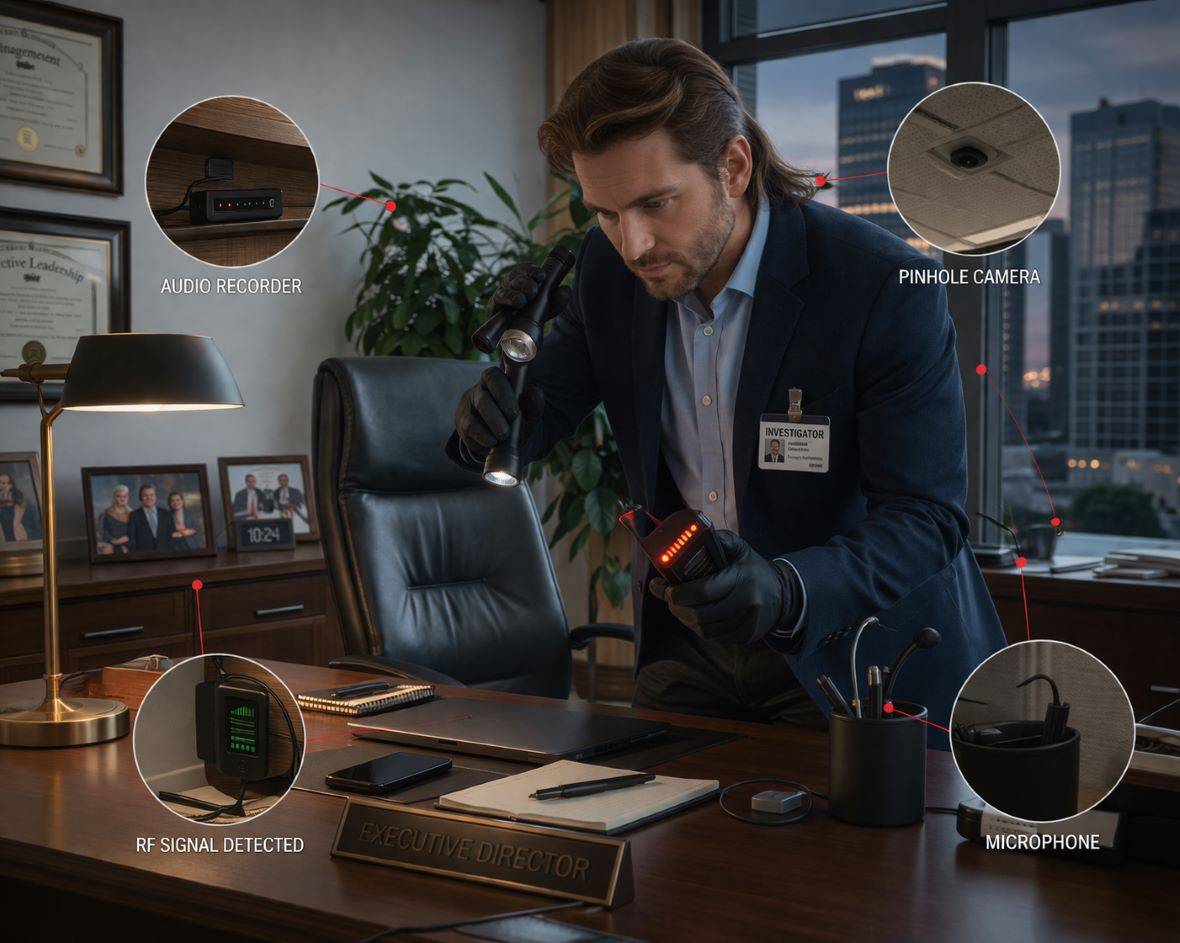
Surveillance may be considered in a workplace investigation when other options can’t confirm what’s happening, for example, repeated sick leave abuse paired with outside work. It can also be off-limits in some situations, like covert recording or unlawful tracking. The method needs to fit the law and the workplace setting.
Rules, privacy, and fairness in Australia: what you can and can’t do
A workplace investigation is only helpful if it’s lawful and fair. In Australia, privacy expectations and surveillance rules can vary by state, and workplaces also have their own policies. That means the same idea (like monitoring a device) can be acceptable in one setting and risky in another.
You should expect investigators to avoid anything that appears to be hacking, unlawful tracking, or unauthorised access to private accounts. Even if you “can” get information, collecting it the wrong way can damage the outcome and create new problems, including complaints to regulators or challenges in a workplace claim.
Fairness also matters. At a high level, procedural fairness means the person accused has a chance to respond, the investigator remains neutral, and the process is documented with clear notes. You don’t have to run the process like a courtroom, but you do need a method you can explain later.
For sensitive matters, you’ll often involve HR or legal advisers to guide the employment side. The investigator’s role is to focus on facts and evidence, not to decide discipline.
Privacy, surveillance, and recording: avoiding evidence that backfires
Here are practical dos and don’ts that protect you:
Do use employer-owned records where you have authority, like access logs, company email archives (with proper approvals), and CCTV already in place.
Don’t use covert audio recording just because it feels convenient. Consent rules can apply, and the result can be unusable.
Don’t place a GPS tracker on a private vehicle or follow someone into private spaces.
Don’t access a worker’s private social media account by guessing passwords or using someone else’s login.
If surveillance is to be considered during a workplace investigation, it must be carefully planned and conducted in accordance with the rules. A good starting point is to understand what professional surveillance work entails, including its limitations and documentation, through Surveillance.
Confidentiality and protecting people during an investigation
Confidentiality is more than being polite. It protects the business, the complainant, and even the person accused. You should expect a need-to-know approach, meaning only essential people get updates.
A good investigator will also control how interviews are arranged, so staff aren’t pulled into public meeting rooms or questioned in ways that invite gossip. Reports should be stored securely, shared carefully, and not forwarded widely “just in case.”
If you’re worried about retaliation, you can ask for practical safeguards, such as separate interview times, minimal notice to uninvolved staff, and clear instructions from management on non-retaliation.
Final Thoughts for Workplace Investigation
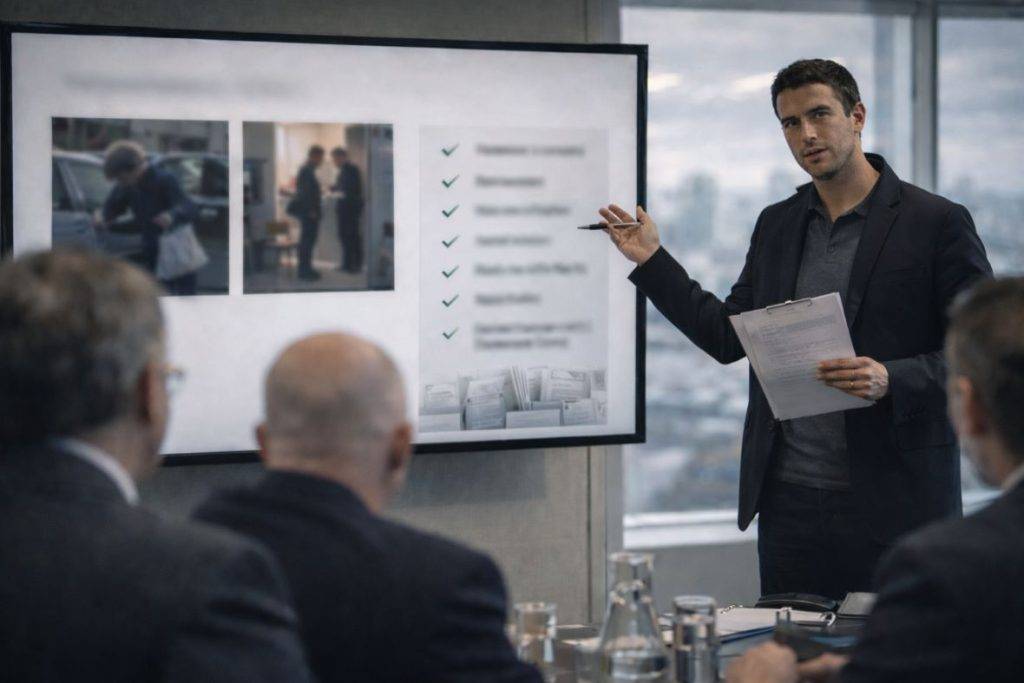
When workplace challenges begin to feel personal, it’s beneficial to involve someone who remains calm and focused on the facts. Engaging a Private Investigator in Australia can offer a neutral perspective, thorough documentation, and the discretion necessary to navigate emotional or political hurdles. Their processes prioritise privacy and fairness while avoiding shortcuts.
Taking your next steps is easy! Start by defining the issue and gathering essential documents, such as policies, rosters, logs, and messages. Then, connect with a licensed investigator to outline a lawful scope for your workplace investigation. The sooner you organise these details, the faster you can turn uncertainty into actionable insights, fostering a positive and productive work environment!.

Written by the Triumph Australia investigations team. We work for insurers, claims managers, employers and law firms on surveillance, fraud and due diligence matters Australia-wide.
GORA Investigations Pty Ltd, NSW Master Licence 412080174.