Last updated:
If you’ve ever scrolled through a social media feed and seen a luxury watch or a designer handbag for half the price, you’ve likely encountered the front lines of a modern epidemic. In the past, buying a “knockoff” meant visiting a shady street corner or a physical flea market. Today, the landscape has shifted entirely. Counterfeiting Crime has migrated into the digital space, hiding behind polished websites and verified social media profiles.
This shift leaves many consumers asking, “Can counterfeit goods really be sold on legitimate websites?” Unfortunately, the answer is yes. Criminals have adapted quickly, making it harder for brands to protect their reputation and for buyers to know whether what they’re purchasing is genuine. As online counterfeiting becomes harder to spot and easier to scale, private investigators have emerged as the primary line of defence in uncovering who is behind these operations and how they work.
How Private Investigators Track Online Counterfeit Networks
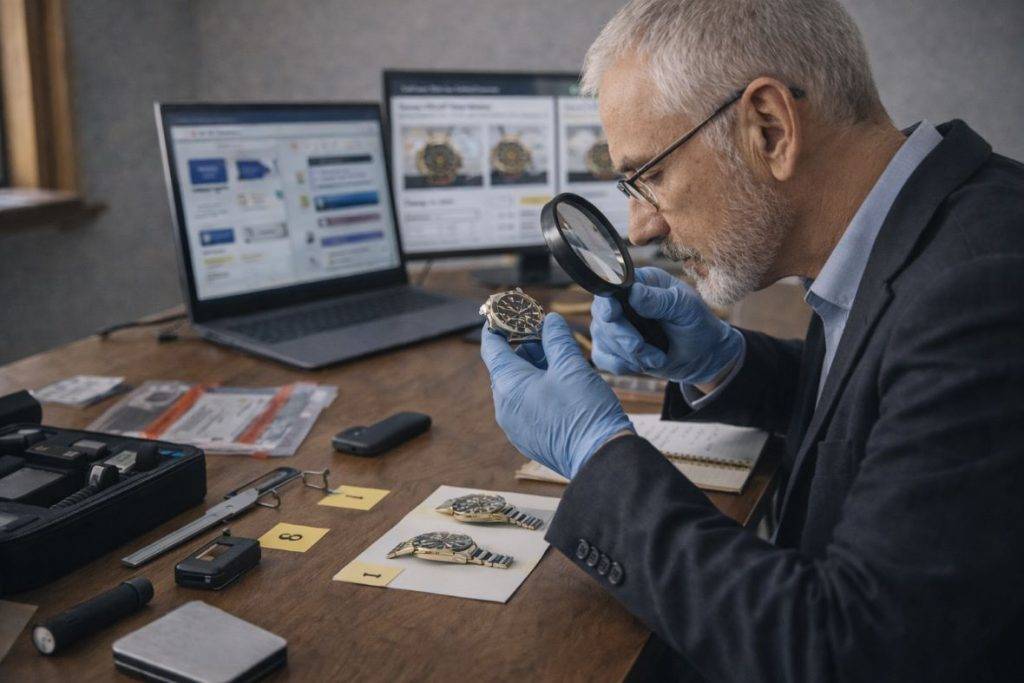
One reason online counterfeiting is so widespread is the anonymity the internet provides. Setting up a fake storefront can take minutes, leading many business owners to ask, “Why is online counterfeiting so hard to stop?” Once a site is flagged or taken down, sellers often reappear under a new domain, new username, or new marketplace listing.
Private investigators step in to fill this gap by using specialised techniques to peel back the layers of digital secrecy. They don’t just look at the website itself; they dig into server locations, domain registration history, and linked payment processors.
Detecting these networks often requires entering the darker corners of the web. Many large-scale operations advertise their illegal goods on hidden forums or through encrypted messaging apps. Investigators spend hours monitoring dark web activity to see where the bulk shipments of fakes are originating. By analysing digital footprints, they can connect a dozen seemingly unrelated websites back to a single criminal organisation. This high-level view is essential because stopping one small seller rarely solves the problem. You have to find the source of the river to stop the flow of fake goods.
Large-scale counterfeiting operations rarely exist in isolation. Many advertise on encrypted forums or hidden marketplaces, prompting investigators to explore whether “counterfeit goods are sold on the dark web.” By monitoring these environments, investigators can connect multiple fake storefronts back to a single organisation. This broader view is essential because shutting down one seller rarely stops the flow of fake goods. To disrupt counterfeiting crime, you have to identify the source, not just the symptom.
Monitoring Social Media and Global Marketplaces
Social media has become one of the most effective tools for counterfeit sellers, leading many people to ask, “How do counterfeit sellers use Instagram or Facebook?” Often, listings are disguised as harmless posts, with hidden links or private messages directing buyers to unauthorised stores.
Private investigators counter this by using undercover accounts to observe how sellers operate in private groups and closed communities. By interacting directly with sellers, investigators can answer questions like “Can fake products be sold through private social media groups?” and “Do verified profiles really guarantee authenticity?” The reality is that verification badges can be manipulated, purchased, or falsely presented.
By carefully documenting conversations, transactions, and payment methods, investigators gather evidence that shows counterfeit sales are not accidental but a deliberate business model. This level of insight allows brands to understand how criminals exploit trust and visibility across global marketplaces.
Collecting Legal Evidence to Stop Counterfeiting Crime
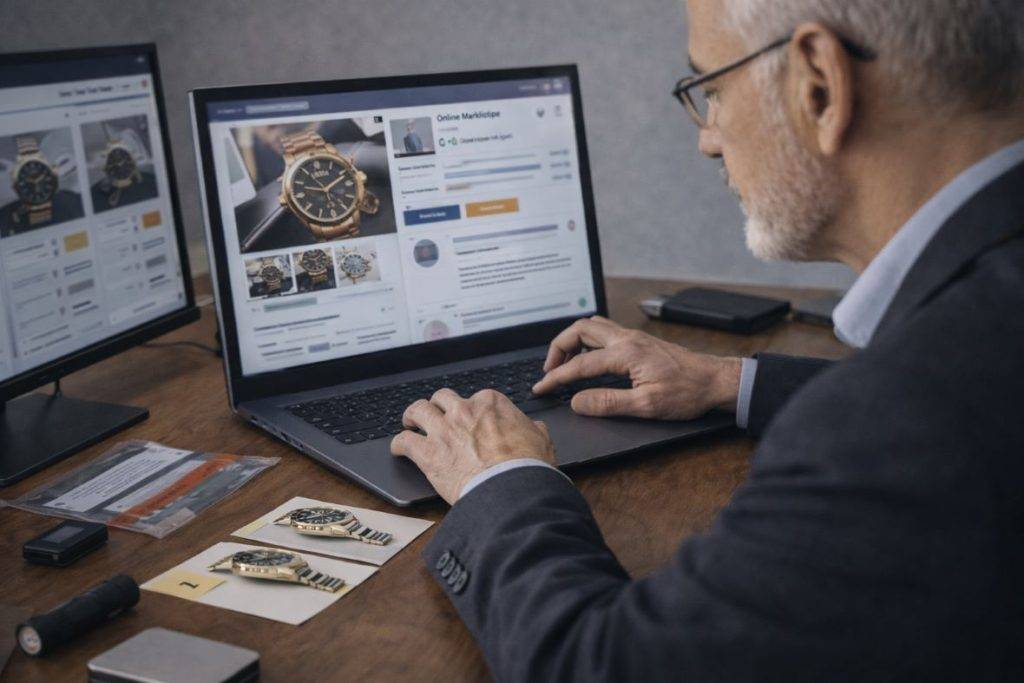
Tracking a digital trail is only the first half of the battle. To actually stop the crime, you need evidence that holds up in a court of law. This is where private investigators’ work moves from the screen to the physical world. A key part of the process is the “test purchase.” An investigator will buy a suspected fake item, just like a regular customer would. Once the package arrives, they don’t just look at it; they document the entire unboxing process, the packaging materials, and the shipping labels.
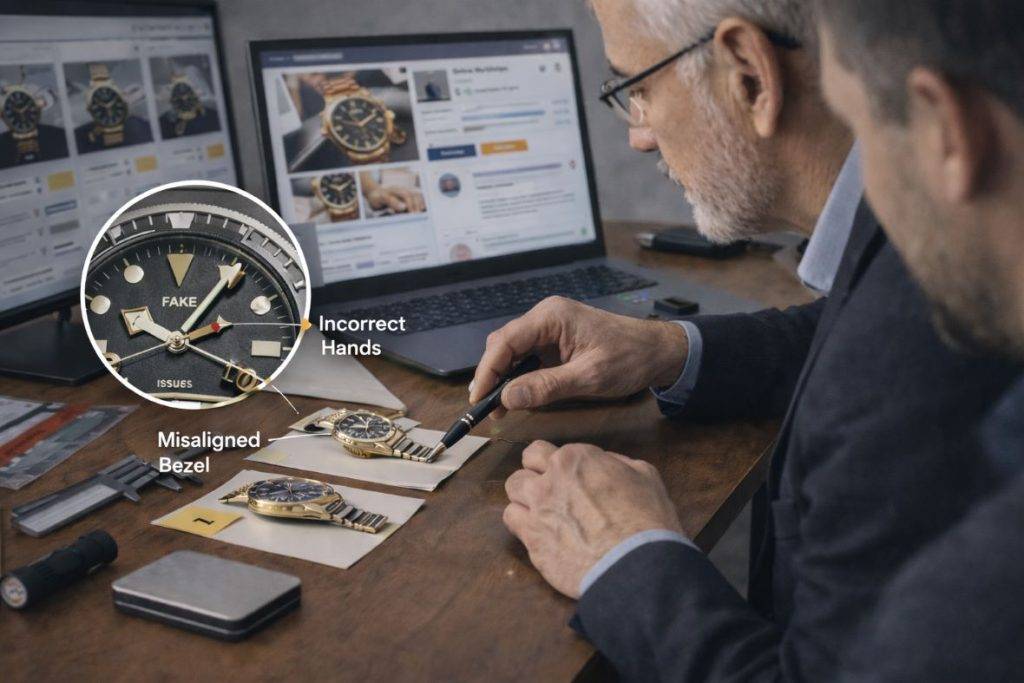
Verifying the authenticity of a product requires a keen eye and often technical help from the brand itself. The investigator checks for missing security features, poor stitching, or incorrect serial numbers. Once they confirm the item is a fake, they must maintain a strict chain of custody. This means that every person who touches the evidence is recorded, ensuring the defence latercan’t argue that the item was tampered with. This level of professional workplace misconduct investigations and detail is what makes an investigator’s report so valuable for legal teams.
Without this documentation, a brand has no power to file for a preliminary injunction or a lawsuit. The goal is to create a packet of evidence so undeniable that the criminal has no choice but to shut down. This might include screenshots of the initial listing, records of the undercover chat, and the physical item itself. By bridging the gap between digital shadows and physical proof, investigators provide the tools needed to dismantle these networks for good.
Collaborating with Local Authorities
While private investigators can identify counterfeit networks, they don’t have the authority to conduct raids or seize goods. That’s why businesses often ask, “Do private investigators work with police on counterfeiting cases?” The answer is yes.
Investigators prepare detailed reports that law enforcement can use to secure warrants and coordinate raids. These cases often lead to the discovery of warehouses holding counterfeit electronics, car parts, or even dangerous fake medications. By connecting digital storefronts to physical locations, investigators turn online deception into real-world accountability.
Counterfeiting Crime Solutions
Protecting a brand from Counterfeiting Crime requires constant vigilance and a professional touch. As criminals find new ways to hide behind screens, private investigators remain the most effective tool for uncovering the truth. They act as a shield for businesses, ensuring that your hard work and reputation aren’t stolen by someone seeking a quick profit. Whether it involves guarding against modern cyber threats or conducting undercover purchases, their expertise is unmatched. By turning digital data into physical evidence, these professionals ensure that the law can reach even the most hidden corners of the internet. If you want to keep your business safe, don’t leave things to chance. Professional oversight is the only way to stay ahead in the digital age.
Common Questions About Investigating Fake Items
Why use private investigators instead of just calling the police?
Police departments have to prioritise violent crimes and immediate threats to public safety. They often lack the specialised software and the time to track complex online networks across different countries. Private investigators can focus 100% of their time on your specific case. They have specialised training and digital tools to uncover hidden connections that a standard police officer might miss.
Is counterfeiting limited to luxury fashion items?
Not at all. While bags and watches are famous, the problem is much broader. Criminals trade in counterfeit car parts, which can lead to accidents, and fake medications, which can be deadly. Electronics, such as counterfeit phone chargers that can catch fire, are also a vast market. Any brand with high perceived value is at risk.
Can online sellers be caught if they are operating overseas?
Yes, though it’s more complex. Private investigators use international networks and track digital payments to find the real people behind “offshore” accounts. By working with international logistics partners and foreign agencies, it’s possible to block shipments at the border or seize funds from payment processors. Distance no longer offers the protection it once did.

Written by the Triumph Australia investigations team. We work for insurers, claims managers, employers and law firms on surveillance, fraud and due diligence matters Australia-wide.
GORA Investigations Pty Ltd, NSW Master Licence 412080174.