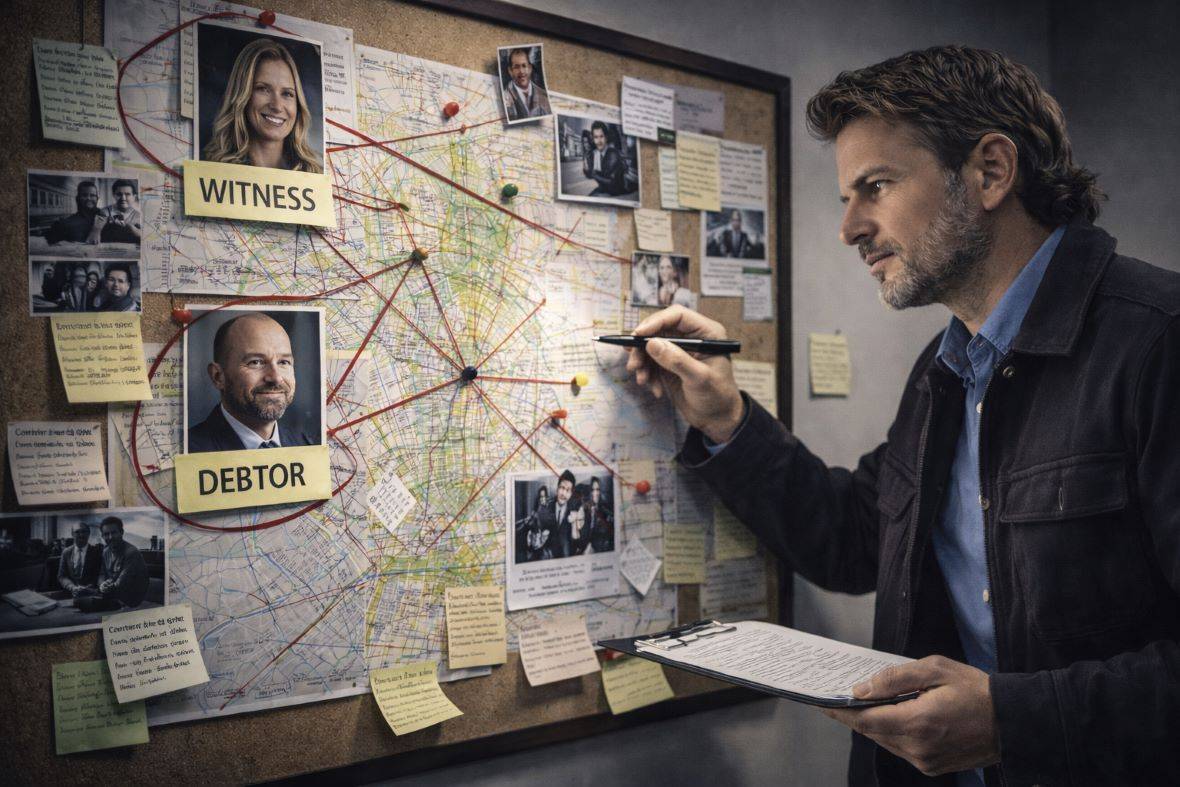
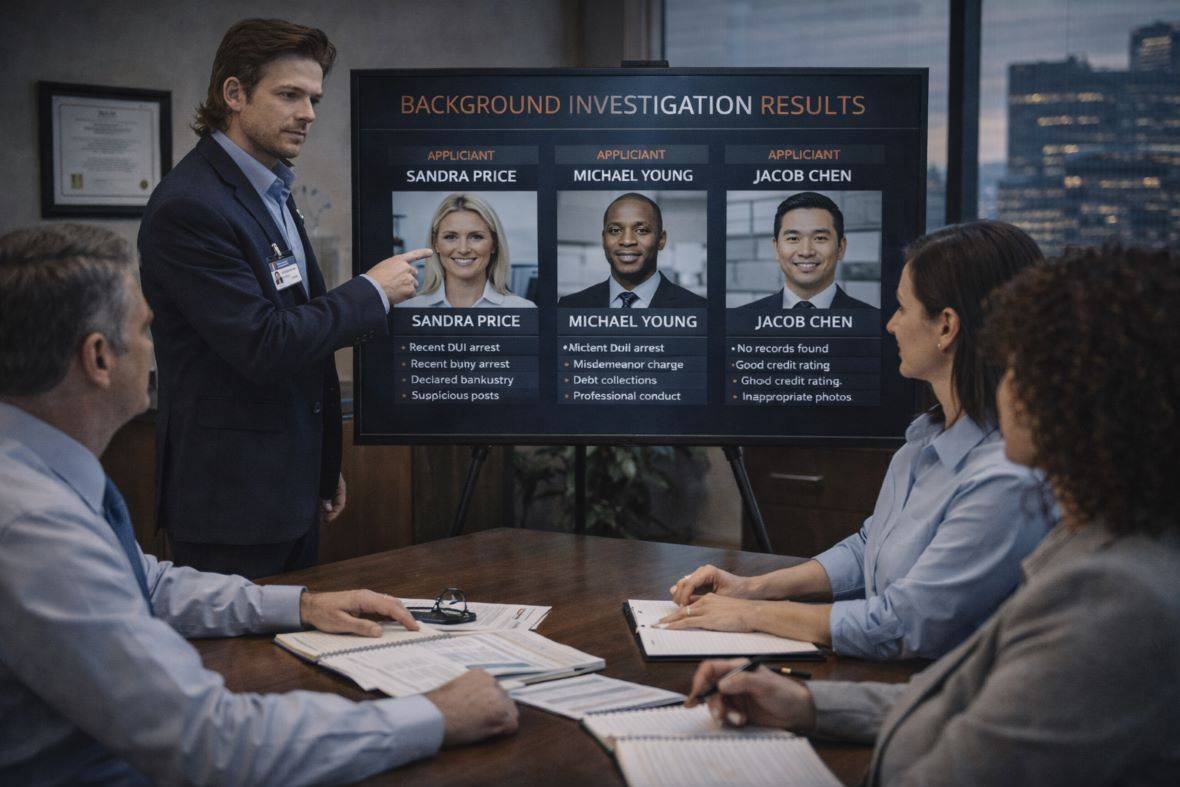
When you suspect something is wrong in your personal or professional life, it’s rarely a single event that gives it away. Instead, it’s often a series of small, unusual moments that begin to pile up. Professional private investigators specialise in identifying these patterns, looking beyond the surface to find what others might miss. In modern cases, the signs have shifted from simple physical trail-following to a complex mix of digital habits and psychological shifts.
Learning how professionals spot Behavioural Red Flags can help you understand when a situation requires closer review. Recognising these indicators early through pattern recognition can build your confidence in identifying issues. Whether you are dealing with a sensitive family matter or a complex corporate issue, understanding deviations from established behaviour helps you act promptly. Professionals don’t just look for “guilty” looks; they track deviations from a person’s established baseline of behaviour. This article explores how modern investigative techniques uncover the truth through routine shifts and emotional cues.
Hidden Shifts in Daily Habits and Routine
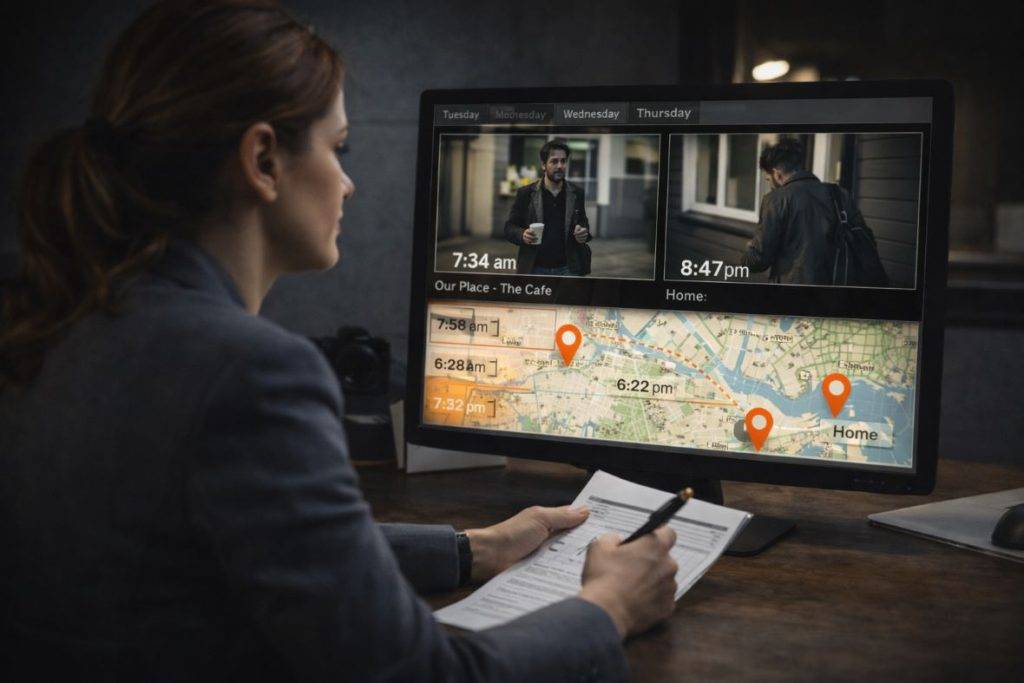
One of the most reliable indicators of a secret is a sudden, unexplained change in someone’s daily rhythm. We are creatures of habit. When a person begins to deviate from their long-standing schedule without a logical reason, it often signals they are allocating time to something they want to keep hidden. Private investigators usually start by establishing what a “normal” day looks like for a subject before looking for the cracks in that foundation.
Physical anomalies are frequently the first signs to appear. You might notice someone consistently staying late at the office even though their workload hasn’t increased. Or perhaps they’ve started taking long, unexplained drives or running errands that take twice as long as they should. These gaps in time are where the “hidden life” usually lives. In professional environments, this might manifest as an employee who suddenly begins arriving very early or staying late to access files without supervision. For those managing businesses, understanding the Workplace Investigation Process in Australia can help identify when routine shifts cross the line into misconduct.
Digital anomalies are the modern equivalent of a paper trail. Investigators look for “technical gatekeeping,” such as someone who suddenly takes their phone everywhere, including the bathroom, or places it face down on the table. If you notice a partner or employee who was previously lax about security suddenly adding biometric locks or frequently changing passwords, it is a significant red flag. These digital behaviours are often more revealing than physical ones because they happen in the palm of a hand, yet they leave a distinct trail for those who know how to look. Professional investigation can help you interpret these signs with confidence and clarity.
Changes in Communication and Technology Use
In the modern landscape, communication habits are a goldmine for information and can signal suspicious activity. A major red flag is when someone suddenly starts using encrypted messaging apps like Signal or Telegram, especially if they’ve never used them before. While these apps have legitimate uses, their sudden appearance often coincides with a desire for untraceable conversations. Recognising these shifts can help you identify when someone is hiding something.
You should also look for “defensive tech habits.” This includes clearing browser histories daily, deleting text threads immediately after reading them, or receiving notifications from “Unknown” or renamed contacts. When a person becomes overly protective of their devices, it’s usually because those devices hold evidence of their secondary life.
Unexpected Financial and Travel Patterns
Money usually leaves a scent, and investigators are experts at following it. Unexplained spending is a classic red flag. This could be small, frequent ATM withdrawals that bypass digital tracking or new credit cards that you didn’t know existed. In corporate settings, this might look like uncovering employee misconduct by identifying instances where travel expenses don’t match the client meetings on the calendar.
Travel patterns are equally telling. If someone starts taking frequent “business trips” on weekends or to locations that seem irrelevant to their job, it warrants attention. These trips often serve to maintain a relationship or conduct a secret transaction away from the prying eyes of their local community.
Body Language and Emotional Cues in High-Stakes Situations

While digital and routine changes provide the “where” and “when,” body language offers the “why.” Humans are naturally bad at lying because our nervous systems often betray us. Private investigators pay close attention to the psychological side of Behavioural Red Flags during interviews or surveillance. Recognising “clusters” of behaviour, such as micro-expressions and defensive posturing, can help you trust your instincts and better understand underlying emotions. They look for “clusters” of behaviour rather than single actions.
Micro-expressions are tiny, involuntary facial leaks that happen in a fraction of a second. A person might try to look calm, but a quick flash of fear or contempt can reveal their true feelings. During a confrontation or a simple inquiry, an investigator watches how a subject reacts to specific names, places, or dates. If a person’s facedoesn’tt match the words coming out of their mouth, there is a high probability of deception.
Defensive posturing is another key indicator. When people feel threatened by a question, they physically try to protect themselves. This might involve crossing arms tightly, turning their body away, or creating a physical barrier with an object like a coffee cup or a laptop. These cues aren’t proof of guilt on their own, but they show that the topic of conversation is causing significant internal stress.
Defensive Posturing and Avoiding Eye Contact
Eye contact is often misunderstood. Many people believe liars can’t look you in the eyes, but the opposite is usually true; practised deceivers will overcompensate by staring too intensely to prove their “honesty.” What investigators actually look for is a break in the person’s regular pattern of eye contact.
Closed-off body language, such as tucking the chin or rubbing the back of the neck, suggests someone is trying to soothe themselves under the pressure of a lie. If someone’s feet are pointed toward the door while they are talking to you, their subconscious is literally telling you they want to escape the situation. Identifying these methods to expose insurance fraud often relies on seeing how a claimant reacts when asked to clarify a suspicious detail.
Inconsistent Stories and Verbal Deflection
Verbal red flags are often the easiest to spot if you listen closely. One common sign is “over-explaining.” When people tell the truth, they are usually concise. When they lie, they tend to add too much useless detail to make the story feel more “real.”
Another tactic is verbal deflection. Instead of answering a direct question, the person might get angry and turn the question back on you. They might say, “How could you even ask me that?” or “I don’t have to sit here and be interrogated.” This shift from answering to attacking is a significant indicator that the person is hiding behind a wall of indignation to avoid the truth.
Closing Thoughts on Behavioural Red Flags
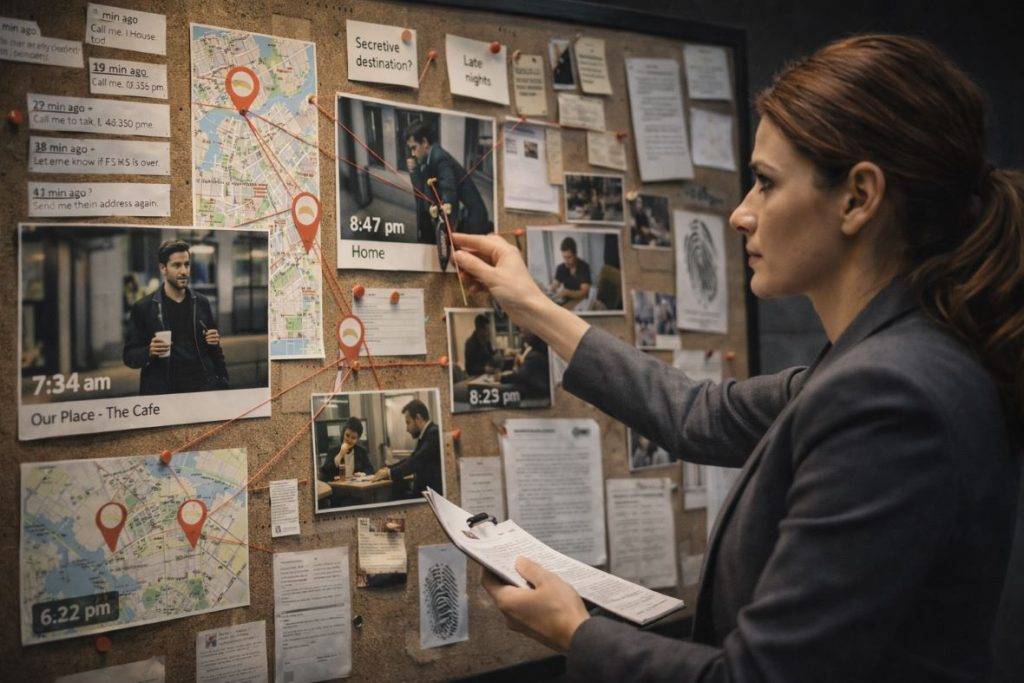
Recognising Behavioural Red Flags isn’t about becoming paranoid; it’s about becoming observant. Small shifts in how someone uses their phone, where they spend their money, or how they react to simple questions can provide a wealth of information. These patterns often start small and escalate over time, making early detection vital for resolving issues before they become permanent.
If you observe these indicators, trust your intuition while avoiding hasty judgments. Evidence is the key to any successful resolution. While you can monitor these changes on your own, the expertise of private investigators is often necessary to gather the proof required for legal or professional action. Seeking professional help ensures that you have a clear, unbiased view of the situation, allowing you to move forward with confidence and facts.
Common Questions About Investigating Suspicious Behaviour
What is the most common red flag found in modern cases?
The most frequent indicator is a sudden, radical change in routine. This includes changes in work hours, hobbies, or social circles that don’t have a clear or logical explanation. When the “baseline” of a person’s life shifts, it usually means something new is occupying their time and attention.
Do investigators only look at physical actions?
No, modern investigation is a mix of physical and digital analysis. While physical surveillance remains a cornerstone, digital footprints, such as social media activity, login times, and communication patterns, are just as crucial in building a complete picture of someone’s behaviour.
Can one single red flag prove someone is guilty?
No, a single red flag is just a reason to look closer. Professional investigators look for a“pattern of behaviour.” It usually takes several signs across physical, digital, and emotional categories to build a case suggesting a high probability of deception or misconduct.