Last updated:
In a world where seeing is no longer necessarily believing, the integrity of the justice system faces a growing threat from digital deception. You might think that a clear photo or a crisp video is the ultimate “smoking gun” in a court case, but technology has made it easier than ever to fabricate reality. From altered documents to sophisticated deepfakes, manipulated evidence can muddy the waters of any legal proceeding.
This is where private investigators step in as the modern-day guardians of truth. They don’t just look at what’s in the frame; they look deep into the digital DNA of the media itself. When your reputation or your freedom is on the line, understanding investigative techniques for media verification is crucial to ensuring evidence is genuine and upholding justice.
Ways Private Investigators Spot Altered Photos and Videos
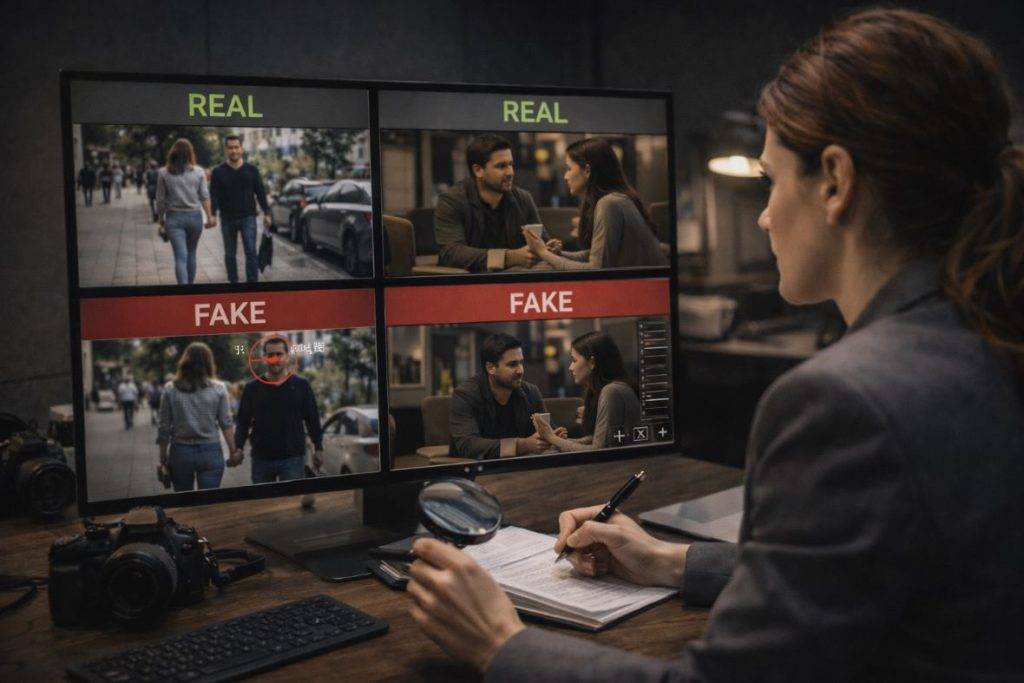
Spotting a fake isn’t always about finding a glaring mistake that sticks out like a sore thumb. Instead, it often requires a blend of high-tech analysis and old-fashioned attention to detail. Private investigators look at images and videos through a different lens than the average person. They know that every digital image is made up of millions of tiny squares called pixels.
When someone edits a photo, they disturb the natural pattern of these pixels. Even if the edit looks perfect to your eyes, a professional can often spot where the image’s “texture” changes unnaturally.
Investigators also look for physical impossibilities. Think about how light works in the real world. If a person is added to a sunny outdoor scene, their shadow must match the direction and intensity of the light hitting the nearby trees or buildings. An investigator might notice that a person’s shadow is slightly too soft or pointing the wrong way. They check for reflections in windows, mirrors, or even the pupils of a subject’s eyes. If the reflection doesn’t accurately reflect what’s in the surrounding environment, you’re likely looking at a fabrication.
The human element is just as important as the technology. Investigators use their experience to spot “uncanny” movements in videos. Deepfakes often have tiny glitches, such as strange blinking patterns or inconsistent skin tones near the hairline. By combining their sharp instincts with advanced software, investigators can peel back the layers of a file to see if what you’re watching is a real event or a clever computer-generated lie.
Checking Metadata and File History
Every time you take a photo with a smartphone or a digital camera, the device creates a “digital fingerprint” known as metadata. This hidden layer of information records exactly when the photo was taken, what type of camera was used, and often the precise GPS coordinates of the location. For a private investigator, this is a gold mine of information.
If someone presents a photo as evidence of an event that happened in Sydney at noon, but the metadata shows the file was created in London at midnight, the case falls apart immediately. Investigators also look for evidence of “re-saving.” When a file is edited in software like Photoshop, it often leaves a trail in the file history. If the metadata is missing entirely or appears scrubbed, that’s a massive red flag that someone is trying to hide the truth.
Looking for Visual Clues and Anomalies
Beyond the hidden data, investigators search for visual inconsistencies that the creator may have overlooked. They look at the edges of objects. In a real photo, there is a natural, subtle blur where an object meets the background. In a fake media file, these edges might be too sharp or have a “halo” effect from a poor cutting job.
Investigators also pay close attention to the perspective. If a car is added to a street scene, it must get smaller at the same rate as the buildings around it. If the math doesn’t add up, the photo is a fraud. They might even look at weather records for the day a photo was supposedly taken. If the “evidence” shows a bright, sunny day but the records show it was pouring rain, the investigator has successfully exposed a lie.
The Role of Experts in Protecting Legal Cases
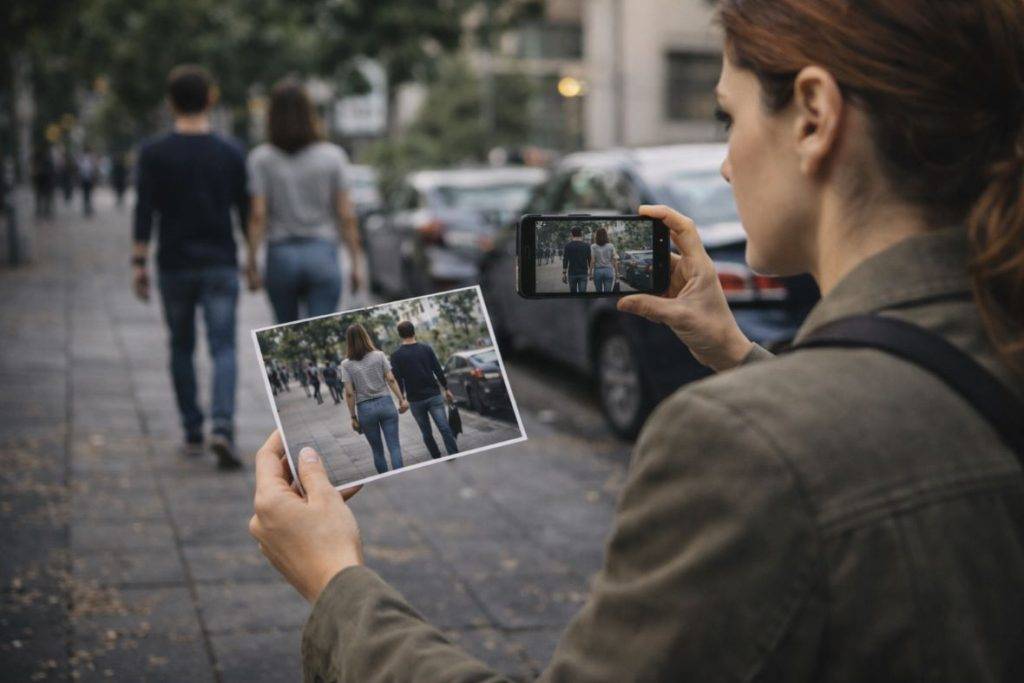
In the courtroom, the stakes are incredibly high. Lawyers and individuals turn to experts to ensure that the evidence presented is beyond reproach. A private investigator acts as a filter, catching fraudulent submissions before they can do permanent damage. Verified evidence can completely shift the momentum of a trial, turning a losing hand into a winning one. By providing forensic investigation services, these professionals help uphold justice and ensure that decisions are based on facts rather than fiction, fostering trust in the legal process.
When you hire a professional, you’re paying for their ability to stand behind their work. They provide an objective layer of protection. If an opposing party tries to introduce a doctored audio recording or a fake surveillance video, a skilled investigator can provide the proof needed to have that evidence thrown out. This protection extends to your reputation as well. In a world where a fake video can go viral in minutes, having a professional confirm its illegitimacy is the first step toward clearing your name.
Verifying Alibis with Digital Truths
Digital forensics can be a powerful tool for proving where you were (or weren’t) at a specific time. Investigators can use cellular tower pings, Wi-Fi connection logs, and even “wearable” device data to build a timeline of your movements. This is often the best way to fight back against a “frame-up” involving fake media.
If someone produces a fake photo of you at a crime scene, your investigator can counter it by showing digital proof that you were miles away at a grocery store or at home on your computer. This conflict between a fake image and complex digital data is often enough to create reasonable doubt in a criminal case. It turns the tide by using the same technology that made the fake to reveal the truth.
Preparing Evidence for Court Testimony
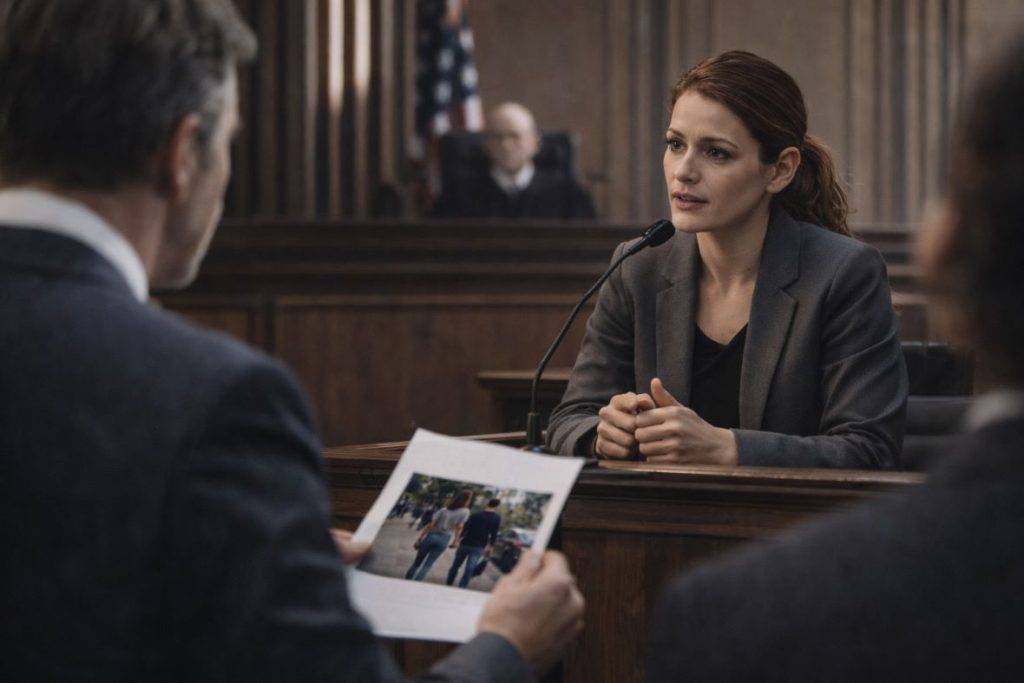
Finding the fake is only the first part of the process. For the information to be helpful, a judge or a jury must understand why it’s a fake. Private investigators excel at translating complex technical jargon into simple, everyday language. They don’t just talk about “hexaceous data strings” or “pixel interpolation,” but clarify how their findings support the case, helping legal professionals feel assured in their understanding and trust in the evidence.
Instead, they use analogies that anyone can understand. They might compare a doctored photo to a collage made of magazine cutouts, explaining how the pieces don’t quite fit. By presenting their findings clearly and confidently, they bridge the gap between high-tech forensics and the jury’s common sense. This clarity is what makes their testimony so persuasive and effective in a legal setting.
Protecting the Truth in the Age of Fake Media
The rise of Fake Media has undoubtedly made the legal world more complicated, but it hasn’t made the truth impossible to find. By hiring private investigators Sydney who specialise in digital forensics, you can protect yourself from the devastating effects of fabricated evidence. These professionals act as a vital shield, ensuring that the justice system remains grounded in reality. The value of truth is the foundation of any fair legal system. If you suspect that someone is using doctored photos, videos, or audio to harm your case, you should seek professional help immediately to uncover the facts and secure your future.
Common Questions About Fake Media and Investigations
Can a private investigator prove a video is a deepfake?
Yes, they can. While deepfakes are becoming very realistic, they still have “telltale” signs. Investigators use specialised software to detect AI artifacts, such as irregular light reflections in the eyes or unnatural facial muscle movements. They also analyse the background Noise Floor to see if the audio matches the video environment.
Is fake evidence common in court?
It is becoming much more frequent. As AI tools and photo editing apps become easier for anyone to use, more people are tempted to “tweak” the truth. This makes it more critical than ever to have an expert review any media that seems suspicious, especially in high-stakes Private Investigator Australia or commercial fraud cases.
Why not just use a free online tool to check?
Free online tools are often outdated and can be fooled by modern AI. More importantly, a free tool won’t produce a certified report you can use in court. Professional investigators use enterprise-grade tools and follow strict “chain of custody” rules. This ensures that their findings are legally admissible and can withstand cross-examination by the other side’s lawyers.

Written by the Triumph Australia investigations team. We work for insurers, claims managers, employers and law firms on surveillance, fraud and due diligence matters Australia-wide.
GORA Investigations Pty Ltd, NSW Master Licence 412080174.