Last updated:
The digital world is changing how you see the truth; literally. It’s no longer safe to assume that a photo or video represents reality. With the rise of synthetic media, AI-Generated Evidence is becoming a massive headache for the legal system and corporate worlds alike. You may find yourself looking at a recording of a conversation that never happened or a photo of a person in a place they’ve never visited. As these tools become more accessible, the danger of being framed or misled grows. This is where private investigators come in. They’re the new frontline of defence, using a mix of classic detective work and high-tech analysis to tell what’s real from what’s fake. You need experts who can navigate this messy landscape and find the hidden seams in a synthetic file.
How Private Investigators Spot Synthetic Media and Deepfakes
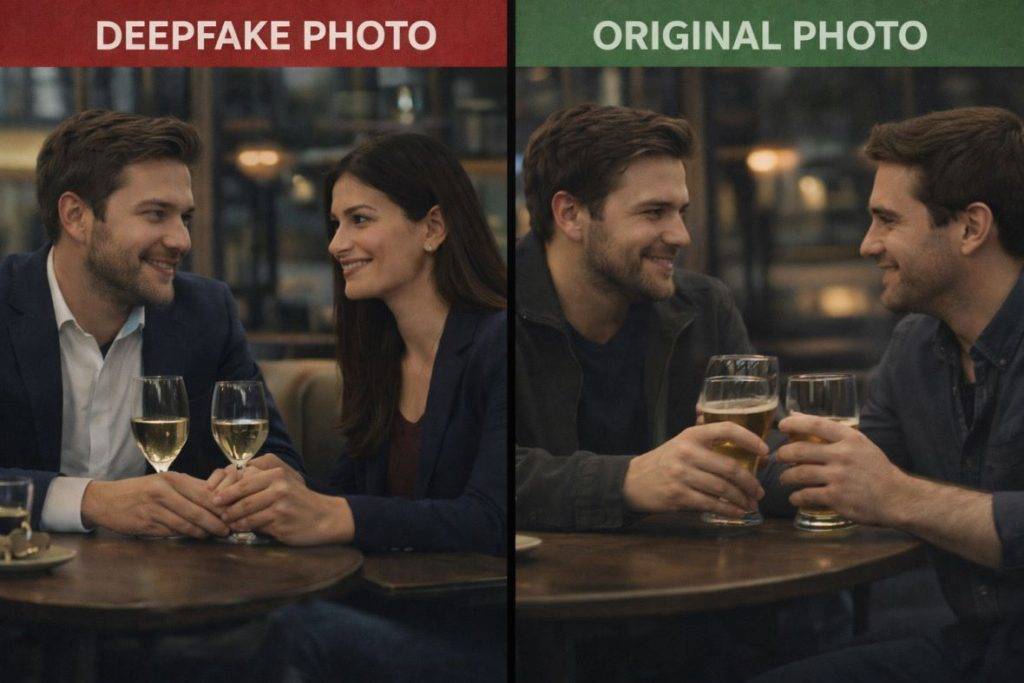
When you’re faced with a suspicious file, you can’t just trust your gut. Professional investigators use a rigorous process to audit digital media, combining software tools with human expertise. While software can flag potential fakes, it’s important to recognise that these tools are not infallible, and human judgment remains essential for interpreting the context and intent behind the manipulation.
The methodology often begins with a comprehensive forensic investigation to ensure every byte of data is accounted for, giving legal professionals and investigators confidence in the evidence’s accuracy. They check for inconsistencies in the file’s structure that shouldn’t be there if the image was captured naturally. They also look at how the file has been handled. If a photo has been passed through multiple editing platforms, it leaves a trail. By the time an investigator finishes their audit, they have a clear picture of whether the evidence is genuine or a product of an algorithm.
Looking for Metadata Clues and Technical Red Flags
Every digital file has a history, even if you can’t see it on the surface. This is known as metadata. It tells you the camera type used, the GPS location of the shot, and the exact timestamp of its creation. When someone creates a deepfake, the metadata is often missing, incomplete, or totally nonsensical. A machine-generated image might claim to have been taken with a camera that doesn’t exist, or it might lack the typical “noise” produced by physical sensors.
Investigators dive into the code to find these technical red flags. They look for “artifacts,” tiny digital remnants from the generation process. These could be strange patterns in the pixels or mathematical signatures that appear only when an AI model generates an image. By comparing the file’s code to known patterns of legitimate photography, a specialist can determine whether a file was generated in a computer rather than captured in the real world.
Spotting Visual Glitches in Artificial Images
AI is intelligent, but it still struggles with the nuances of physics and biology. You’ve probably seen the “telltale signs” of early AI, like people having six fingers or hair that blends into their skin. While the technology is getting better, it still makes mistakes that a trained investigator can spot. They look for lighting that comes from two different directions or shadows that don’t match the objects casting them.
Other red flags include blurry backgrounds where there should be precise detail or reflections in the eyes that don’t reflect the surroundings. In audio files, they listen for unnatural breathing patterns or abrupt word endings. These glitches are the cracks in the digital mask. When you combine these visual observations with digital data recovery and analysis, you get a robust defence against deception.
Protecting Legal Cases from Fake Digital Proof
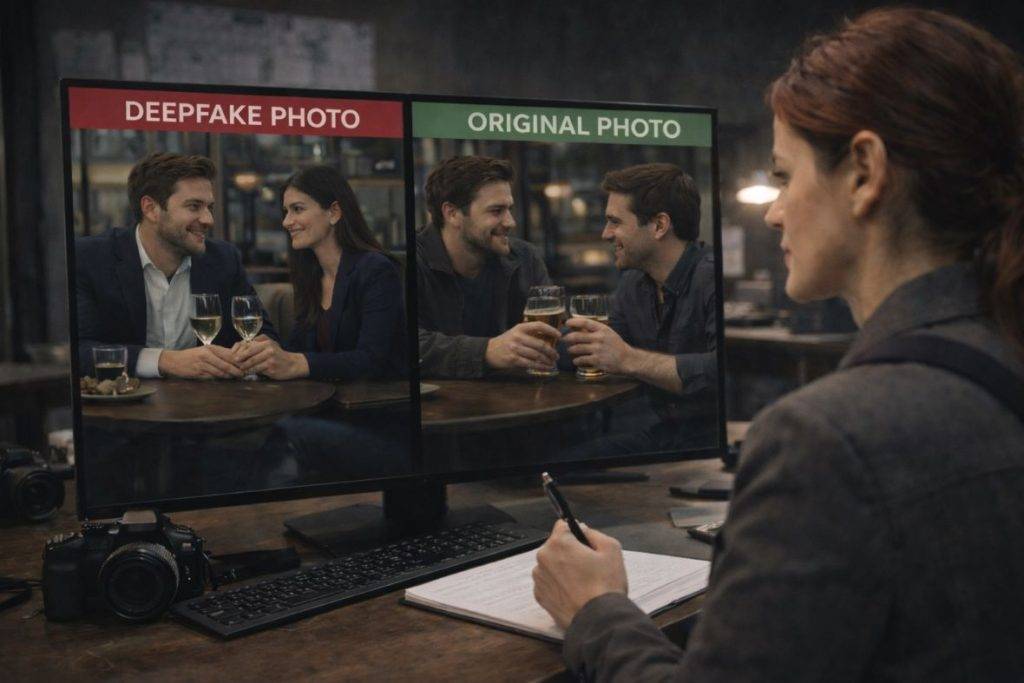
If you’re involved in a legal dispute, the stakes for truth are incredibly high. A single fake photo can ruin a reputation or sway a jury. You need to ensure that every piece of evidence is clean and honest before it’s presented to a judge. Private investigators collaborate with legal teams to act as an information filter, reinforcing the importance of integrity in digital evidence. They verify the integrity of the proof to make sure it’s admissible and hasn’t been tampered with.
This isn’t just about catching “bad guys”; it’s about maintaining the integrity of the entire legal process. If a lawyer presents false evidence, it can lead to sanctions or a loss in a case. By using professional forensic investigation services, you protect yourself from these risks. These experts act as a buffer, ensuring that only verified, legitimate facts reach the courtroom.
Verifying the Source of Digital Information
A key part of keeping evidence clean is establishing a “chain of custody.” This means tracking exactly where a file came from and who had access to it. If you can’t prove that a video came directly from a specific security camera, its evidentiary value drops significantly. Investigators use specialised tools to track the origin of digital information.
They look at the journey the file took from the device to the server. If there’s a gap in that journey where someone could have swapped the original for a fake, the investigator will find it. Proving the source is just as important as establishing what is in the image. Without a verified source, digital proof is just a collection of pixels that anyone could have made.
Maintaining Truth in a Synthetic World

As fake content becomes harder to spot, the role of professional investigators will only grow. You deserve to know that the facts you’re dealing with are the actual reality, not a computer’s best guess. Whether you’re dealing with a business dispute, a personal matter, or a complex legal battle, you can’t afford to let synthetic lies stand as truth.
Hiring a team that understands the intersection of technology and human behaviour is the best way to safeguard your interests. These experts act as the gatekeepers of truth, ensuring that the evidence you rely on is solid and undeniable. In an era where seeing is no longer believing, having a professional on your side is the only way to navigate the digital world with confidence. Protect yourself by trusting those who know how to peel back the layers of the digital mask and find the real story underneath.
Frequently Asked Questions About Synthetic Evidence
Can private investigators always tell if a photo is AI-generated?
While technology is constantly improving, experienced investigators catch the vast majority of fakes by combining technical software with a trained eye for physical inconsistencies that machines still can’t perfect.
Why is metadata necessary for identifying fake files?
Metadata is like a digital fingerprint. It provides the “who, what, and where” of a file. If this data is missing or doesn’t match the visual content, it’s a strong indication that the file has been manipulated or generated by a machine.
How does artificial evidence affect legal cases?
False evidence can result in wrongful convictions or unfair settlements. It forces the court to spend more time verifying proof, making the role of independent investigators vital for ensuring a fair trial.

Written by the Triumph Australia investigations team. We work for insurers, claims managers, employers and law firms on surveillance, fraud and due diligence matters Australia-wide.
GORA Investigations Pty Ltd, NSW Master Licence 412080174.