Last updated:
Have you ever wondered if that car parked down the street is actually watching someone? In Australia, hiring a Private Investigator Australia is a common practice for businesses and individuals seeking the truth. Whether it involves insurance claims or personal matters, these professionals provide essential Private Investigation Services. However, they aren’t characters in a movie who can break every rule. There are strict legal boundaries they must follow to ensure their work remains valid and lawful.
Where a Private Investigator Australia Can and Cannot Follow You

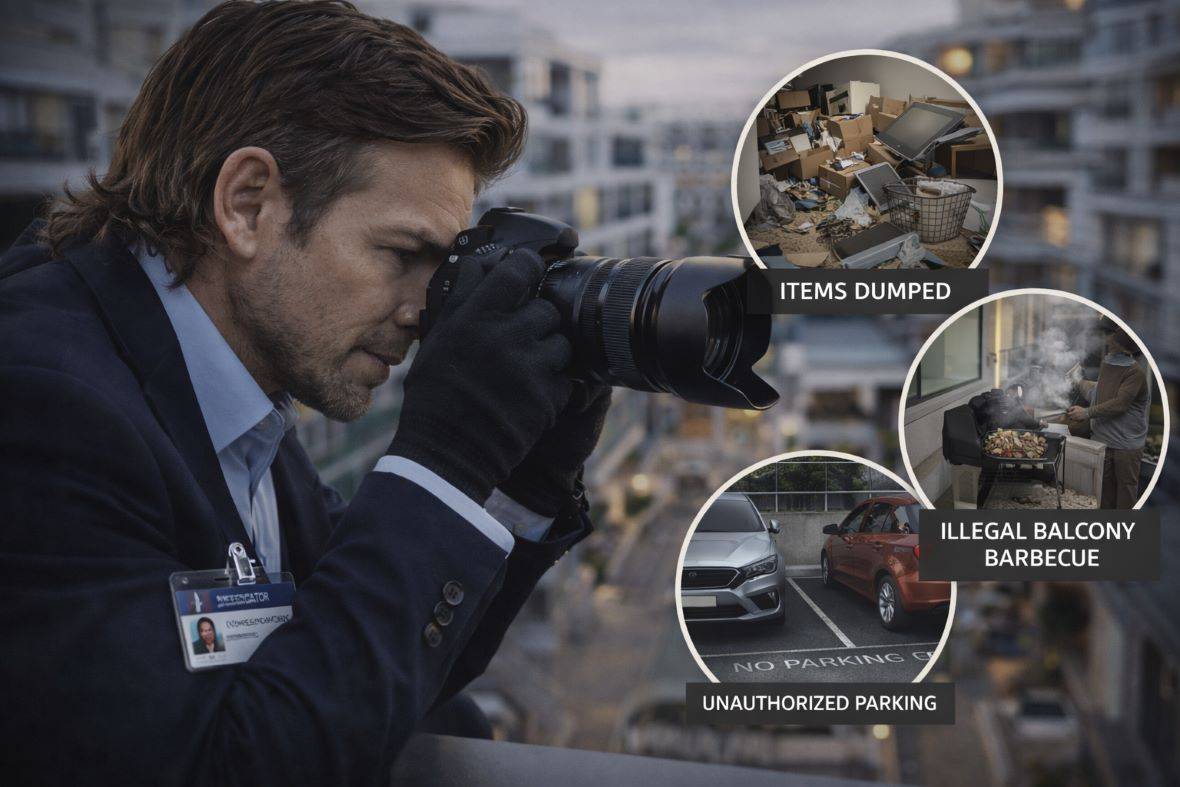
The law makes a significant distinction between being out in the world and being inside your home. It’s generally legal for an investigator to follow someone on a public street, in a park, or at a shopping centre. Since these are public areas, there’s no expectation of total privacy. They can watch where you go and who you meet without breaking the law.
However, this freedom stops at your front gate. A private investigator in Australia cannot enter private property without permission, as this constitutes trespass. They can’t climb your fence or sneak into your backyard to get a better look. Staying on public land is the golden rule for any licensed professional.
Respecting Privacy and Avoiding Harassment
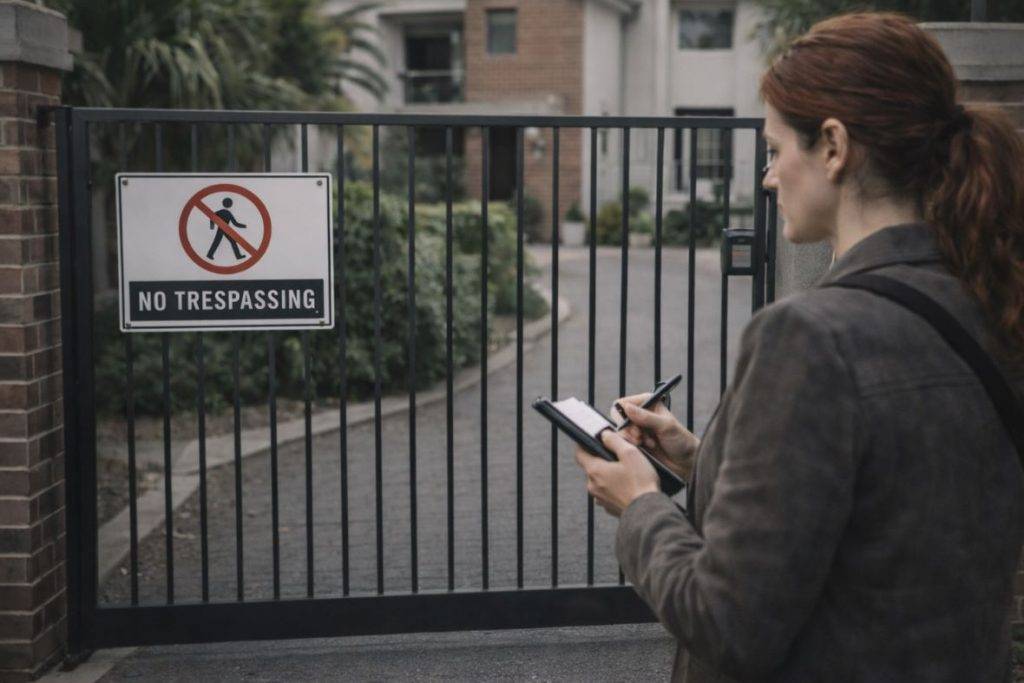
Observation must never turn into harassment or stalking. There’s a fine legal line that investigators must walk daily. They can watch you from a distance, but they cannot threaten you, block your path, or cause you to fear for your safety. Providing Private Investigation Services means being a “fly on the wall” rather than a nuisance.
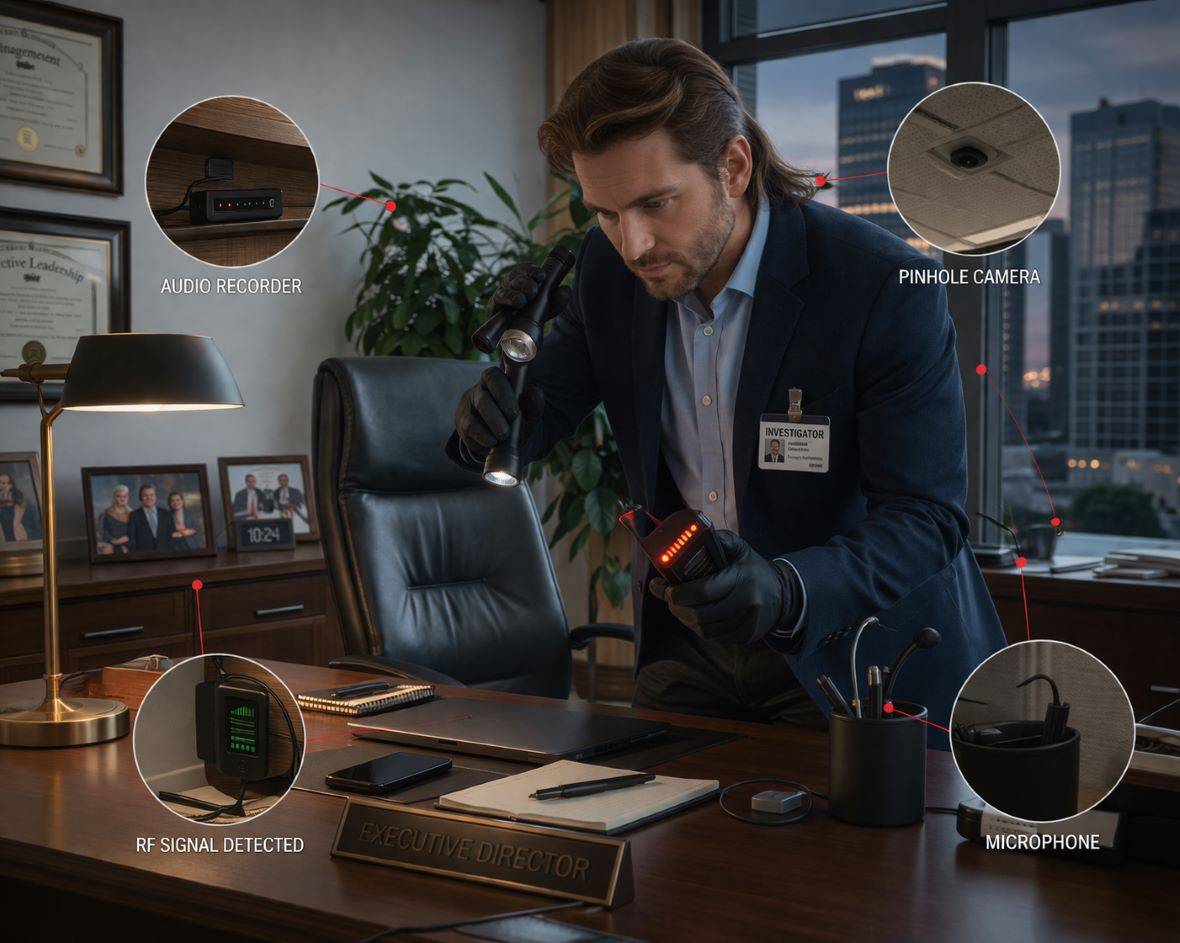
Furthermore, privacy laws are stringent regarding technology. An investigator cannot plant high-tech bugs in your house or record private conversations without everyone’s consent. These actions violate the Surveillance Devices Act and can result in heavy fines or license revocation.
Steps to Become a Licensed Investigator in Australia
If you’re interested in this career, you can’t just start following people tomorrow. You need a license. The first step is usually completing a Certificate III in Investigative Services. This course teaches the legalities and techniques required for the job.
1. Understand the Legal Requirements:
Before you begin your journey, familiarise yourself with the regulatory framework for private investigation in your state or territory. Each Australian region has its own licensing requirements, governed by state legislation.
2. Meet Minimum Age and Background Criteria:
Typically, you must be at least 18 years old. Additionally, a criminal background check is commonly required, and being of good character is essential for obtaining a license.
3. Obtain Relevant Qualifications:
While formal education is not always mandatory, having qualifications in criminal justice, law enforcement, or a related field can be beneficial. Consider enrolling in a Certificate III or IV in Investigative Services, which is recognised across the industry.
4. Gain Practical Experience:
Experience in roles related to security, law enforcement, or other investigative positions can significantly enhance your skill set. Look for internships or entry-level roles that provide hands-on training.
5. Complete Required Training:
Depending on your location, you may need to complete specific training programs covering relevant legislation, investigative techniques, and ethical practices. This training is essential for your professional development and is a prerequisite for licensing.
6. Apply for a License:
Once you have met all training and experience requirements, you can apply for your private investigator license through your state’s licensing authority. This process typically involves submitting an application form along with any required documentation and fees.
7. Stay Compliant with Ongoing Education:
Once licensed, most states require investigators to complete continuing education to stay up to date with industry standards and legislative changes. This ongoing professional development is crucial for maintaining your license and improving your skills.
8. Consider Specialisations:
Depending on your interests and career goals, you may want to specialise in areas such as corporate investigation, fraud investigation, or surveillance. Specialising can enhance your marketability and expand your career opportunities.
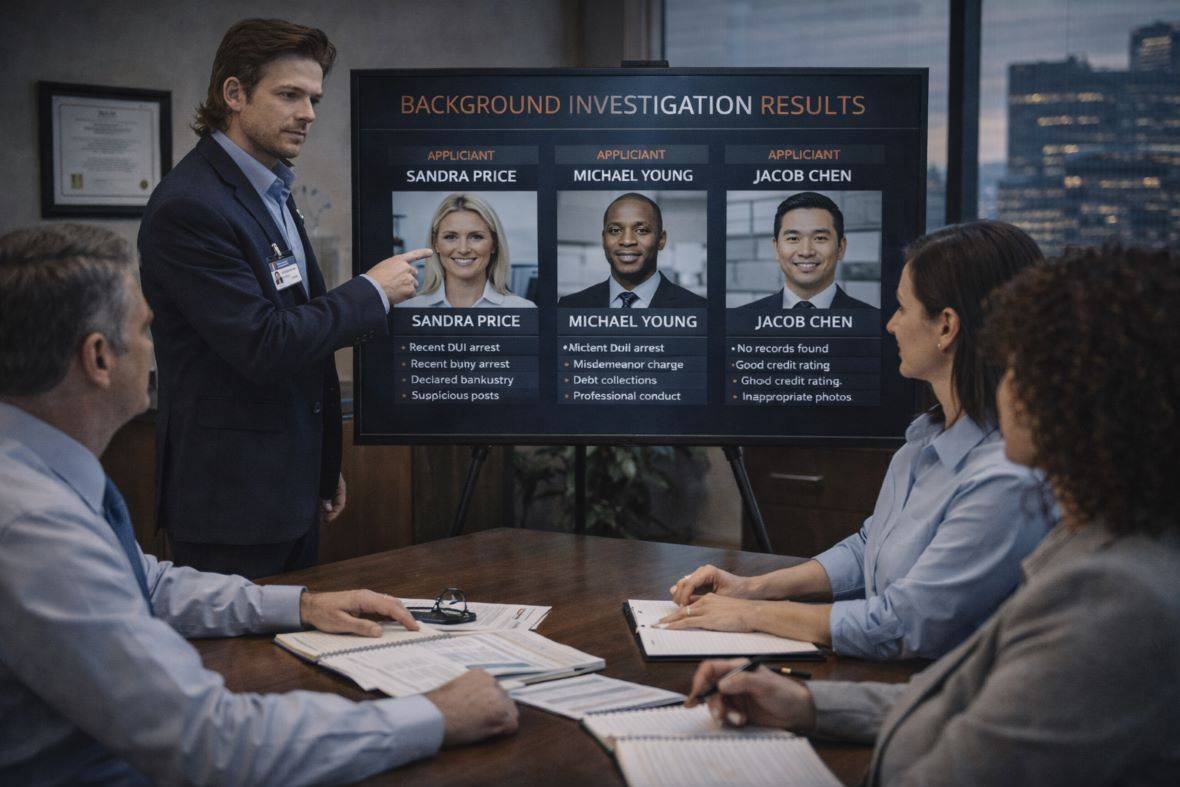
Once you have your qualification, you must apply for a state-specific license, such as the Security Licensing & Enforcement Directorate (SLED) license in NSW. Having a clean criminal record is a non-negotiable requirement. Authorities perform thorough background checks to ensure only trustworthy people enter the industry.
Final thoughts: PI follows someone in Australia

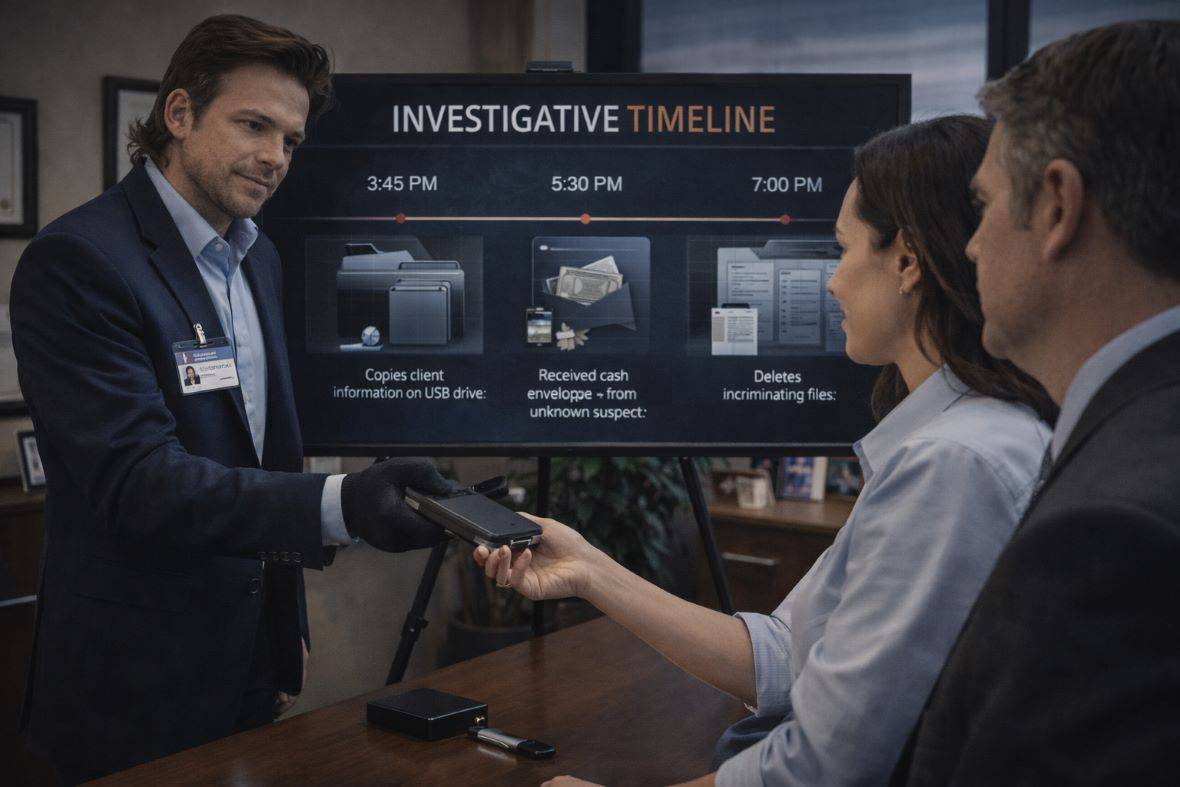
Legal surveillance is a detailed process that demands a licensed professional knowledgeable about legal intricacies to ensure that the evidence collected is admissible in court. When conducted lawfully, private investigation services offer peace of mind while protecting the interests of all parties involved. It is essential to recognise the legal authority of private investigators in Australia to uphold fairness and legality in their practices. In conclusion, adhering to legal standards not only enhances the credibility of the evidence gathered but also fosters trust in the investigative process.
Common Questions About Surveillance in Australia
Can an investigator film me through my window?
No. Even if they are standing on a public sidewalk, filming into a private home where you have a reasonable expectation of privacy is illegal.
Can they track my car with GPS?
Usually no. In most Australian states, it’s illegal to attach a tracking device to a vehicle unless the vehicle’s owner has given their consent.
Do they have the same powers as the police?
Not at all. A private investigator is a civilian. They have no special powers to arrest people, pull over cars, or execute search warrants.
Reference:
NSW Police Force. (n.d.). CAPI licences. Retrieved February 5, 2026, from https://www.police.nsw.gov.au/online_services/sled/capi_licences

Written by the Triumph Australia investigations team. We work for insurers, claims managers, employers and law firms on surveillance, fraud and due diligence matters Australia-wide.
GORA Investigations Pty Ltd, NSW Master Licence 412080174.