Last updated:
Can a Company Legally Monitor Employees in Australia? What’s Allowed, What’s Risky, and How to Do It Right
It’s a quiet Tuesday. Someone’s typing in a shared office, another worker’s driving a company ute across town, and a third is logged in from the kitchen table at home. In all three places, the same question can hang in the air: Is someone watching?
In Australia, the plain answer is yes, employee monitoring can be legal, but only when it’s done the right way. The rules can change depending on where the work is done and what’s being monitored, such as emails, CCTV, GPS, phone calls, or computer activity.
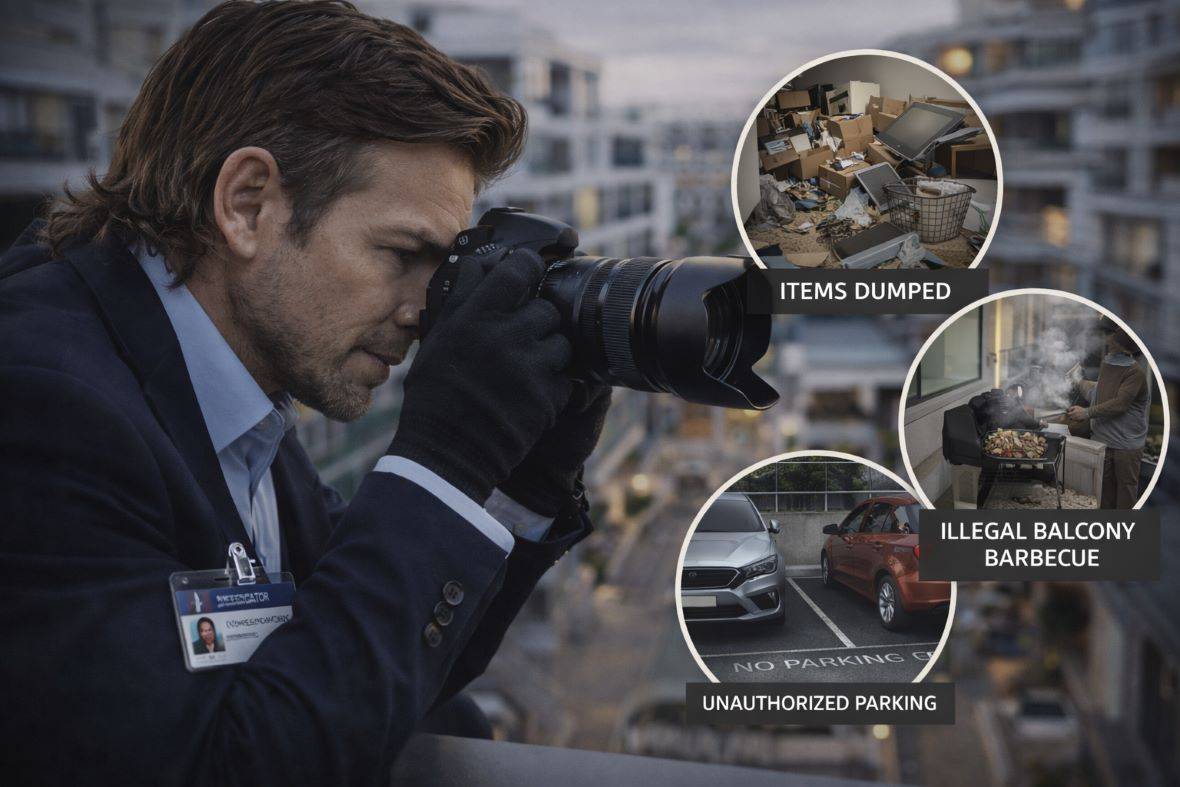
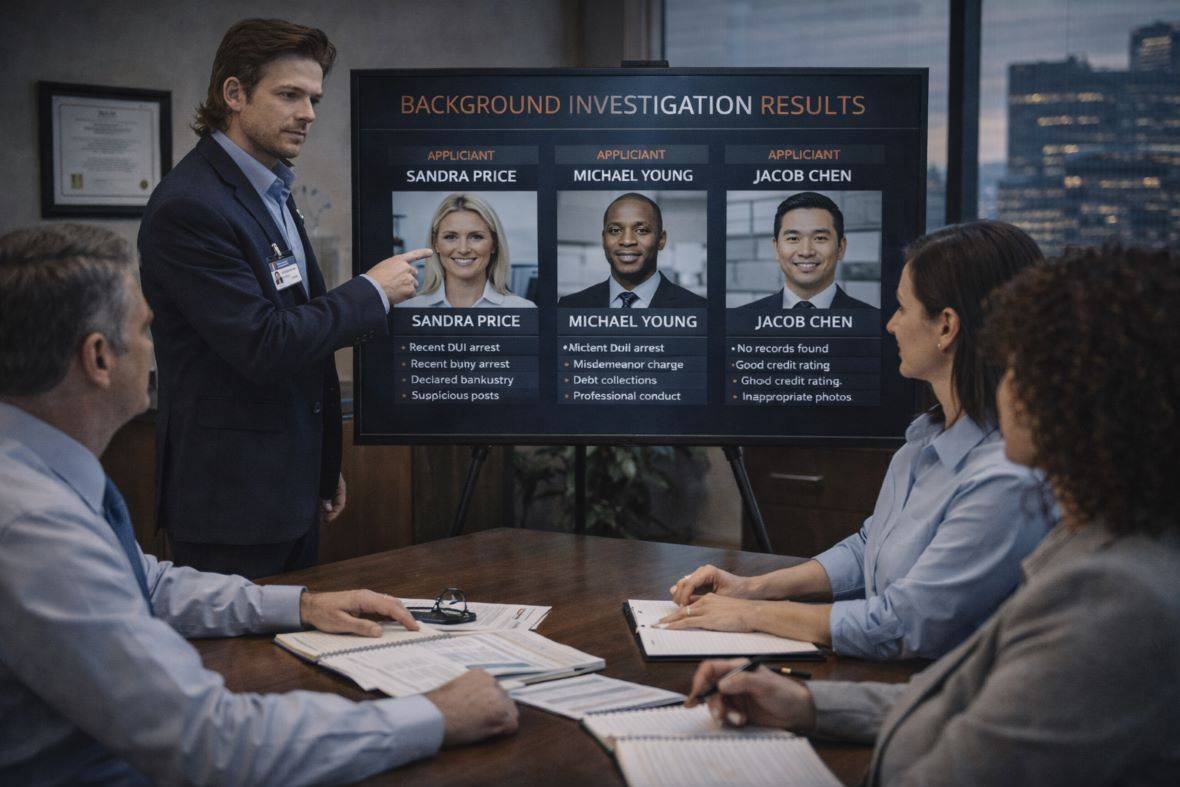
For employers, monitoring can protect safety, clients, and sensitive data. For employees, it can feel like a spotlight that never turns off. And when serious misconduct is suspected, some workplaces turn to Private Investigation Services or a Private Investigator Australia, but the same legal and fairness expectations still apply.
Is it legal to monitor employees in Australia? The short answer, and the big conditions
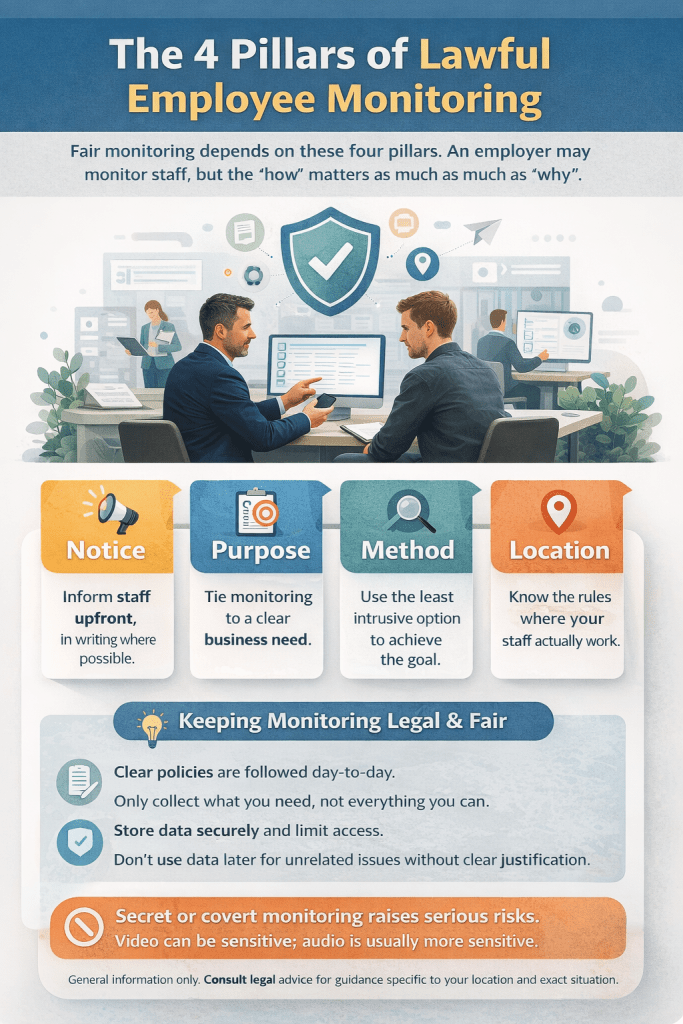
Employee monitoring usually sits on four pillars: notice, purpose, method, and location. An employer may be allowed to monitor, but the “how” matters as much as the “why.” A reasonable safety measure can turn into a privacy mess if it’s secret, broad, or used as a fishing trip.
In practical terms, monitoring is more likely to be lawful when it’s tied to a clear business need. Common reasons include protecting staff, securing stock and equipment, preventing data leaks, checking misuse of company systems, verifying hours worked, and meeting client or site security requirements.
These are the most common guardrails that keep monitoring on safer ground:
- Tell staff up front (not after the fact), in writing where possible.
- Have a clear policy that matches what you actually do day to day.
- Use the least intrusive option that still achieves the aim.
- Collect only what you need, not everything you can.
- Store data safely, limit access, and keep audit trails.
- Don’t re-purpose data later for unrelated issues without a strong justification and process.
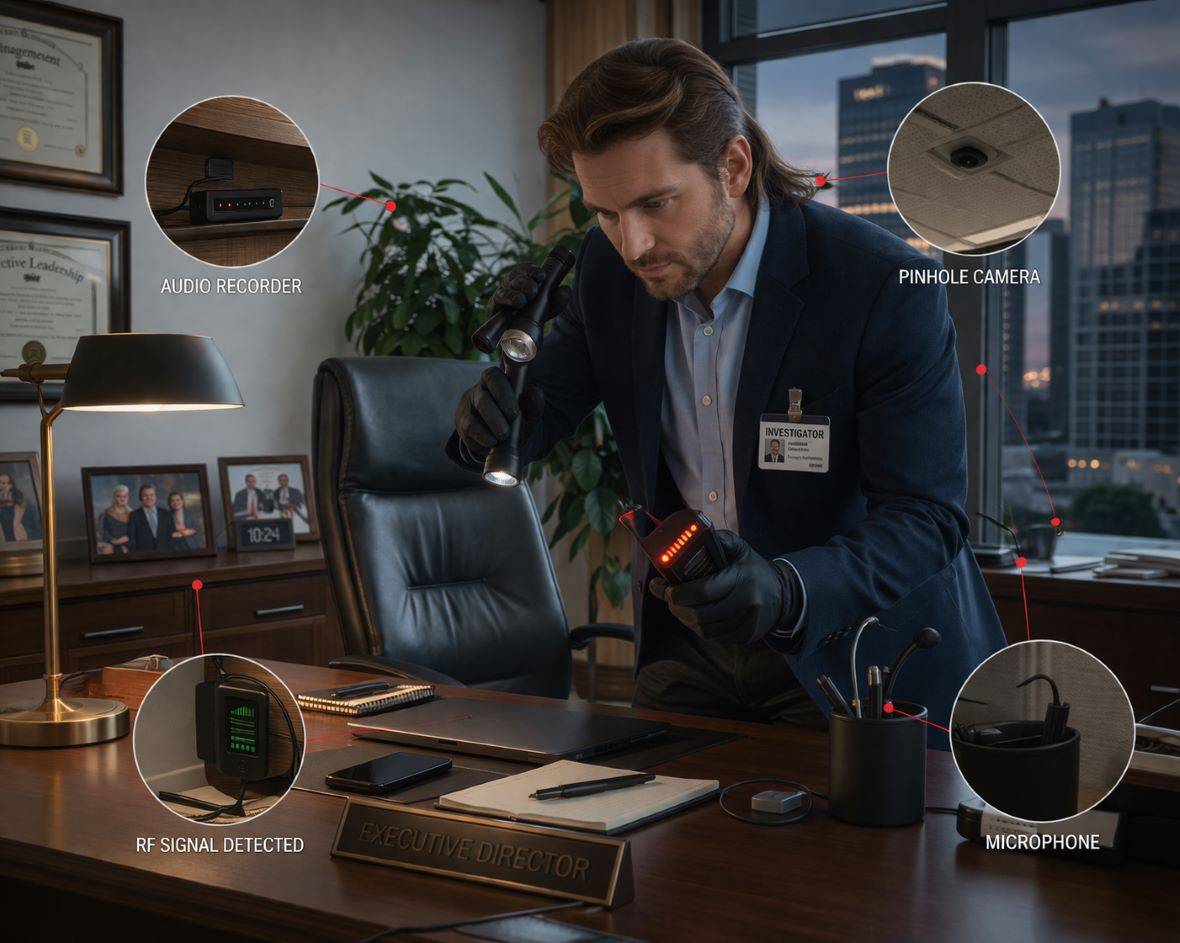
Secret monitoring is where risk rises fast. In many situations, covert surveillance is restricted, and recording private conversations can trigger stricter rules again. Video can be sensitive, and audio is usually more sensitive.
This is general information, not legal advice. If you’re making decisions about monitoring, get advice that fits your state or territory and your exact setup.
Notice and workplace policies: the difference between fair monitoring and a nasty surprise
“Notice” isn’t a vague heads-up in a meeting. It’s the difference between staff feeling informed and staff feeling ambushed.
In real workplaces, notice often looks like signed onboarding paperwork, an IT acceptable use policy, log-in banners on laptops (“activity may be monitored”), CCTV signs at entrances, and written confirmation that work vehicles have GPS. For remote workers, it can include a short addendum that explains what the company can see on managed devices and company accounts.
A good monitoring policy doesn’t need to be long, but it should be specific. It should explain what’s being monitored, when it occurs, why it’s necessary, who can access records, how long data is retained, and how complaints are handled. Clear notice protects both sides, because it reduces arguments later about “I didn’t know” and “you never said.”
Privacy, surveillance, and listening laws: why the rules change by location
Australia has privacy obligations, as well as state and territory surveillance and listening laws that can shift the rules depending on where the work is done. A national business with staff in different states can’t assume one approach fits all.
High-level rule of thumb: audio recording without consent is often unlawful in many day-to-day situations, even when video recording in open work areas is common. Tracking and camera use can also have different limits depending on local laws and the context.
One simple but often missed point: check the rules where the employee is working, not just where the business is registered. A remote worker in a different state can change the compliance picture.
What a company can monitor, what is risky, and what is usually off-limits

Think of monitoring like a security camera in a shop window. Point it at the counter to reduce theft, and most people understand why it’s there. Point it into the change room, and it’s clearly over the line. Workplace monitoring works the same way: it needs a real reason and a light touch.
Across most monitoring types, these choices reduce risk: give notice, tie monitoring to safety or business needs, limit the scope, and avoid collecting sensitive personal details unless there’s no other option.
The common risk areas look similar across industries:
- Secret monitoring without strong grounds and legal checks
- After-hours monitoring that follows people into their private time
- Capturing sensitive personal information, like health details or private messages
- Audio recording, which can be unlawful even when the video is acceptable
- Monitoring private devices (BYOD) without a tight, written agreement
Remote work and BYOD are where lines blur. If an employer installs tracking or management tools on a personal phone “for email,” that tool can sometimes see more than expected. If it’s not spelled out clearly, trust erodes quickly, and disputes get ugly.
Email, chat, and internet use on work devices: common, but not a free-for-all
On company devices and networks, employers commonly monitor email logs, browsing history, file downloads, and access to shared drives. Company chat tools (Teams, Slack, and similar platforms) can also be monitored when they’re work accounts.
Still, “company device” doesn’t mean “open season.” If an employee signs into a clearly personal account, employers should tread carefully unless there’s a serious, work-related reason and a proper process. A better approach is often to use automated alerts for risky behaviour, such as mass downloads or suspicious forwarding, rather than reading everything by default.
CCTV, body-worn cameras, and workplace audio: where consent and signage matter most
CCTV in public-facing areas, warehouses, and building entries is often used for safety and theft prevention. Body-worn cameras can also be used in higher-risk roles, such as security or frontline staff who deal with aggression.
But there are areas that are usually off-limits, like bathrooms, change rooms, and other places where privacy is expected. Access matters, too, because footage that everyone can pull up becomes gossip material fast.
Audio is the sharper edge. Recording sound can trigger listening laws and consent issues, even when a camera is otherwise allowed. Best practice is clear signs, restricted access, and short retention unless footage is needed for an investigation.
GPS in vehicles and phones: useful for safety, but watch after-hours tracking
GPS in fleet vehicles and work phones can help with job dispatch, route safety, verifying site attendance, and recovering stolen assets. Those are strong, practical reasons.
Problems start when GPS becomes a management habit rather than a safety tool, like watching someone’s lunch break minute by minute or tracking a vehicle parked at home after hours. Safeguards help: define tracking hours, limit who can view location data, and offer privacy mode where it’s reasonable and safe.
How to do monitoring the right way, and when to bring in outside help

Monitoring should feel like a seatbelt, not a hidden microphone. For employers, the goal is to reduce risk without creating a workplace where everyone assumes they’re under suspicion.
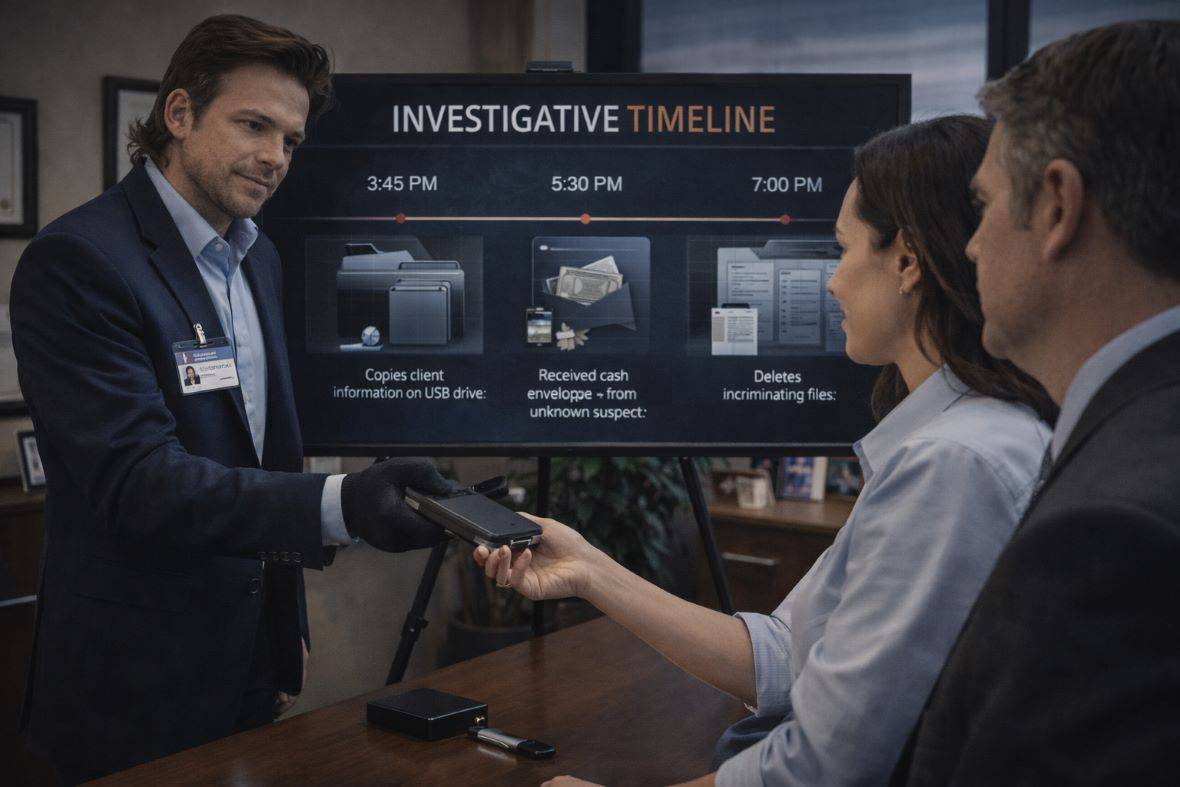
Start with a clear process. Define the problem, decide what proof you actually need, and choose the least intrusive way to get it. If the situation could end in discipline or dismissal, handle evidence carefully, keep records secure, and document why each step was taken.
When the stakes are high, some employers engage a Private Investigator Australia for independent fact-finding, or broader Private Investigation Services for cases like fraud, theft, harassment, moonlighting, or workers’ comp concerns. Outside help doesn’t remove your responsibilities. It only works when the scope is lawful, tight, and fair. For a useful reference point on boundaries, read these Australian private investigator legal guidelines.
Employees also have options. Read your workplace policies, ask HR what’s monitored and when, and keep personal accounts off work devices where possible. If something feels wrong, raise it early and keep notes of what you’ve observed.
A simple monitoring checklist that reduces legal and trust problems
- Define the risk you’re trying to reduce
- Pick the least intrusive method that can work
- Update the policy so it matches real practice
- Give clear notice (signage, onboarding, written comms)
- Limit access to people with a genuine need
- Secure storage with controls and logs
- Set retention rules and delete when no longer needed
- Review regularly as roles and tech change
- Document reasons for monitoring decisions
Using Private Investigation Services without creating new legal risks
External investigators can help when internal teams can’t stay neutral, or when skills and tools are needed quickly. That might include digital evidence, surveillance in public places, or structured witness inquiries. In some matters, technical work may also be relevant, such as employee screening, private investigator ustralia, where evidence handling and chain of custody are important.
When you engage an investigator, ask how they stay within the law, how they’ll handle evidence, and what their reports include. Confirm licensing for the relevant state or territory. Don’t ask for illegal acts, such as hacking, trespassing, or unlawful audio recording. The goal is clean facts that stand up under scrutiny, not “gotcha” footage that backfires.
Legally Monitoring Employee’s in Australia

Employee monitoring in Australia can be legal, but it needs clear notice, a real reason, and a measured approach. Employers who update policies, train managers, and limit data access usually avoid the worst outcomes, both legal and cultural. Employees should read workplace policies closely and ask questions early, before assumptions turn into conflict.
If a situation is serious, get proper advice and consider Private Investigation Services for lawful, professional fact-finding, rather than improvised surveillance that can undermine trust and create new legal risk. For many businesses, the calm, documented approach is the one that holds up later, when it matters most. For more context on when outside help makes sense, see 5 reasons to hire a local private investigator.
FAQ: quick answers to common employee monitoring questions in Australia
Can my boss read my emails and Teams or Slack messages?
If you’re using a work account on a work device, it’s more likely to be allowed when there’s a clear policy and notice. Many employers monitor logs and access patterns, and sometimes review content if there’s a real reason. Monitoring personal accounts is far harder to justify. Check your IT policy and ask HR what’s actually monitored.
Is it legal to track me with GPS in a work car or work phone?
GPS tracking can be lawful for safety and operations, especially when you’ve been told it’s in place. After-hours tracking is a common problem area, and it can feel intrusive fast. Ask for the tracking policy and the hours when tracking applies.
Can an employer secretly record me at work?
Covert monitoring is high-risk and often restricted, especially when it involves audio. The rules vary by state and by context, so details matter. If you think a secret recording happened, get legal advice. Employers should also get advice before attempting any covert approach.

Written by the Triumph Australia investigations team. We work for insurers, claims managers, employers and law firms on surveillance, fraud and due diligence matters Australia-wide.
GORA Investigations Pty Ltd, NSW Master Licence 412080174.