Last updated:
Recording may seem straightforward, especially since phones can capture everything these days. However, in Australia, it’s often more complicated. Laws vary by state, and private areas such as homes, workplaces, and vehicles generally afford greater privacy.
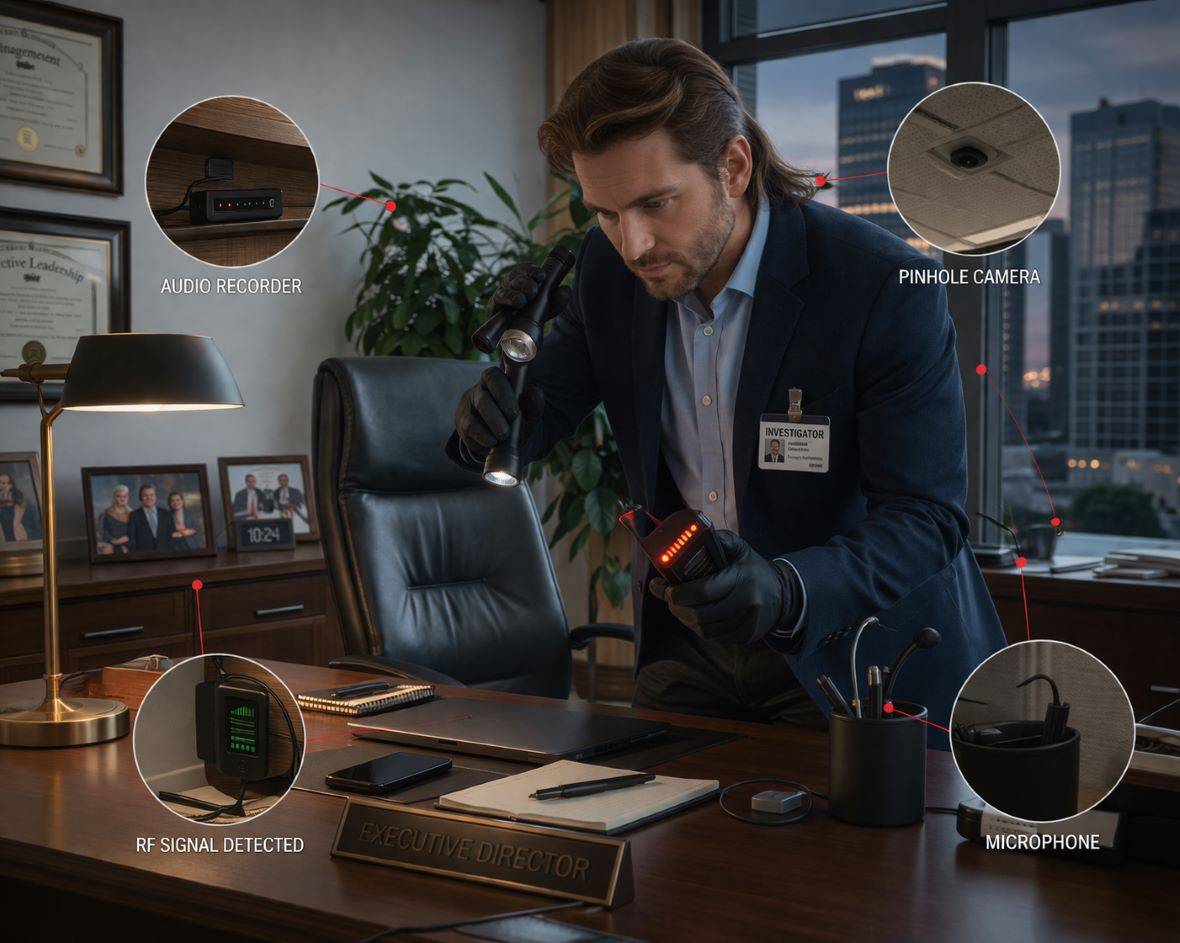
This article focuses on audio and video recordings made with devices such as phones, hidden cameras, or bugs, rather than conventional note-taking or memory-based accounts. Please note that this is general information and not legal advice, so it’s important to seek tailored guidance for your specific situation. Additionally, a private investigator in Australia must adhere to the same recording laws as everyone else.
Start with the basics: why private recordings are so restricted
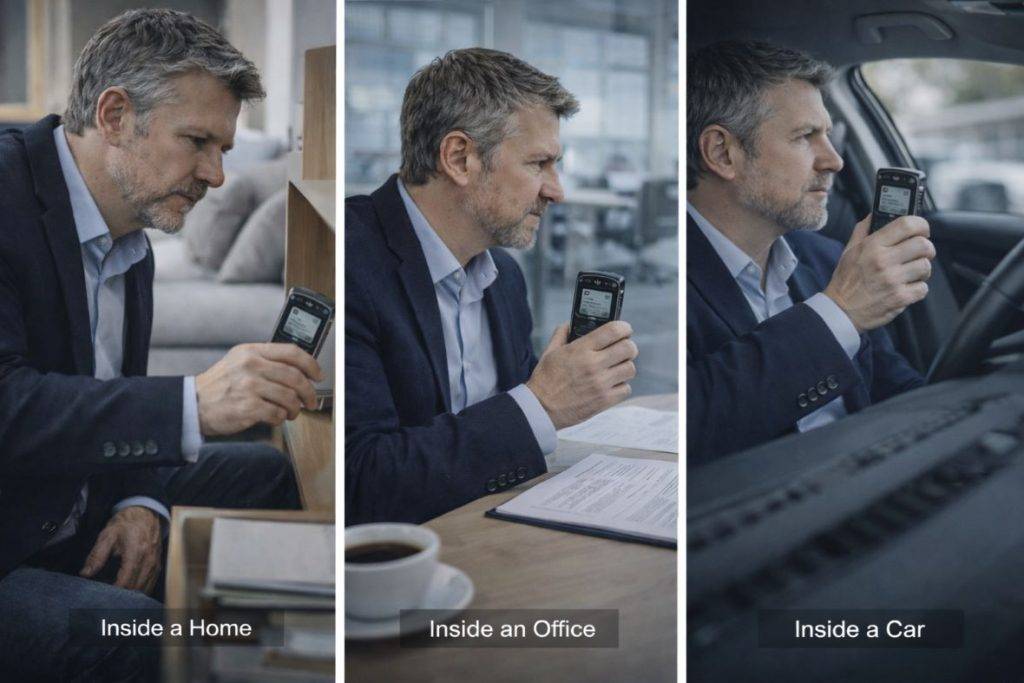
Most recording rules are based on two main concepts: private conversations and a reasonable expectation of privacy.
When people believe they are speaking privately, the law typically views a secret audio recording as a serious invasion of privacy. For instance, a discussion in a living room, a meeting in a closed office boardroom, or a conversation inside a parked car can all be considered “private.”
Simply being hired by a client does not grant special privileges; having a license does not entitle you to record. Often, the crucial distinction lies in how the recording is conducted: being part of a conversation is treated very differently from secretly planting a recording device, leaving a phone running, or capturing audio from individuals who are unaware they are being recorded.
Audio is usually the biggest legal risk
Audio recording commonly triggers the strictest rules. Using a listening device without the right consent can lead to criminal charges, civil claims, and problems with an investigator’s license. Penalties can include fines and, in some states, jail time.
If it’s a private conversation, a secret audio recording is often the fastest way to turn “useful evidence” into “legal headache.”
Video can still be illegal, even without sound
Silent videos recorded in private places can still cross the line, especially when someone expects privacy (bedrooms, bathrooms, changing areas). Even in an office, hidden cameras can raise privacy, stalking, or workplace law issues. Add sound, and the audio rules may apply too.
Consent rules change by state; here is a short guide for the rules of consent
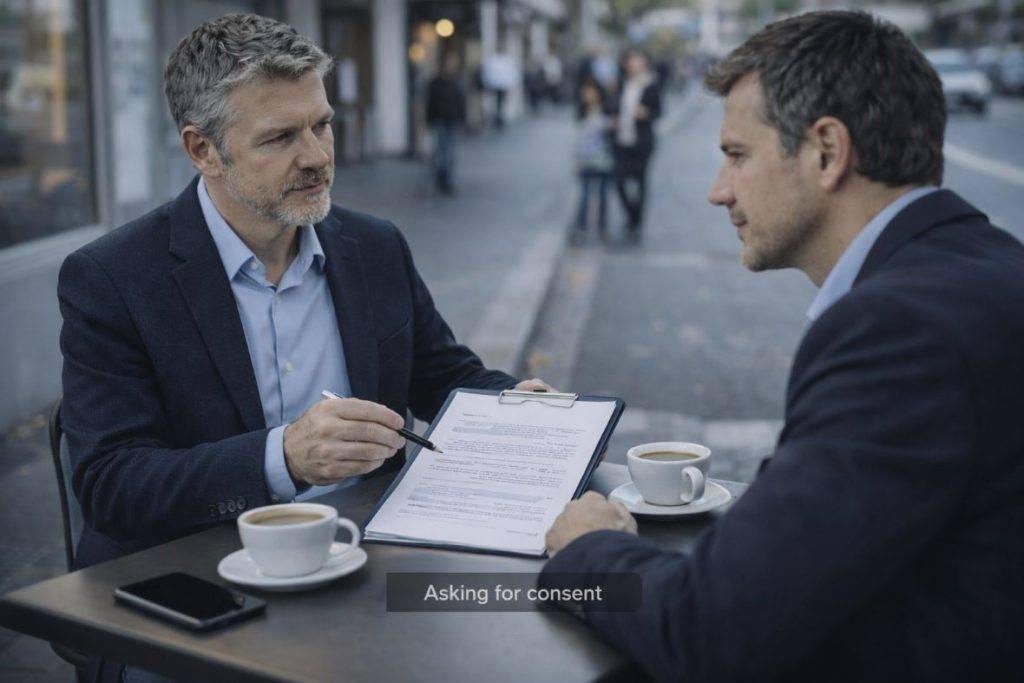
State laws don’t match, so “legal in one place” can be illegal in another. NSW, Victoria, and Queensland often come up because their consent rules differ, and rules can also restrict sharing or publishing recordings after the fact.
If you’re considering lawful observation work instead, start with professional surveillance services designed for compliance.
NSW and Queensland: generally, everyone must agree
In NSW and Queensland, audio recording a private conversation usually needs everyone’s consent. That applies whether it’s in a home, an office, or a car. Narrow exceptions can exist (such as protecting lawful interests), but they’re limited and risky for evidence gathering.
Penalties can include fines and possible jail. NSW law, for example, can reach significant fines and up to 5 years imprisonment for serious breaches, and publishing an unlawful recording can also be an offence.
Victoria: One person can consent, but that does not mean “record anywhere”
Victoria often allows one-party consent for audio, but only when the recorder is actually part of the conversation. Still, secret videos recorded in private places can create major issues, and workplace policies may ban recording even where state law seems more permissive. Other laws (harassment, stalking, privacy) can also bite.
If you need evidence, what to do instead of risking an illegal recording
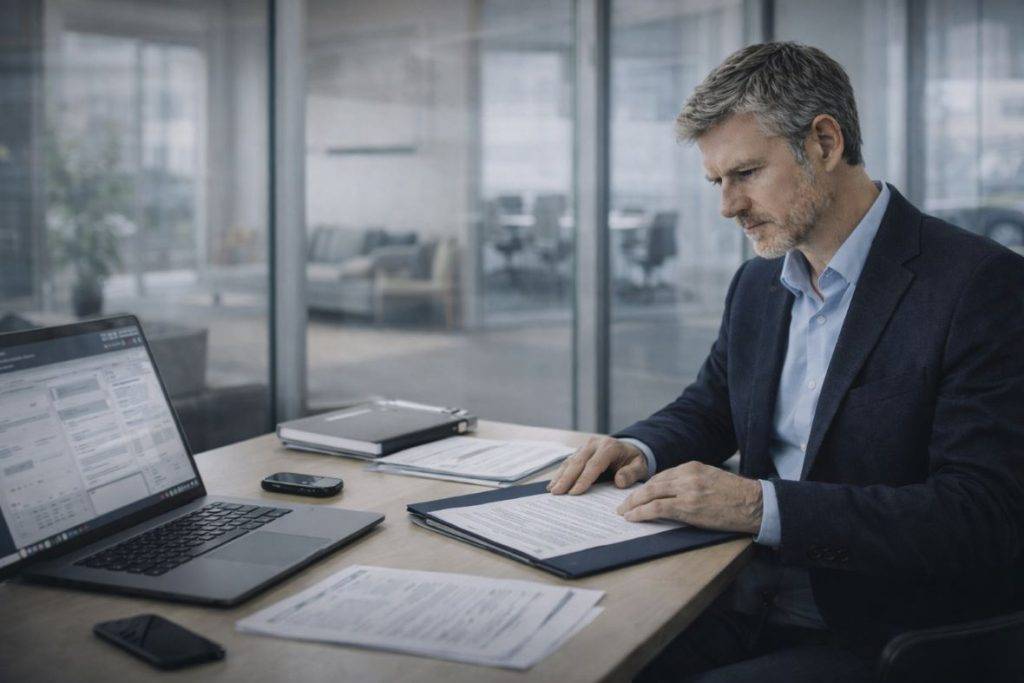
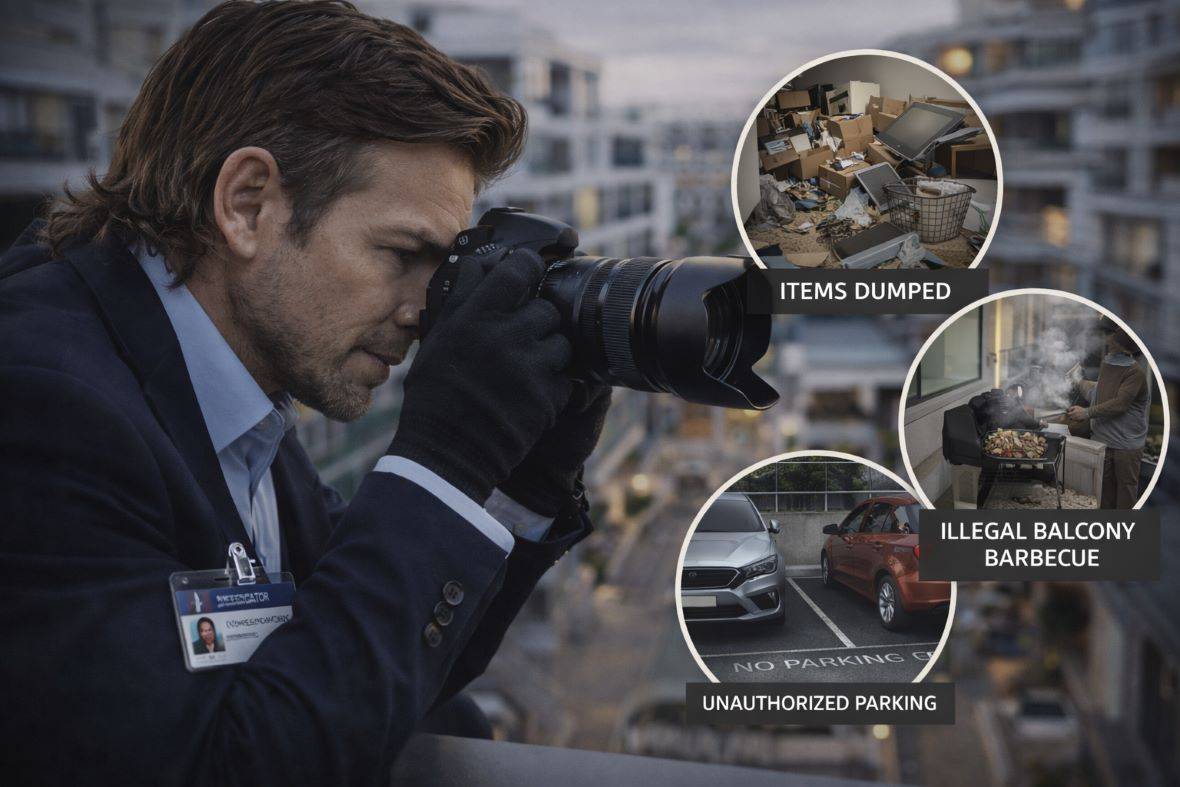
Good evidence doesn’t have to be a secret recording. Safer options include documented observations, photos or video taken from lawful public vantage points, witness statements, and lawful records checks. When consent recording is appropriate, get it clearly and early.
Courts sometimes admit recordings even if they were made improperly, but that doesn’t make it legal to make them. For an overview of compliant approaches, see how we conduct private investigations.
Questions to ask before any recording happens
- Where will it be recorded? Home, office, or car usually raises privacy risk.
- Will sound be captured? Audio often triggers the strictest rules.
- Who will consent? “All parties” versus “one party” depends on the state.
- Which state law applies? The location of the recording matters.
- Is the recorder part of the conversation? That can change the legal test.
- How will it be stored or shared? Sharing can be illegal, too.
Conclusion
Recording inside homes, offices, and cars is high-risk because privacy expectations are strong. Consent rules also vary, with NSW and Queensland generally stricter, and Victoria often different for audio. Penalties can include fines, jail, civil claims, and professional fallout. The safest path is to plan evidence around lawful methods and get advice early. If you’re unsure, speak with a licensed investigator or a lawyer before anyone hits record.
Frequently Asked Questions
1: Can a private investigator record inside a home, office, or car?
Sometimes, but it’s usually high-risk. These places are often considered private, and a PI must follow the same recording laws as everyone else.
2: Is audio recording the main legal problem?
Yes. Secret audio recordings of private conversations can trigger strict laws, with penalties such as fines, civil claims, licence issues, and, in some states, jail time.
3: Does the law change between NSW, QLD, and VIC?
Yes. NSW and QLD generally require consent for private audio recordings. VIC often allows one-party consent only if the recorder is part of the conversation—other privacy rules can still apply.
References:
Australian Law Reform Commission. (2010, August 16). Private investigators. In For your information: Australian privacy law and practice (ALRC Report 108), Chapter 44: New exemptions or exceptions.
Office of the Information Commissioner, Queensland. (2023). Camera surveillance, video, and audio recording – a community guide. https://www.oic.qld.gov.au/guidelines/for-community-members/Information-sheets-privacy-principles/camera-surveillance,-video,-and-audio-recording-a-community-guide

Written by the Triumph Australia investigations team. We work for insurers, claims managers, employers and law firms on surveillance, fraud and due diligence matters Australia-wide.
GORA Investigations Pty Ltd, NSW Master Licence 412080174.