Last updated:
Thinking about hitting record before a tough chat? In Australia, the rules turn on where the recording happened, because each state and territory has its own surveillance and listening device laws. Also, “admissible in court” isn’t the same as “legal to record.” A judge can reject a recording even if you made it lawfully.
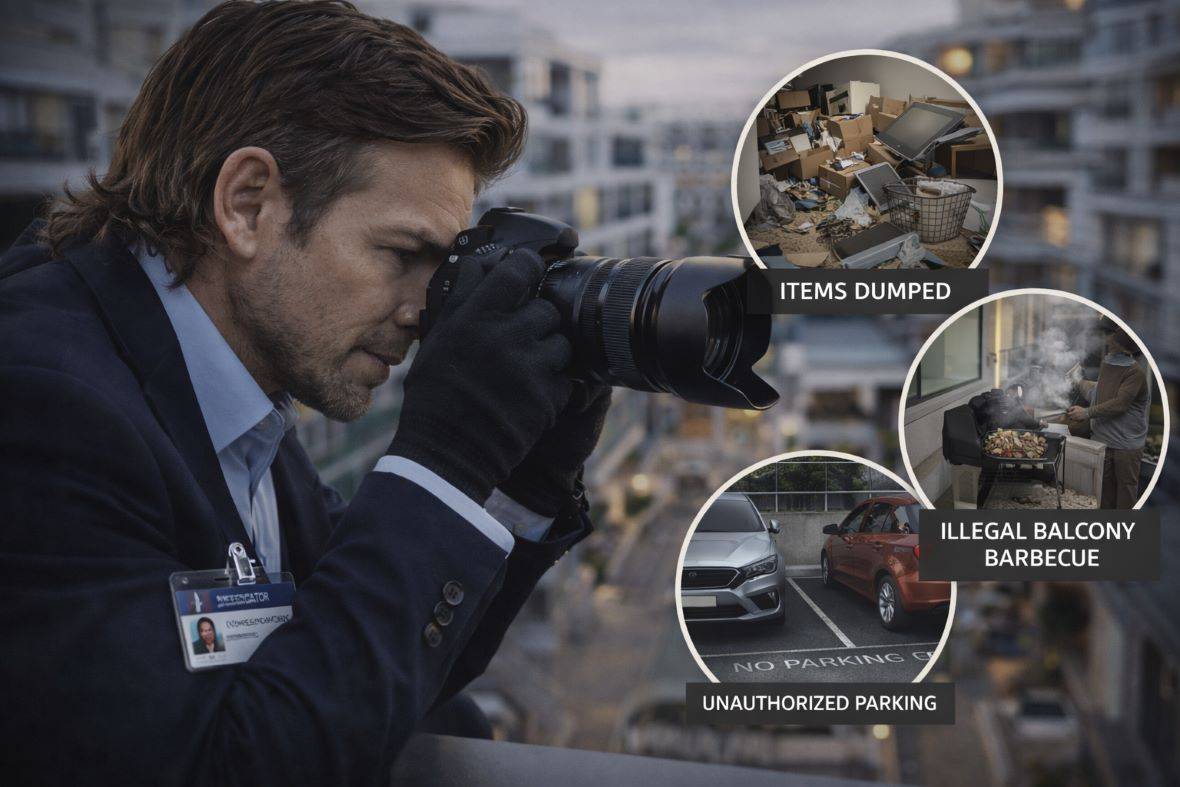
People often ask a Private Investigator in Australia to help collect evidence, especially in family, workplace, or fraud matters. Still, the same recording laws apply to everyone. This is general information only, not legal advice.
Start with the two big tests: was it legal to record, and will a court still let it in?

First, ask whether the recording was made and shared legally under your state or territory’s surveillance laws. A smartphone usually counts as a listening device. That matters because rules about “private conversations,” consent, and publishing or sending recordings can create offences even when your motives feel reasonable. If you’re unsure, get a clear overview of the Australian private investigator’s legal limits.
Second, even if a recording was improperly or illegally made, a court may still admit it. In many courts that use the uniform Evidence Acts, Evidence Act s 138 guides the decision. Judges weigh the helpfulness of the evidence against the harm of improper conduct. Family law matters can also be more flexible at times, especially where child safety is in issue, but the court may reduce the weight given to the recording or exclude it if it’s unfair.
Consent and “private conversation” basics most people get wrong
A “private conversation” is usually one where a person would reasonably expect privacy. A chat in your kitchen is more likely to be private than one on a busy footpath. A workplace meeting can still be private, even in an office.
Consent rules vary. In some places, a party to the conversation can record without telling the other person. In others, you generally need everyone’s consent, unless an exception applies. Phone calls are often treated as private conversations, even when you’re calling from a public place.
If it was recorded illegally, can it still be used anyway?
Sometimes, yes, but don’t bank on it. Courts often balance factors like: how important the recording is, how serious the privacy breach was, whether it was deliberate, and whether you could have proved the point another way.
A recording that proves a serious safety risk may be treated differently from one made out of curiosity or to “catch someone out.”
Even then, admission isn’t guaranteed, and the person who recorded it may still face legal consequences.
Examples of recordings that are often court-ready, and ones that usually backfire
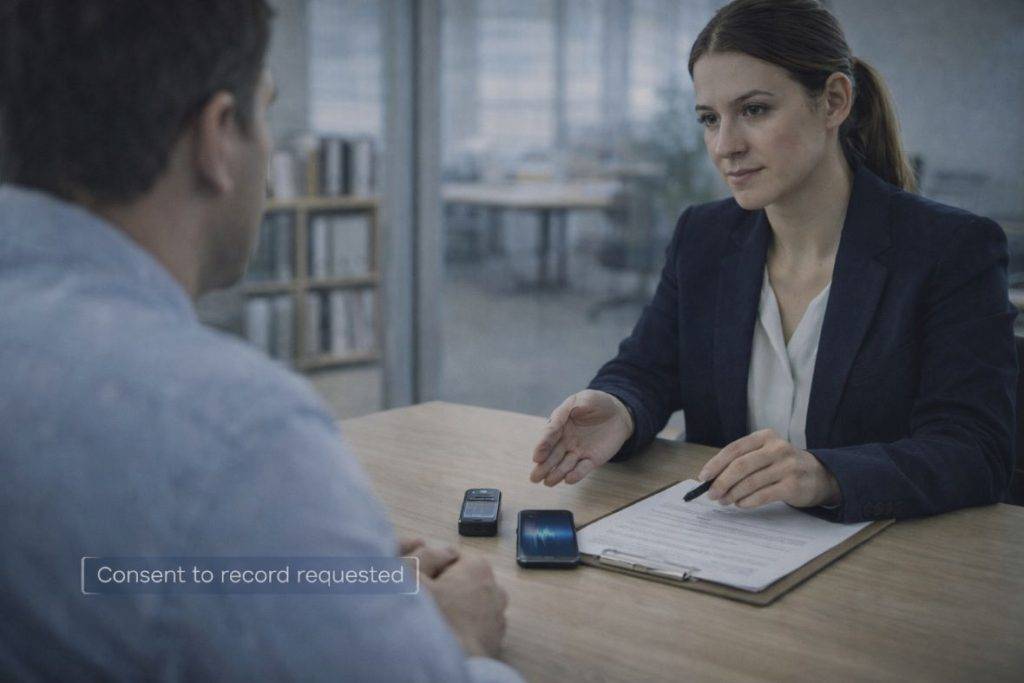
Context is everything, because the same audio can help in one case and hurt in another.
Usually helpful: you are part of the conversation and have a clear lawful reason
If you are present during a child changeover and the audio captures threats, courts may take that into consideration, especially if it highlights safety concerns. In civil disputes, a recorded call regarding a debt or contract in which you are a party can help confirm important terms. In workplace situations, documenting direct harassment you experience can be significant, provided the recording is lawful and complete.
Often excluded: recording other people, recording kids secretly, or recording “just in case” for months
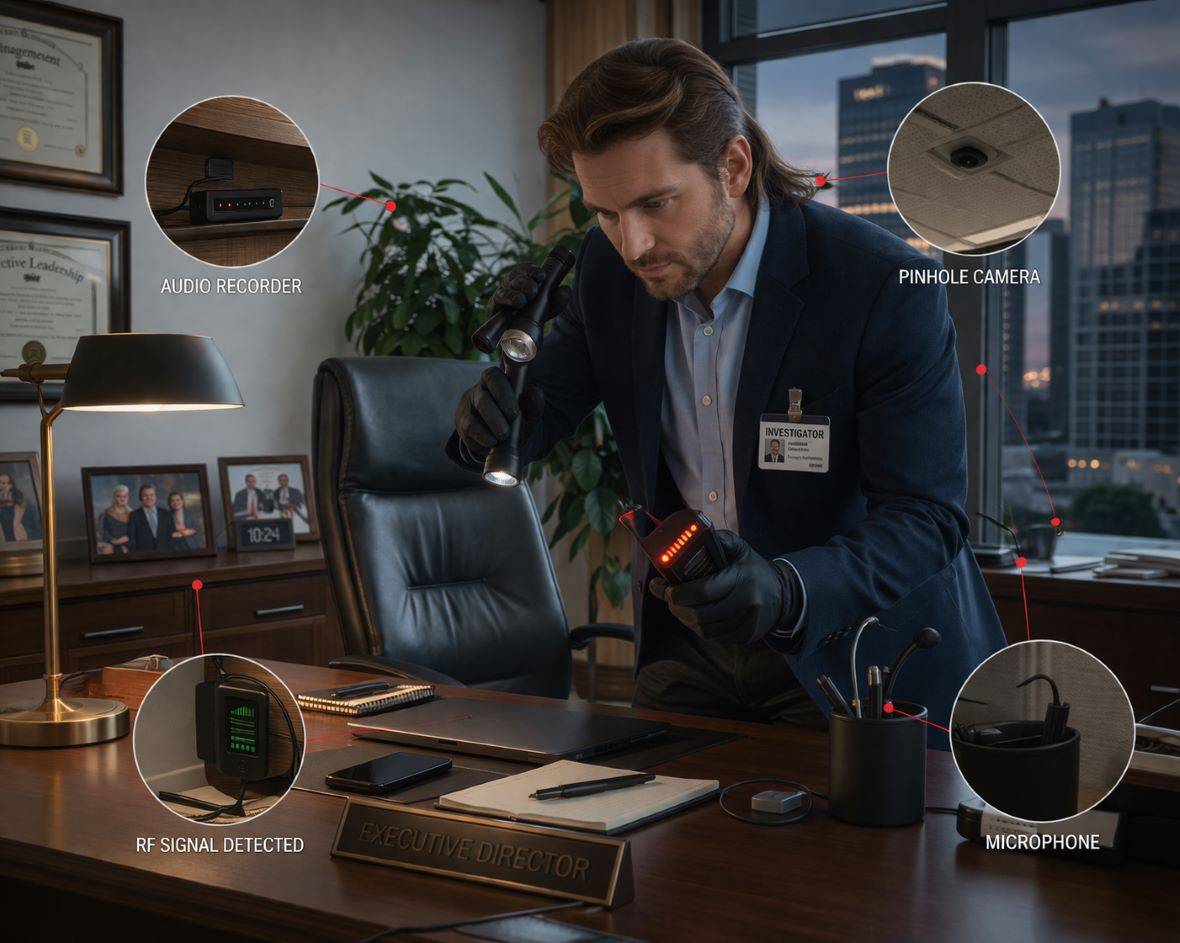
Leaving a recorder in a room when you’re not there is high-risk. Secretly recording a child’s private chats with the other parent often raises serious privacy and trust concerns. Long, selective collections can also backfire, especially if they lack context, appear edited, or you can’t produce the original file. Courts worry about reliability, unfair prejudice, and overreach. For background on lawful boundaries, see surveillance laws explained Australia.
Types of audio evidence and what makes it credible in court
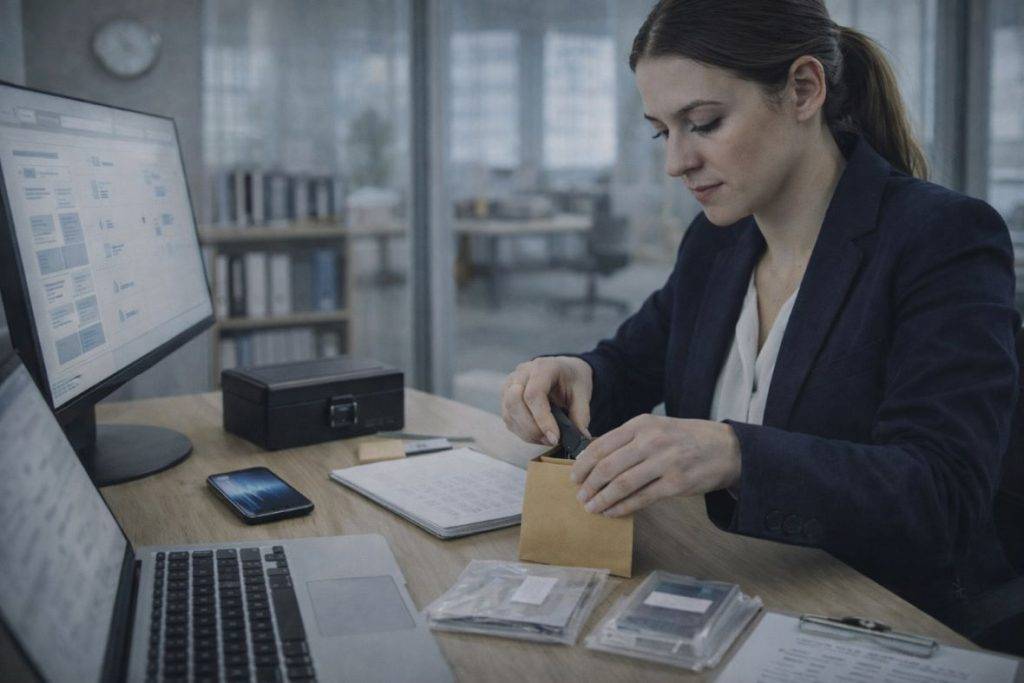
Common formats include phone recordings, voicemails, body-worn audio (if lawful), CCTV with sound (if permitted), meeting recordings, and voice notes from messaging apps. “Court-ready” usually means you kept the original file, didn’t edit it, and can note the date, time, and location. Secure backups help, too. Transcripts are useful, but the audio is primary, and the other side can challenge the transcript.
Authenticity and chain of custody in simple terms
The court wants confidence that the recording is real and complete. Metadata, consistent file history, and a clear explanation of who recorded it and why can help. If a Private Investigator is involved, careful handling and documentation can protect the evidence’s value.
Conclusion
Recorded conversations in Australia can be powerful evidence, but admissibility depends on consent rules, exceptions, and the court’s fairness balancing (including Evidence Act s 138 in many courts). Always check the law for the state or territory where the recording happened, and get tailored legal advice before sharing it. Keep unedited originals and solid notes, because good handling often makes lawful evidence stronger.
Quick FAQs people ask before they hit record
Can I record my ex during a handover if I feel unsafe?
It’s often more likely to be considered if you’re present and it shows threats or violence, especially in child-safety cases. Still, legality and admissibility depend on local law and the court’s balancing.
Can a Private Investigator record someone for me without them knowing?
Usually risky. A PI must follow state and territory surveillance laws, and outsider recordings are more likely to be illegal and excluded unless a narrow exception applies.
If I already recorded it, should I delete it if it might be illegal?
Don’t destroy potential evidence. Get legal advice quickly on what you can keep, how you can use it, and whether you can disclose it safely.
References:
Australian Law Reform Commission. (2010, August 16). Private investigators. In For your information: Australian privacy law and practice (ALRC Report 108), Chapter 44: New exemptions or exceptions.
Office of the Information Commissioner, Queensland. (2023). Camera surveillance, video, and audio recording – a community guide. https://www.oic.qld.gov.au/guidelines/for-community-members/Information-sheets-privacy-principles/camera-surveillance,-video,-and-audio-recording-a-community-guide

Written by the Triumph Australia investigations team. We work for insurers, claims managers, employers and law firms on surveillance, fraud and due diligence matters Australia-wide.
GORA Investigations Pty Ltd, NSW Master Licence 412080174.