The world of private investigation has changed more in the last twelve months than in the previous ten years. You might still picture an investigator as someone sitting in a dark car with a long camera lens; however, that image is quickly becoming a thing of the past. As 2025 draws to a close, the way truth is found has shifted toward data, speed, and complex digital trails. While the core goal of uncovering hidden facts remains the same, the tools used to achieve it are almost unrecognisable compared to what worked just a few years ago. You now live in a time where a smartphone can be more dangerous to a subject than a hundred physical tailing missions.
Success in this field used to depend on patience and a sturdy pair of shoes. Today, it depends on how well an investigator can navigate the vast amounts of information living on the internet. Whether it’s a family matter, a corporate fraud case, or a missing person search, the modern investigator must be a technical expert first. You’ll find that the industry has flipped its priorities to meet the aggressive needs of a modern, connected society. It’s a professional world that demands more transparency and faster results than ever before.
New Tech Standards for Private Investigators

Technological growth used to be a slow climb, but in 2025, it feels like a vertical sprint. For private investigators, high-end tech has moved from a shiny luxury to a basic requirement for every single file. You can’t just show up with a notebook and expect to solve a case. Most modern investigations now begin and end at a computer screen. Digital tracking and data analysis have replaced many of the manual tasks that used to take days or weeks of physical labour.
If you’re looking for someone today, you aren’t just looking for their physical body. You’re looking for their digital ghost. This means analysing photo metadata, tracking location pings from smart devices, and monitoring cryptocurrency transactions. Remote tools allow an investigator to watch a location from hundreds of miles away using high-definition cameras connected to the cloud. This change reduces the risk of being spotted while increasing the amount of usable evidence collected.
Traditional surveillance has not died, but it has certainly taken a backseat to digital methods. In 2025, physical tailing is often the final piece of a puzzle rather than the starting point. Investigators use specialised software to sift through billions of public records in seconds. They look for patterns in spending, travel, and social interactions that no human eye could catch on its own. This shift toward data-heavy work means the modern professional needs to be as comfortable with code as they are with a camera.
Why Old School Methods Aren’t Enough Anymore
Imagine trying to follow a subject through a busy city using only your car and your eyes. In the past, this was the gold standard of the job. Today, it’s hazardous and often fails. Modern vehicles have more cameras and safety sensors, making it easier for a driver to notice they’re being watched. If you rely only on “old school” tailing, you’re likely to get “burned” or lose the subject in heavy traffic.
Compare that to using drone support or digital footprint tracking. A drone can stay high above the street, staying invisible while providing a bird’s-eye view of every turn a subject takes. Instead of guessing where someone is going, an investigator can often predict it by looking at GPS data or recent online check-ins. If you ignore these digital shifts, you risk providing your clients with outdated or incomplete information.
The risks of sticking to the old ways are high. You might miss a crucial piece of evidence that exists only in a deleted chat or a hidden social profile. Old methods also take longer, which drives up costs for the client without any guarantee of a result. In 2025, the market is too competitive for slow, manual processes that don’t produce clear, undeniable proof.
Private Investigation Lessons Learned from a Year of Change

The end of 2025 has brought many lessons for those in the world of private investigation. The biggest takeaway is that the industry is no longer about mystery; it’s about clarity. You’ll notice that clients aren’t interested in the “mysterious investigator” trope anymore. They want professionals who can explain their findings in simple terms and provide evidence that holds up in court or at a corporate board meeting.
The demands on investigators have shifted toward two main things: transparency and speed. In the past, an investigator might go “dark” for a week while they worked a case. That won’t work today. Clients expect to see progress as it happens. They want to know their money is being spent wisely and that the truth is delivered as soon as it’s discovered. This has forced the industry to adopt a more service-oriented mindset.
| Priority Change | 2015 Standards | 2025 Standards |
| Reporting | Weekly Paper Reports | Real-Time App Updates |
| Evidence | Grainy Photos | 4K Video and Metadata |
| Communication | Phone Calls | Encrypted Instant Messaging |
| Focus | Physical Tailing | Digital Footprint Analysis |
Active communication has become the backbone of a successful case. You have to be able to talk to your clients in a way that makes them feel involved without compromising the integrity of the work. This year has shown that the best investigators treat their clients like partners. By being open about the process, you build trust that often leads to better information and more successful outcomes.
The Shift in Client Expectations
You’ve likely noticed that people are more impatient than they were five years ago. This “on-demand” culture has hit the investigation industry hard. Today’s client grew up with internet speeds that provide answers in milliseconds. When they hire private investigators, they expect a similar level of efficiency. They don’t want to wait for a mailed report; they want a notification on their phone the moment something significant happens.
The 2025 client is also much more tech-savvy. They often come to an investigator after they’ve already tried some basic online searching themselves. This means you have to provide value that goes beyond what a regular person can find on Google. You have to prove that your specialised tools and legal access give a deeper level of truth. Clear communication confirms that you are doing the work they can’t do themselves.
Ethical Challenges in a Digital World

As technology makes it easier to find information, the laws have become much stricter about how you can use that information. In 2025, ethical hurdles are at an all-time high. New privacy laws have been passed to protect citizens from over-reaching surveillance. For a private investigator, this means walking a thin line between doing your job and breaking the law.
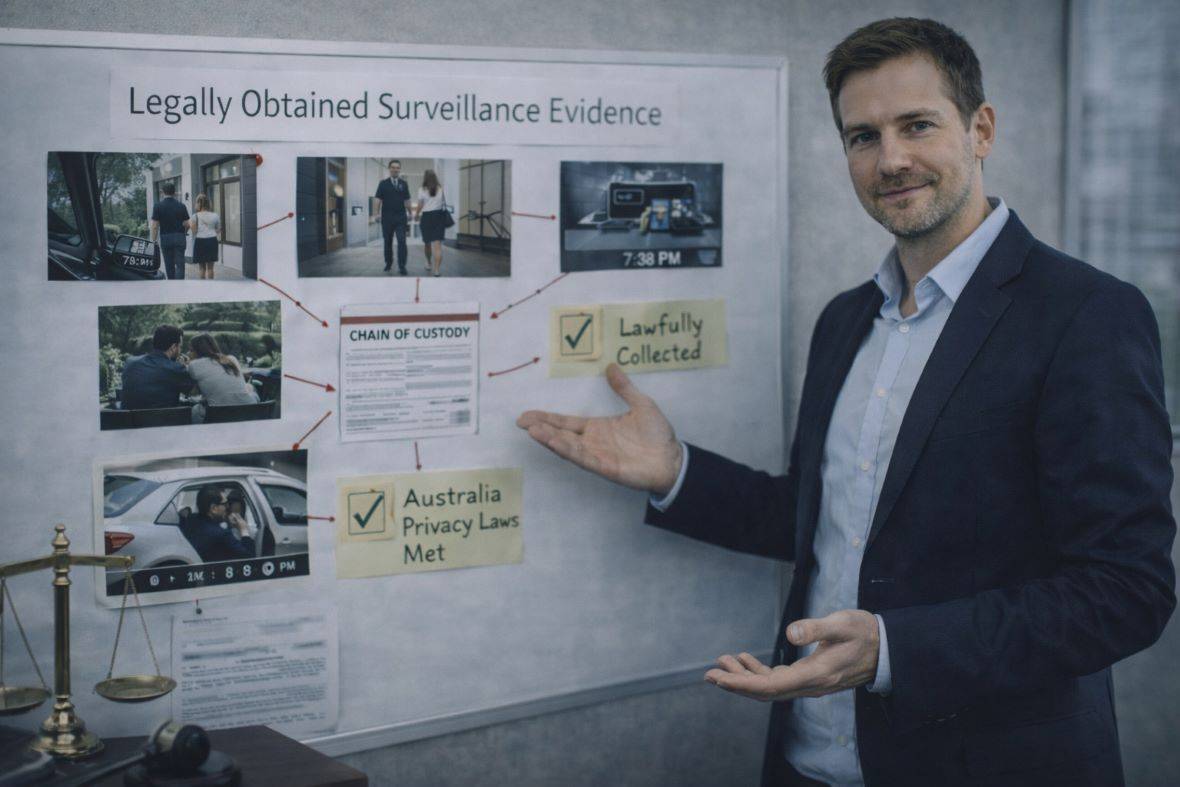
You must balance the need for results with a deep respect for data protection rules. It’s no longer enough to just “get the info.” You have to get it legally and ethically. If you collect evidence illegally, it becomes useless in court. Worse, it could lead to lawsuits or the loss of your professional license. Staying within these boundaries is more complicated than ever because the tools available can do so much.
The moral side of the job is also under a microscope. You have to ask yourself if specific methods are proper, even if they’re technically legal. This includes how you handle sensitive data and how you interact with people during an investigation. Professionals who cross these ethical lines often find themselves out of work as clients seek investigators of high integrity.
Privacy Laws and Modern Surveillance
The legal landscape in 2025 is a patchwork of new rules regarding the “right to be forgotten” and data privacy. Many states have passed laws that limit the harvesting of digital data without a person’s direct consent. This has changed the way private investigators use social media and public databases. You have to be sure that the software you use complies with these changing rules every single day.
Staying within the law is your best defence. When you present evidence in court, the first thing the opposing side will do is attack the way you gathered it. If you can show a clear, legal path to your findings, your evidence stays valid. This makes legal knowledge just as crucial as your surveillance skills. It’s about being a competent professional who knows the rules of the game back to front.
Privacy laws aren’t just obstacles; they are safeguards for the industry. They ensure that only qualified, ethical professionals remain in business. By following these rules, you show your clients that you’re a legitimate expert who takes the gravity of your work seriously. This level of professionalism is what separates the best investigators from those who are just “playing detective.”
Future of Private Investigation in 2026
As you look back at the demands that have reshaped private investigation in 2025, one thing is clear: standing still is the same as falling behind. The tools of the trade have evolved from analog to digital, and clients’ expectations have followed suit. You’ve seen that modern success depends on your ability to combine “street smarts” with technical expertise and a deep understanding of the law. The private investigators who have thrived this year are those who viewed these changes as opportunities to improve rather than as problems to solve.
The push for transparency and speed will only grow as we move toward 2026. You should expect even more integration between artificial intelligence and human intuition in the coming months. While technology will continue to offer new ways to track and analyse, the human element, the ability to think like a person and understand motives, will remain the most essential tool you have. The best in the business will be those who use the latest tech to enhance their instincts.
The industry will likely see even more regulation around digital data. This will continue to favour those who prioritise ethics and legal compliance in every case. If you’re looking for the truth, you have to be ready to adapt to the world as it is, not as it used to be. The future of investigation is bright, fast, and digital; and it’s waiting for those ready to lead the way.
Frequently Asked Questions (FAQ)
What specific tools and software do modern private investigators use for data analysis?
Modern private investigators use OSINT(Open-Source Intelligence) tools, secure public record databases, digital forensics software, and data analysis platforms to identify patterns, verify identities, and build timelines. These tools help investigators analyse large volumes of lawful data quickly while ensuring evidence remains accurate and court-ready.
How do private investigators ensure the legality and ethics of using digital surveillance methods?
Private investigators ensure compliance with the law by accessing only lawful data, adhering to privacy and surveillance laws, and documenting the collection and preservation of digital evidence. Ethical investigators avoid unauthorised access, maintain strict chain-of-custody procedures, and ensure all findings can withstand legal scrutiny.
What training or skills are now considered essential for new investigators entering the field?
New private investigators need strong digital research skills, knowledge of privacy laws, OSINT techniques, and proper evidence handling. Equally important are communication, critical thinking, and ethical judgment, as technology supports investigations, but human insight determines accuracy and credibility.