The rising cost of false claims isn’t just a headache for large corporations; it’s a burden that trickles down to your own wallet through higher premiums and reduced coverage options. When scammers target the system, they’re essentially stealing from every honest policyholder. You might feel like there’s little to be done against such widespread dishonesty, but that’s where professional private investigations play a crucial role in reducing insurance fraud. 

Insurance Fraud Investigations serve as a critical defence, ensuring funds are reserved for those with legitimate needs rather than drained by opportunists. This article explores how modern investigators peel back the layers of deception to find the truth and protect your financial interests.

How Private Investigators Uncover Insurance Fraud
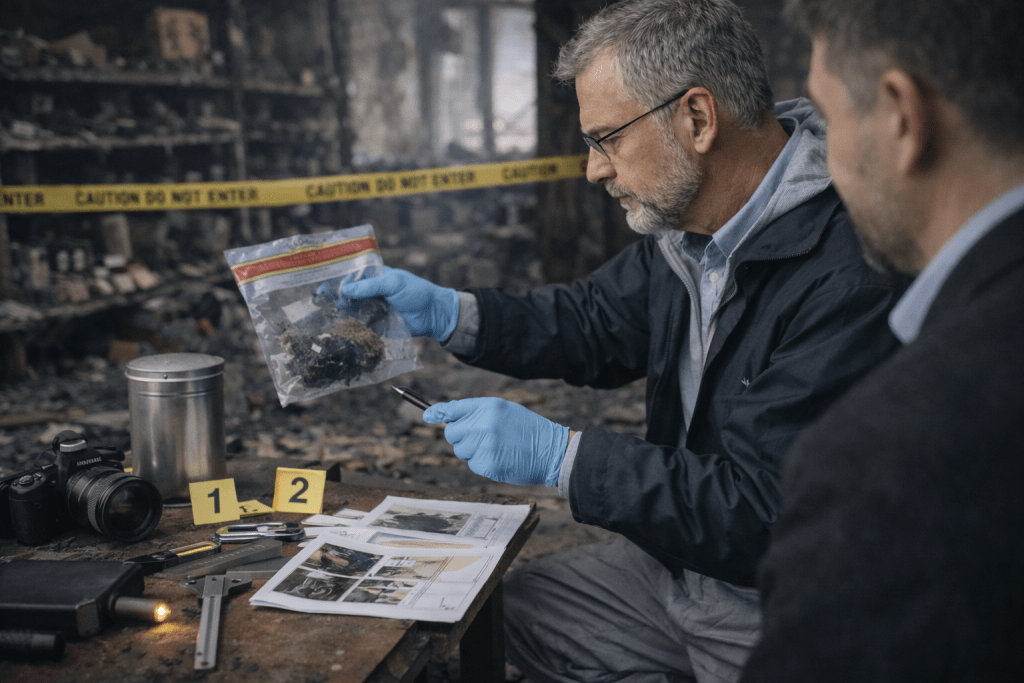
Impact of Private Investigations on Insurance Fraud Investigations. Impact of private investigations on insurance fraud investigations, including lawful evidence gathering, verification, and claim integrity.

Uncovering the truth in a suspicious claim requires a systematic approach to gathering facts. Experts in this field start by scrutinising the paperwork, which reassures claims managers and legal advisors that investigations are thorough and reliable.

To understand the impact of private investigations, it helps to know what actually counts as insurance fraud. People often ask, “What is considered exaggerating an insurance claim?” or “Why is insurance fraud so hard to prove?” The challenge is that many fraudulent claims are built around partial truths, vague injuries, or carefully timed inconsistencies. Recognising how private investigations uncover hidden truths highlights their importance for claims management and legal review.

Private investigators begin by methodically reviewing the paperwork. Claims forms, medical reports, timelines, and incident descriptions are examined for red flags such as conflicting dates, repeated medical providers, or explanations that don’t align with the physical evidence. This thorough approach reassures claims managers and legal advisors that the investigation is structured and evidence-based, fostering trust in the process.

The goal is always to provide evidence that holds up in a settlement meeting or in court. To do this, investigators interview witnesses to see if their stories match the official report. They often find that minor details provided by a bystander can contradict the entire narrative of a fraudulent claim. Inconsistencies that seem small on paper can become the primary reason a false claim is denied. By focusing on verifiable data rather than hearsay, these professionals ensure that every conclusion is backed by hard proof. For those looking to understand the depth of these processes, professional insurance investigation in Australia provides a clear framework for how these cases are managed from start to finish.

Surveillance Techniques and Digital Evidence

Modern investigations rely heavily on a mix of physical presence and digital footprints. If a person claims they can no longer walk without assistance due to a workplace injury, physical surveillance might tell a different story. When people ask, “Can private investigators legally conduct surveillance?” the answer is yes, when it’s done within the law. Surveillance is one of the most effective tools in insurance fraud investigations, especially in cases involving exaggerated or fabricated injuries.

For example, if a claimant insists they can’t walk or lift objects due to a workplace injury, physical surveillance may reveal them jogging, carrying heavy items, or performing manual labour at home. When surveillance contradicts a claim, it often becomes the deciding factor in denying fraudulent payouts.

Digital evidence has become just as essential as physical monitoring, providing claims managers and legal advisors with confidence in the investigation’s findings. Social media platforms are often the undoing of a fraudster. People frequently post photos of their vacations or physical activities, forgetting that their public profiles are valuable resources for investigators.

Beyond social media, expert computer and digital forensics allow investigators to recover deleted messages or track location data that proves a person wasn’t where they claimed to be during an incident. This combination of “boots on the ground” and “eyes on the screen” makes it clear that the evidence is robust, reassuring stakeholders of its credibility.

The Financial Benefits of Professional Investigation Services

Impact of Private Investigations on Insurance Fraud Investigations. Impact of private investigations on insurance fraud investigations, including lawful evidence gathering, verification, and claim integrity.

Professional Insurance Fraud Investigations do much more than just catch people in a lie; they save the industry and the public millions of dollars every year. When a fake claim is paid out, that money has to come from somewhere, and it usually results in everyone else’s monthly premiums going up. By stopping fraud before the check is mailed, investigators help keep insurance costs stable for you and your family. Catching even a single high-value fraudulent claim can offset the investigative costs of dozens of other cases, making it a highly efficient way to manage risk.

Beyond the immediate savings, professional investigations act as a powerful deterrent. When word gets out that a company uses specialised insurance investigation services to verify every suspicious detail, scammers are less likely to target them. This creates a safer environment for genuine claimants, as a constant influx of junk claims doesn’t bog down the system. You benefit from a faster, more reliable claims process because the resources are being used exactly where they are supposed to be. It’s about maintaining the integrity of the safety net that we all rely on during difficult times.

Legal Compliance and Verifiable Reporting

The difference between a DIY project and a professional investigation lies in legal compliance, which is crucial for claims managers and legal advisors. Professional investigators understand the strict privacy laws and ethical boundaries that govern their work. Another concern often raised is, “Is insurance fraud investigation legal in Australia?” The distinction between professional investigations and DIY evidence gathering is legal compliance. Privacy laws and ethical boundaries are strict, and evidence obtained illegally can void an entire case.

Professional investigators understand exactly where the legal lines are drawn. They gather evidence in public spaces, rely on lawful databases, and avoid methods that could compromise admissibility. This ensures that evidence can be used confidently in disputes, settlements, or court proceedings.

They also provide structured, professional reports that summarise their findings without all the confusing fluff. A good report is easy to read and gets straight to the point, highlighting the facts that matter most to a claims manager or a lawyer. This clarity is essential when a case moves toward a legal resolution. Having a clear, unbiased account of the facts ensures that the truth is the only thing that matters in the final decision.

Accountability in Action

Impact of Private Investigations on Insurance Fraud Investigations. Impact of private investigations on insurance fraud investigations, including lawful evidence gathering, verification, and claim integrity.

Private investigations are your best defence against the dishonesty that drives up costs for everyone. By valuing professional work and the pursuit of facts, we can protect the funds meant for people who genuinely need them. The impact of these investigations goes far beyond a single case; it reinforces the importance of truth across the entire insurance industry. When you choose to rely on experts, you support a system built on integrity and accountability.

FAQ: Insurance Fraud Investigations

What is the most common type of insurance fraud?

 The most frequent cases involve false or exaggerated injury claims. This includes people pretending to have back pain or “whiplash” that cannot be easily disproven by a standard X-ray, or claiming a workplace injury that actually happened while they were at home.

How long does a typical investigation take?

 Most investigations take a few weeks to complete. The timeline depends heavily on how many leads need to be followed, whether surveillance is required, and how quickly digital evidence can be retrieved and analysed.

Is the evidence gathered by private investigators legal?

 Yes, as long as the investigator follows local and federal privacy laws. Professional investigators are trained to gather evidence in public spaces and through legal databases, ensuring the evidence is admissible in court or in insurance disputes.

Impact of Private Investigations on Insurance Fraud Investigations

Introduction

Suspicious person caught in the act of committing insurance fraud in Australia

In today’s insurance landscape, Insurance Fraud in Australia has emerged as a critical issue. This blog post aims to shed light on the nature of insurance fraud, its impact, and most importantly, how to detect and prevent it. With a focus on clarity and simplicity, we aim to make this complex topic easily understandable.

Understanding Insurance Fraud

Before diving into detection and prevention, it’s essential to understand what insurance fraud is. Simply put, Insurance Fraud involves dishonest activities related to insurance processes. It can range from exaggerated claims to entirely fabricated incidents. Understanding the basics of What is Insurance Fraud is the first step in combating it. An insurance fraud investigator handles this type of cases

Types of Insurance Fraud in Australia

There are various forms of insurance fraud prevalent in Australia, each requiring a different approach to detection and prevention:

Personal Fraud

Personal insurance fraud in Australia typically involves individuals engaging in deceitful practices to exploit their insurance policies. Common tactics include exaggerating the severity of damage or injury, such as claiming a more expensive model of a stolen item or overstating the extent of damage in a car accident. Faked injuries are also prevalent, particularly in areas like workers’ compensation and personal injury insurance, where individuals may feign injuries to claim benefits.

Commercial Fraud

Commercial insurance fraud, on the other hand, encompasses fraudulent activities conducted by businesses. This can range from claiming for non-existent business losses, such as exaggerating the extent of damage due to fires or theft, to employee-related frauds where workers fake injuries or accidents to claim insurance money. 

Health Insurance Fraud

Health insurance fraud in Australia involves deceptive practices within the healthcare sector. This includes billing for services or treatments that were never provided to patients and upcoding services, where healthcare providers bill for more expensive services or procedures than those actually provided. 

Automotive Insurance Fraud

In the automotive insurance sector, fraud includes activities like staging accidents, where individuals deliberately cause an accident or claim for an accident that did not occur to receive insurance money. Vehicle dumping, where owners dispose of their vehicles and then falsely report them as stolen, is also common.

Life Insurance Fraud

Life insurance fraud in Australia includes severe cases such as faking deaths to claim life insurance payouts. Policy stacking is another form of fraud, where individuals take out several policies across different insurers without disclosing existing policies, aiming to claim multiple times for the same event.

Detecting Insurance Fraud

The Role of Insurance Fraud Investigators

In the fight against insurance fraud in Australia, the role of Insurance Fraud Investigators is invaluable. These professionals are at the frontline of detecting fraudulent activities, equipped with the skills and knowledge to identify discrepancies and patterns that indicate fraudulent behavior.

Insurance fraud investigators are trained to scrutinize insurance claims and applications meticulously. Their expertise lies in their ability to notice subtle inconsistencies that may escape the untrained eye. This might include irregularities in documentation, suspicious patterns in claim histories, or inconsistencies in the narratives provided by claimants.

Preventing Insurance Fraud

Preventing insurance fraud requires a multi-faceted approach:

Educating Policyholders

One of the primary steps in preventing insurance fraud is to educate policyholders about the nature and implications of fraud. This education can involve informing them about the various types of insurance fraud, the legal consequences of engaging in such activities, and how their actions can impact insurance premiums and the insurance industry as a whole. 

Internal Control Systems

Insurance companies must have robust internal control systems to detect and prevent fraud. This includes implementing strict verification processes for claims and new policies. For instance, verifying the authenticity of documents submitted, conducting background checks, and closely monitoring claims for any red flags or patterns indicative of fraudulent activities. 

Collaboration with Industry Bodies

Collaborating with industry bodies and other insurance companies can also be effective in fraud prevention. This can include sharing information about known fraudsters, emerging fraud techniques, and best practices in fraud prevention.

Whistleblower Programs

Encouraging employees and policyholders to report suspicious activities through whistleblower programs can also significantly contribute to preventing insurance fraud. These programs can provide a safe and confidential avenue for reporting fraud, which can then be investigated by the company.

Technology in Fraud Detection

Modern technology, especially data analytics, has become a cornerstone in detecting insurance fraud. For example, AI can identify patterns that human investigators might miss.

Reporting Insurance Fraud

One of the most effective ways to combat insurance fraud is through reporting. Reporting Insurance Fraud is a civic duty that helps in curbing this illegal activity.

  • How to Report Insurance Fraud in Australia: Details on the process and relevant authorities to contact.
  • Insurance Anti-Fraud: Measures and systems designed to encourage and facilitate reporting.

Legal Aspects of Insurance Fraud

Understanding the legal consequences of insurance fraud is crucial in Australia, where it’s treated as a serious criminal offense. The penalties vary based on the fraud’s severity but generally include:

Insurance Fraud Punishment

Those found guilty can face substantial fines and imprisonment. The severity of the penalty correlates with the fraud’s scale, ranging from fines for minor cases to long-term imprisonment for more significant frauds.

Insurance Fraud Penalty Australia

Australian law specifies that penalties for insurance fraud can include both fines and custodial sentences, particularly for more egregious offenses like staging accidents or faking deaths for insurance claims.

Restitution and Compensation

Convicted individuals might also be required to pay restitution, reimbursing the insurance company or affected parties for financial losses incurred.

Civil Consequences

In addition to criminal penalties, perpetrators may face civil lawsuits for damages, which can lead to substantial financial liabilities.

Future Insurance and Credit Impact

A fraud conviction can adversely affect an individual’s ability to obtain future insurance and damage their credit rating, making it challenging to secure loans or other credit forms.

The Importance of Hiring a Private Investigator for Insurance Fraud Cases
Australian couple consulting with a private investigator to uncover insurance fraud.

In the intricate world of combating insurance fraud, the role of a Private Investigator becomes increasingly crucial. While internal measures and technological tools are vital, the human element, especially in the form of skilled private investigators, often proves to be a decisive factor in effectively handling fraud cases. Let’s delve into why hiring a private investigator is often necessary in insurance fraud cases:

  • Expertise in Surveillance and Investigation: Private investigators bring a unique skill set, including expertise in surveillance and covert operations.
  • Gathering Concrete Evidence: In cases of suspected fraud, concrete evidence is needed for legal proceedings. Private investigators are trained in legally and ethically collecting evidence that can stand up in court.
  • Experience in Fraud Detection: Experienced investigators often have a keen eye for spotting fraudulent activities. They can identify patterns and inconsistencies that may not be evident to untrained observers.
  • Objective Analysis: Private investigators provide an objective perspective, crucial in ensuring that investigations are unbiased and based on facts rather than assumptions.
  • Resourcefulness in Complex Cases: Some insurance fraud cases can be incredibly complex, involving multiple parties or intricate schemes. 
  • Reducing Financial Losses: By identifying and confirming fraudulent activities quickly and efficiently, private investigators can help insurance companies and policyholders reduce potential financial losses.
  • Legal Liaison: Private investigators can also serve as a liaison between insurance companies and law enforcement.

Conclusion

Insurance fraud is a complex issue with significant implications. However, through awareness, robust reporting mechanisms, and the use of technology, it is possible to detect and prevent it. As individuals and communities, understanding and actively participating in combating insurance fraud is vital for a fair and efficient insurance system in Australia.

As part of this collective effort, our company, Triumph Australia, stands ready to assist in these challenging situations, especially when it comes to fraud investigations. At Triumph Australia, we specialize in providing top-notch investigative services, leveraging our expertise in detecting and preventing insurance fraud. Our team of seasoned private investigators and fraud specialists is equipped with the latest tools and techniques to uncover fraudulent activities. We understand the nuances of insurance fraud and are committed to delivering thorough, ethical, and effective investigation services.


Insurance Fraud in Australia: How to Detect and Prevent It

Introduction

"Insurance investigator and claimant seated at a table, both signing an insurance contract with pens.

Unfortunately, the insurance industry, which often deals with large sums of money, is a magnet for fraud. Ensuring the authenticity of insurance claims is the crucial job of the Insurance Investigator. And in Australia, where the industry is vast and diverse, these investigators’ role is more pivotal than ever. This comprehensive guide will explain everything you need to know about being an Insurance Investigator in Australia.


Insurance Investigation

Before diving into the intricacies of this profession, it’s essential to have a foundational understanding:

  • What is Insurance Investigation?  At its core, it involves scrutinizing insurance claims to ensure their authenticity.
  • The primary aim? To detect and deter fraudulent activities and false claims that could lead to monetary losses for insurance companies.

The Role of an Insurance Investigator in Australia

In the vast landscape of Australia, the insurance sector thrives as one of the key pillars of its economic framework. At the heart of this system are the unsung heroes – Insurance Investigators. These professionals ensure that the integrity of the insurance process is upheld and only genuine claims see the light of day. Let’s explore the multifaceted role they play in the industry.

Types of Insurance Investigations

In Australia, the realm of insurance spans various sectors, and with each sector comes a unique set of challenges and methodologies for investigations:

  • Motor Vehicle Accidents: Investigating car accidents requires a keen eye for detail. Investigators must assess the damage, speak with witnesses, and often use technology like traffic camera footage to ascertain the truth.
  • Health Insurance Claims: This often involves verifying medical documents, checking the validity of medical treatments, and even consulting with healthcare professionals to ensure the claim is genuine.
  • Property and Home Insurance: For claims related to property damage or theft, investigators might visit the site, assess the damage, verify ownership through documents, and more.
  • Life Insurance: This susceptible area demands thorough investigations, especially in unexpected or mysterious deaths.
  • Travel Insurance: These claims involve anything from lost baggage to medical emergencies abroad. Each lawsuit demands a unique approach, often involving liaising with foreign entities or authorities.
  • Business and Commercial Insurance: With companies, the stakes are often higher. Claims can range from employee injuries to property damages or business interruptions.

Importance in the Insurance Industry

Gatekeepers of Authenticity: Insurance Investigators are the frontline defense against fraudulent claims. Their rigorous assessment ensures that deceitful claimants don’t drain resources that belong to honest policyholders.

Financial Pillars

By ensuring that only genuine claims are paid out, investigators save the insurance industry potentially billions each year. This financial vigilance ensures that insurance companies can continue offering competitive premiums to their customers.

Upholding Trust

The insurance industry thrives on trust. When policyholders feel that the system is just and transparent, they’re more likely to invest in policies. Investigators play a crucial role in upholding this trust by ensuring fairness in claim assessments.

Adherence to Legal Framework

Australia has a stringent legal framework surrounding insurance. Investigators ensure that all claims align with these laws, protecting the insurance company and the policyholder from potential legal repercussions.

Skills Required for an Insurance Investigator

Insurance investigator assisting a wounded client, offering support and ensuring their safety.

Embarking on a career as an Insurance Investigator, especially in a diverse and complex environment like Australia, isn’t just about being meticulous. It’s a challenging role that demands a blend of soft and hard skills to effectively navigate the intricacies of insurance claims and fraud detection. Below, we delve into the pivotal abilities that can make one stand out in this field.

Analytical Abilities

  • Attention to Detail: In insurance claims, minor details can be the difference between legitimate and fraudulent claims. It’s essential to have an eye that can pick up on inconsistencies.
  • Data Interpretation: With the digital age upon us, many claims come with digital footprints. Whether it’s understanding patterns in data or reading between the lines in claim statements, a good investigator can connect the dots where many can’t.

Critical Thinking

Not every claim will be cut and dried. Often, investigators will need to think outside the box, questioning the information presented to them and seeking alternative sources of evidence.

Interpersonal Skills

  • Empathy: While the goal is to detect fraud, it’s equally crucial to approach genuine claimants with understanding and compassion.
  • Effective Communication: This is about more than just talking. It’s about listening, understanding, and then conveying your perspective. Clear communication is essential whether it’s interviewing a claimant or presenting findings to a team.
  • Negotiation Skills: Sometimes, claimants dispute findings or need to gather more information. In such cases, being able to negotiate diplomatically can be invaluable.

Knowledge of Laws and Regulations

  • Understanding Australian Insurance Laws: This is foundational. Every decision made, and every claim processed, must be in line with the laws of the land.
  • Ethical Considerations: Beyond just the law, this role has a moral dimension. Being aware of the ethical implications and acting with integrity is crucial.
  • Continuous Learning: The legal landscape isn’t static. New regulations, updates to existing laws, and shifts in industry standards mean that an investigator must be committed to ongoing education.

 Steps in an Insurance Investigation Process 

The journey from receiving an insurance claim to accepting or denying it involves several systematic steps:

  • Initial Report and Analysis: This is the starting point. Here, the investigator reviews the claim’s initial details.
  • Gathering Evidence: This is not restricted to just physical evidence. It also involves scrutinizing photographs, videos, and relevant documents.
  • Interviewing Involved Parties: Communication plays a massive role here. The investigator talks to everyone involved, ensuring no stone is left unturned.
  • Final Report and Decision: Post analysis, a detailed report is drafted. This report becomes the basis for the claim’s acceptance or rejection. 

Why You Need to Hire an Insurance Investigator

The complex insurance world is more than just underwriting policies and processing claims. Amidst the sea of genuine claims, deceptive currents of fraud can disrupt the system, leading to financial losses and unfair premiums for honest policyholders. This is where the role of an insurance investigator becomes indispensable. Let’s explore the pressing reasons to hire a professional investigator in the insurance domain.

Protection Against Fraudulent Claims

  • Financial Savings: Fraudulent claims can cost insurance companies millions, if not billions, each year. By identifying and rejecting these claims, investigators save significant amounts.
  • Maintain Competitive Premium Rates: When insurance companies bear the cost of deceitful claims, they often transfer these costs to policyholders through higher premiums. By weeding out fraud, investigators help keep tips affordable for genuine policyholders.

Ensuring Accurate Payouts

Investigators verify the facts of each claim, ensuring that claimants get payouts that accurately reflect their losses. Some claims have legal ramifications. Investigators ensure that all payouts align with the legal requirements, protecting the insurance company from potential lawsuits.

Upholding the Reputation of the Company

When policyholders see that an insurance company takes steps to ensure fairness, it builds trust. This trust translates to customer loyalty and positive word of mouth. A single high-profile fraudulent claim can tarnish the reputation of an insurance company. By nipping potential frauds in the bud, investigators prevent potential PR disasters.

Expertise in Specialized Areas

Insurance investigators have expertise in specific sectors, be it automotive, health, life, or property. Their specialized knowledge ensures thorough and accurate investigations. Modern-day investigators use a combination of traditional detective work and technological tools, from data analysis software to digital forensics, to get to the truth.

Comprehensive Claim Analysis

While claims departments focus on processing, investigators delve deep into the nuances of each claim, ensuring no aspect is overlooked. Detaching from the policy underwriting and claims processing departments, investigators offer a fresh, unbiased view of each case.

Conclusion

The role of an Insurance Investigator in Australia is both challenging and rewarding. As the guardians of the insurance industry’s integrity, they play a pivotal role in ensuring trustworthiness and transparency in the system. If you’re considering a career in this field or are just curious about the process behind your insurance claims, we hope this guide sheds some light on the matter.

At Triumph Australia, we specialize in insurance investigations, bringing years of expertise and a reputation for excellence. Our commitment to upholding the highest investigation standards ensures our clients receive the most thorough and accurate results. And for those who require broader investigative services beyond the realm of insurance, our sister company, Sydney Private Investigation, stands ready. Whether private investigations or advanced surveillance, we’re equipped with state-of-the-art tools and a seasoned team of professionals to handle all your investigative needs. Together, Triumph Australia and Sydney Private Investigation form a comprehensive investigative powerhouse catering to a broad spectrum of requirements in the ever-evolving landscape of Australia.


Insurance Investigator in Australia-What You Need to Know

What are Insurance Investigators?

A person in the office of an insurance investigator discussing an arm accident claim.

Unfortunately, the insurance industry, which often deals with large sums of money, is a magnet for fraud. Ensuring the authenticity of insurance claims is the crucial job for Insurance Investigators. And in Australia, where the industry is vast and diverse, these investigators’ role is more pivotal than ever. This comprehensive guide will explain everything you need to know about being an Insurance Investigator in Australia.


Insurance Investigation

Before diving into the intricacies of this profession, it’s essential to have a foundational understanding:

  • What is Insurance Investigation?  At its core, it involves scrutinizing insurance claims to ensure their authenticity.
  • The primary aim? To detect and deter fraudulent activities and false claims that could lead to monetary losses for insurance companies.

The Role of an Insurance Investigators in Australia

In the vast landscape of Australia, the insurance sector thrives as one of the key pillars of its economic framework. At the heart of this system are the unsung heroes – Insurance Investigators. These professionals ensure that the integrity of the insurance process is upheld and only genuine claims see the light of day. Let’s explore the multifaceted role they play in the industry.

Types of Insurance Investigations

In Australia, the realm of insurance spans various sectors, and with each sector comes a unique set of challenges and methodologies for investigations:

  • Motor Vehicle Accidents: Investigating car accidents requires a keen eye for detail. Investigators must assess the damage, speak with witnesses, and often use technology like traffic camera footage to ascertain the truth.
  • Health Insurance Claims: This often involves verifying medical documents, checking the validity of medical treatments, and even consulting with healthcare professionals to ensure the claim is genuine.
  • Property and Home Insurance: For claims related to property damage or theft, investigators might visit the site, assess the damage, verify ownership through documents, and more.
  • Life Insurance: This susceptible area demands thorough investigations, especially in unexpected or mysterious deaths.
  • Travel Insurance: These claims involve anything from lost baggage to medical emergencies abroad. Each lawsuit demands a unique approach, often involving liaising with foreign entities or authorities.
  • Business and Commercial Insurance: With companies, the stakes are often higher. Claims can range from employee injuries to property damages or business interruptions.

Importance in the Insurance Industry

Gatekeepers of Authenticity: Insurance Investigators are the frontline defense against fraudulent claims. Their rigorous assessment ensures that deceitful claimants don’t drain resources that belong to honest policyholders.

Financial Pillars

By ensuring that only genuine claims are paid out, investigators save the insurance industry potentially billions each year. This financial vigilance ensures that insurance companies can continue offering competitive premiums to their customers.

Upholding Trust

The insurance industry thrives on trust. When policyholders feel that the system is just and transparent, they’re more likely to invest in policies. Investigators play a crucial role in upholding this trust by ensuring fairness in claim assessments.

Adherence to Legal Framework

Australia has a stringent legal framework surrounding insurance. Investigators ensure that all claims align with these laws, protecting the insurance company and the policyholder from potential legal repercussions.

Skills Required for Insurance Investigators

Embarking on a career as an Insurance Investigator, especially in a diverse and complex environment like Australia, isn’t just about being meticulous. It’s a challenging role that demands a blend of soft and hard skills to effectively navigate the intricacies of insurance claims and fraud detection. Below, we delve into the pivotal abilities that can make one stand out in this field.

Analytical Abilities

  • Attention to Detail: In insurance claims, minor details can be the difference between legitimate and fraudulent claims. It’s essential to have an eye that can pick up on inconsistencies.
  • Data Interpretation: With the digital age upon us, many claims come with digital footprints. Whether it’s understanding patterns in data or reading between the lines in claim statements, a good investigator can connect the dots where many can’t.

Critical Thinking

Not every claim will be cut and dried. Often, investigators will need to think outside the box, questioning the information presented to them and seeking alternative sources of evidence.

Interpersonal Skills

  • Empathy: While the goal is to detect fraud, it’s equally crucial to approach genuine claimants with understanding and compassion.
  • Effective Communication: This is about more than just talking. It’s about listening, understanding, and then conveying your perspective. Clear communication is essential whether it’s interviewing a claimant or presenting findings to a team.
  • Negotiation Skills: Sometimes, claimants dispute findings or need to gather more information. In such cases, being able to negotiate diplomatically can be invaluable.

Knowledge of Laws and Regulations

  • Understanding Australian Insurance Laws: This is foundational. Every decision made, and every claim processed, must be in line with the laws of the land.
  • Ethical Considerations: Beyond just the law, this role has a moral dimension. Being aware of the ethical implications and acting with integrity is crucial.
  • Continuous Learning: The legal landscape isn’t static. New regulations, updates to existing laws, and shifts in industry standards mean that an investigator must be committed to ongoing education.

Steps in an Insurance Investigation Process 

A person confiding for an insurance investigator claim.

The journey from receiving an insurance claim to accepting or denying it involves several systematic steps:

  • Initial Report and Analysis: This is the starting point. Here, the investigator reviews the claim’s initial details.
  • Gathering Evidence: This is not restricted to just physical evidence. It also involves scrutinizing photographs, videos, and relevant documents.
  • Interviewing Involved Parties: Communication plays a massive role here. The investigator talks to everyone involved, ensuring no stone is left unturned.
  • Final Report and Decision: Post analysis, a detailed report is drafted. This report becomes the basis for the claim’s acceptance or rejection. 

Why You Need to Hire Insurance Investigators

The complex insurance world is more than just underwriting policies and processing claims. Amidst the sea of genuine claims, deceptive currents of fraud can disrupt the system, leading to financial losses and unfair premiums for honest policyholders. This is where the role of an insurance investigators becomes indispensable. Let’s explore the pressing reasons to hire a professional investigator in the insurance domain.

Protection Against Fraudulent Claims

  • Financial Savings: Fraudulent claims can cost insurance companies millions, if not billions, each year. By identifying and rejecting these claims, investigators save significant amounts.
  • Maintain Competitive Premium Rates: When insurance companies bear the cost of deceitful claims, they often transfer these costs to policyholders through higher premiums. By weeding out fraud, investigators help keep tips affordable for genuine policyholders.

Ensuring Accurate Payouts

Investigators verify the facts of each claim, ensuring that claimants get payouts that accurately reflect their losses. Some claims have legal ramifications. Investigators ensure that all payouts align with the legal requirements, protecting the insurance company from potential lawsuits.

Upholding the Reputation of the Company

When policyholders see that an insurance company takes steps to ensure fairness, it builds trust. This trust translates to customer loyalty and positive word of mouth. A single high-profile fraudulent claim can tarnish the reputation of an insurance company. By nipping potential frauds in the bud, investigators prevent potential PR disasters.

Expertise in Specialized Areas

Insurance investigators have expertise in specific sectors, be it automotive, health, life, or property. Their specialized knowledge ensures thorough and accurate investigations. Modern-day investigators use a combination of traditional detective work and technological tools, from data analysis software to digital forensics, to get to the truth.

Comprehensive Claim Analysis

While claims departments focus on processing, investigators delve deep into the nuances of each claim, ensuring no aspect is overlooked. Detaching from the policy underwriting and claims processing departments, investigators offer a fresh, unbiased view of each case.

Conclusion

The role of an Insurance Investigator in Australia is both challenging and rewarding. As the guardians of the insurance industry’s integrity, they play a pivotal role in ensuring trustworthiness and transparency in the system. If you’re considering a career in this field or are just curious about the process behind your insurance claims, we hope this guide sheds some light on the matter.

At Triumph Australia, we specialize in insurance investigations, bringing years of expertise and a reputation for excellence. Our commitment to upholding the highest investigation standards ensures our clients receive the most thorough and accurate results. And for those who require broader investigative services beyond the realm of insurance, our sister company, Sydney Private Investigation, stands ready. Whether private investigations or advanced surveillance, we’re equipped with state-of-the-art tools and a seasoned team of professionals to handle all your investigative needs. Together, Triumph Australia and Sydney Private Investigation form a comprehensive investigative powerhouse catering to a broad spectrum of requirements in the ever-evolving landscape of Australia.


Are Insurance Investigators Legal or an Invasion of Privacy?

With an excellent team of Elite Investigators with many years of experience, we definitely have the know how to bring you the results that you are seeking

loader