Last updated:
By the Triumph Australia investigations team
Most staff are honest. But when money goes missing from inside a business, it is often someone with access and trust. Employee fraud investigations help you find out what happened, who was involved, and how much was lost, before you make a decision about a staff member.
This guide covers the common types of employee fraud, the warning signs, what to do first, and how a private investigator can help.
Common types of employee fraud
- Payroll fraud: fake “ghost” employees, extra hours that were never worked, or pay rates changed without approval.
- Expense fraud: personal costs claimed as business costs, fake receipts, or the same receipt claimed twice.
- Supplier and invoice fraud: a staff member sets up a fake supplier, or pays a friend’s business for work that was never done.
- Stock and asset theft: goods, tools or equipment that leave the business and are sold on.
- Data theft: client lists, pricing or plans taken to a competitor or a new business.
For stock loss in shops and warehouses, see our post on tracing internal theft and cash skimming.
Warning signs of employee fraud
One sign on its own proves nothing. A few signs together are worth a closer look.
- One person controls a whole process (orders, approvals and payments) with no second check
- A staff member never takes leave, or will not let anyone else cover their work
- New suppliers with no website, a home address, or bank details that match a staff member
- Stock counts, cash or margins that keep coming up short
- Records that are late, missing, or changed after the fact
- A lifestyle that does not match the person’s pay
- Tips from other staff, customers or suppliers
What to do first if you suspect employee fraud
- Keep it quiet. Tell as few people as possible. If the person finds out early, records can go missing.
- Keep the records. Do not delete emails, logs or files. Save copies of invoices, bank statements and system logs.
- Do not confront the person yet. A confrontation without evidence can damage the case and can lead to an unfair dismissal claim.
- Get advice. Speak to your lawyer or HR adviser about fair process. The Fair Work Ombudsman has guidance on workplace rights and dismissal.
- Bring in an independent investigator. An outside investigator keeps the process fair and the evidence clean.
How employee fraud investigations work
Every case is different, but most investigations use a mix of these methods:
- Records review: we go through invoices, payroll, expense claims and supplier details to find patterns.
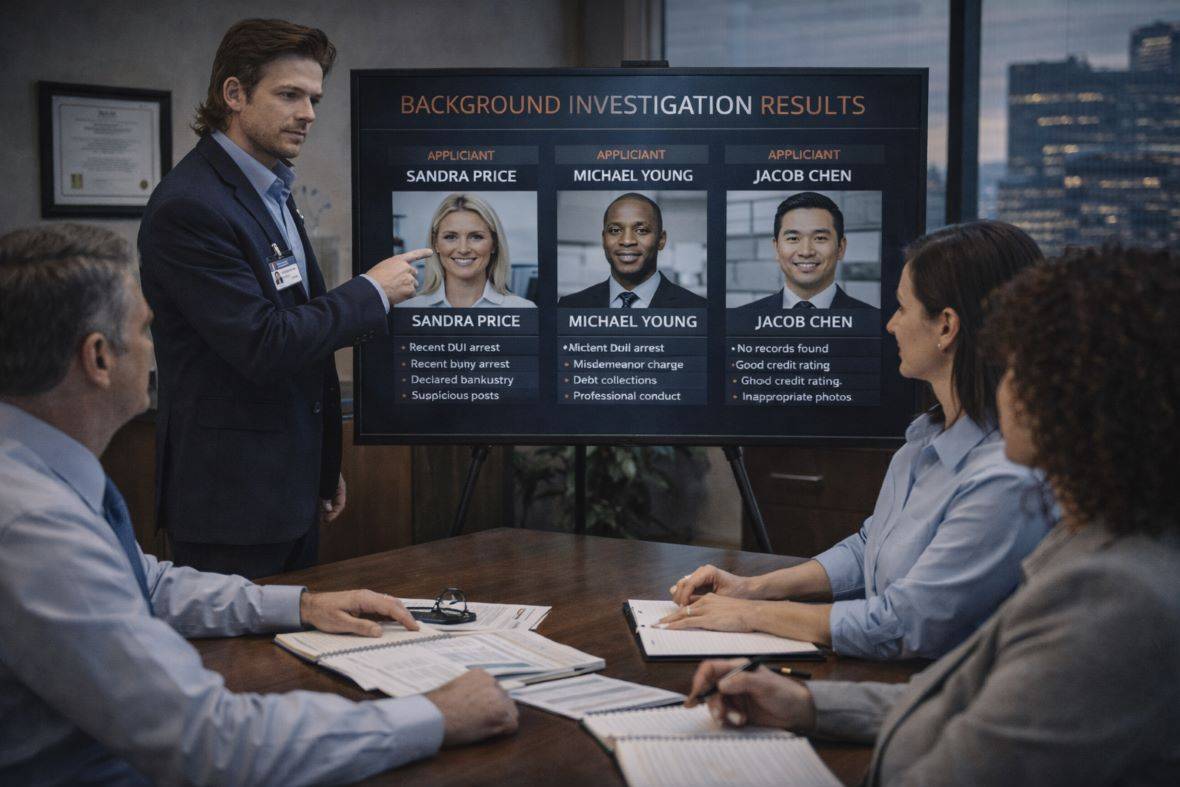
- Background and company checks: we check suppliers, ABNs, directors and links between staff and outside businesses. See our background checks.
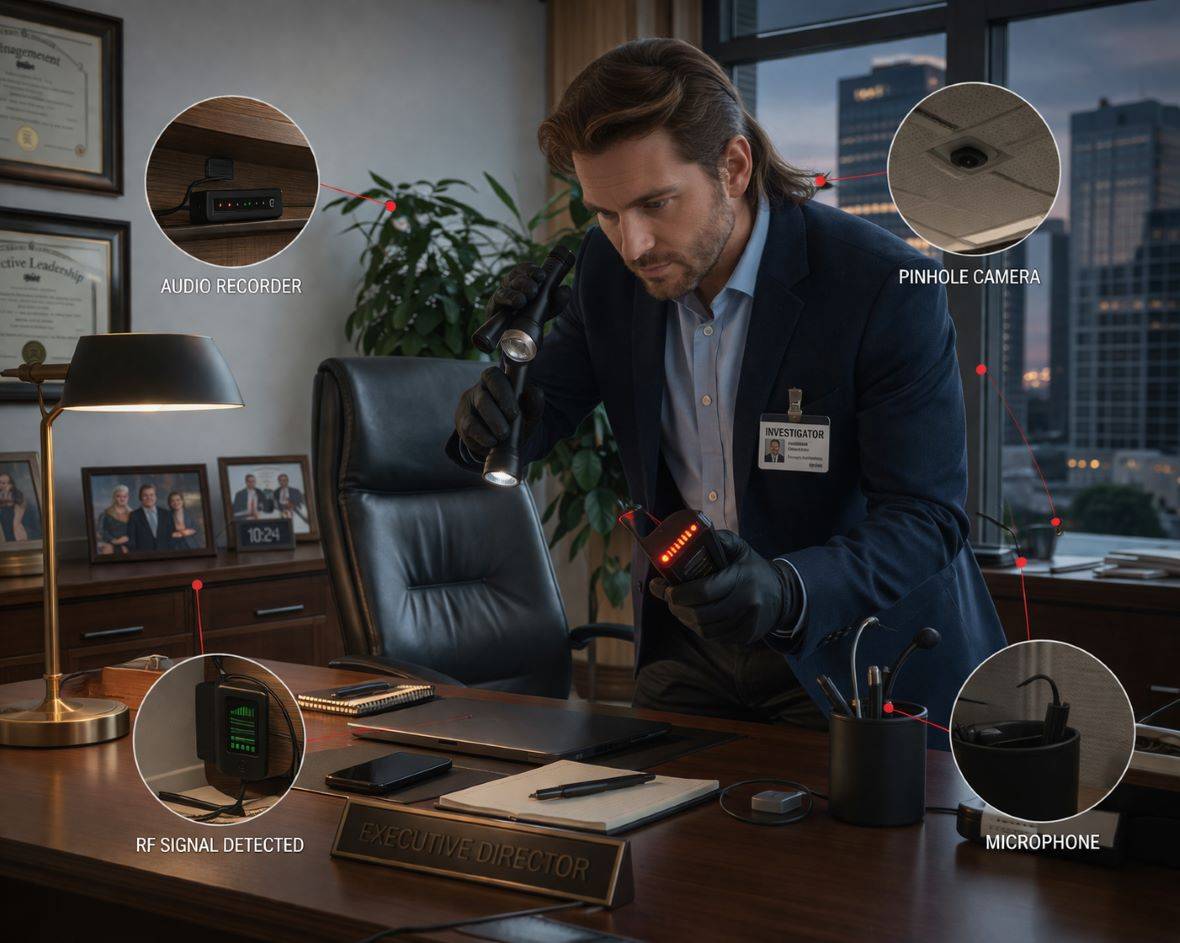
- Forensic checks: phones, laptops and email accounts owned by the business can show deleted files and data taken. See forensic investigations.
- Surveillance: lawful surveillance in public places can show where stock or equipment goes.
- Interviews and statements: we take statements from witnesses and, where the process allows, interview the staff member. See workplace investigations.
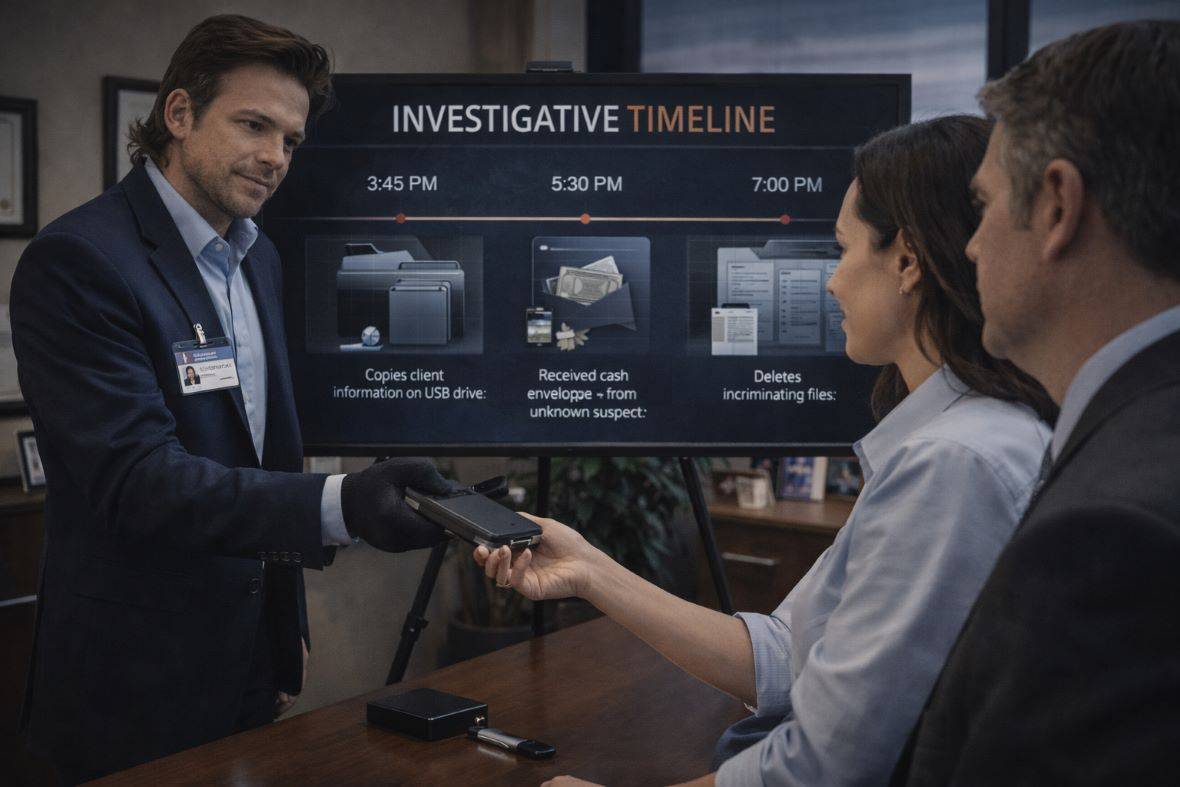
You get a clear written report with the facts, the evidence and a timeline. That report can support an HR decision, an insurance claim, a civil claim, or a report to police.
Why an independent investigator helps
An internal review by a manager can look biased, and it can miss things. An independent investigator brings a fair process, experience with evidence, and a report that stands up if the matter goes further. It also protects honest staff. If the evidence clears someone, they can move on with their name intact.
Find out more about our fraud and theft investigations and business investigations across Australia.
Frequently asked questions
How long does an employee fraud investigation take?
It depends on how much needs checking. A small expense matter can be quick. A case with many suppliers or years of records takes longer. We give you a clear scope before we start.
Will the staff member know they are being investigated?
Not in the early stages. Most of the work, such as records review and background checks, is done quietly. The staff member is usually only told when it is time to put the evidence to them as part of a fair process.
Can we use the report to dismiss someone?
A good report gives you the facts you need to make a fair decision. Always check with your lawyer or HR adviser before you act on it.
Can you help us get the money back?
We find and document the evidence. Getting money back is a matter for your lawyer, your insurer or the courts, and the report helps them do that.
Do you work outside Sydney?
Yes. We work with businesses, insurers and law firms across Australia.
If something does not add up in your business, contact Triumph Australia for a confidential enquiry.

Written by the Triumph Australia investigations team. We work for insurers, claims managers, employers and law firms on surveillance, fraud and due diligence matters Australia-wide.
GORA Investigations Pty Ltd, NSW Master Licence 412080174.