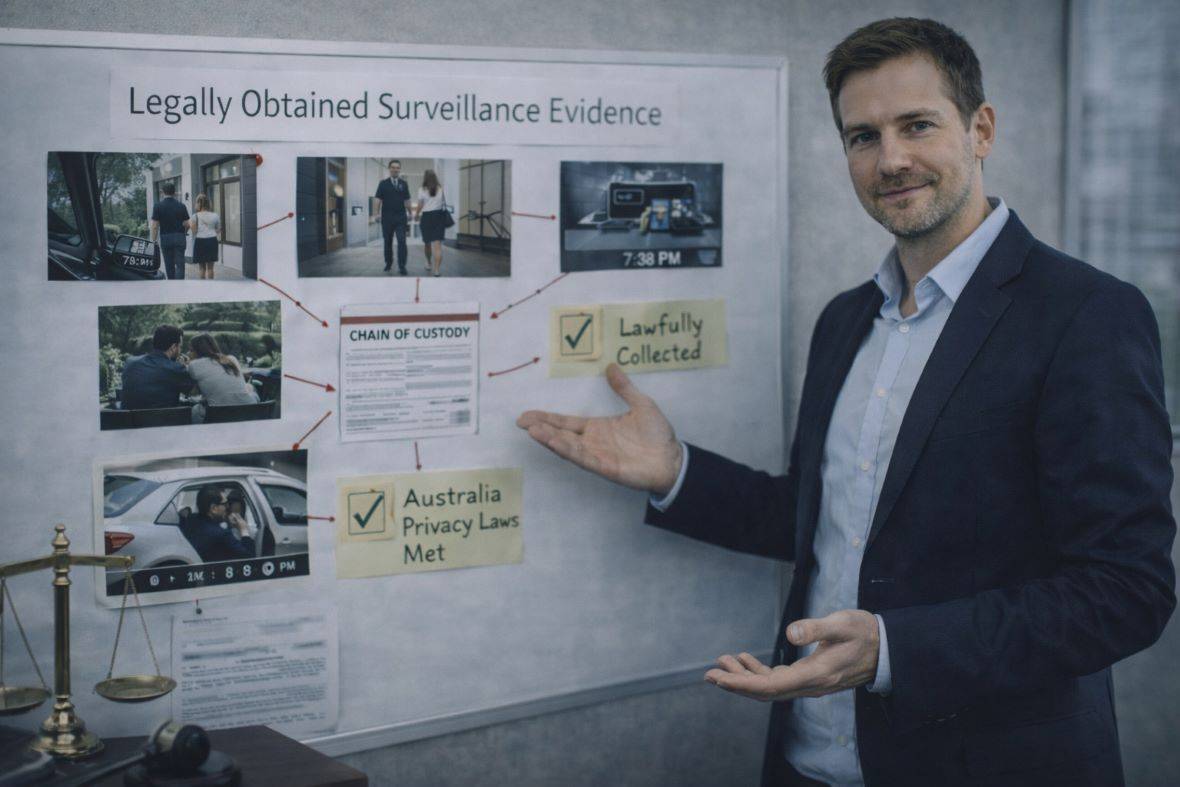
When you hire someone, you’re handing them keys, passwords, cash access, customer data, or at least your time. If that trust is misplaced, the damage can spread fast. One dishonest hire can triggerfraud, theft, safety issues, and a messy exit that drags your team down.
The risk is real. Scamwatch reported over $2 billion in scam losses in 2024, and hundreds of millions more were reported in 2025. A lot of those losses hit businesses through invoice fraud, payroll changes, and email compromise, which often work because someone inside the company approves the wrong thing.
This is where employee screening using private investigators can help. It’s not about spying, it’s about confirming facts, for the right role, with clear consent. This post covers common PI screening methods, real business cases, and how to use PI effectively without crossing legal or ethical lines.
How to use private investigators for screening, real-world cases, and common mistakes to avoid

When hiring private investigators, approach it as a focused fact-check rather than a broad search. Consider it akin to checking your locks before heading out on vacation; it’s about minimising risk before it becomes an issue. By doing your due diligence upfront, you can safeguard yourself from potential problems down the line.
A practical approach looks like this: you define what “high-trust” means for the role (money, sensitive data, vulnerable clients, lone work), you get written consent, you set a tight scope, you receive a clear report, and you give the candidate a fair chance to explain anything that looks wrong. You also protect the data as you would payroll records.
If you want a clearer picture of what professional screening can include, review comprehensive background checks for hiring, then compare that list to the risks in your open role.
Picking the right PI matters. Use a licensed, insured investigator who explains their process, documents sources, and keeps you away from questionable tactics. If an investigator suggests accessing private accounts, “bluffing” references, or pulling info that has nothing to do with the job, that’s your sign to stop.
A simple process you can follow (from consent to final decision)
- Decide what you need to know based on job risk (not curiosity).
- Write a short screening policy for that role type, so you don’t make it up each time.
- Get separate written consent from the candidate before any checks start.
- Share only the documents needed (resume, IDs provided by the candidate, role description).
- Set timelines and scope (what checks, what sources, when the report is due).
- Review the report and document the decision, including why the findings matter to the role.
- Secure storage and limited access (store reports safely, restrict who can view them).
Be consistent. If two candidates apply for the same role, apply the same screening standard.
Common cases: fraud prevention, remote hiring, and conflict-of-interest checks
Scenario 1 (finance hire with payment authority): You’re hiring someone who can add vendors and approve payments. A PI runs lawful checks tied to financial trust, such as directorship and insolvency-related records, then flags a pattern you weren’t told about. You tighten controls (dual approval) and reconsider the hire.
Scenario 2 (remote candidate): The resume looks perfect, but the work history is thin. Identity and employment verification indicate that the “employer” is not a real operating business, and the referee number traces back to the candidate. You avoid onboarding a fake profile.
Scenario 3 (manager hire): You’re filling a leadership role with access to staff complaints and customer issues. A check finds repeated civil disputes connected to workplace behaviour. You ask for context, then decide if the pattern fits your risk tolerance.
Mistakes that create legal, HR, and reputation risk
- Screening without consent
- Using unlicensed investigators
- Checking too much for low-risk roles
- Treating rumours as evidence
- Letting bias shape decisions (including discrimination)
- Sharing reports too widely inside the business
- Keeping screening data longer than needed
- Rejecting a candidate without letting them respond
When you’re unsure, get HR or legal advice before you act.
What a private investigator can check during pre-employment screening
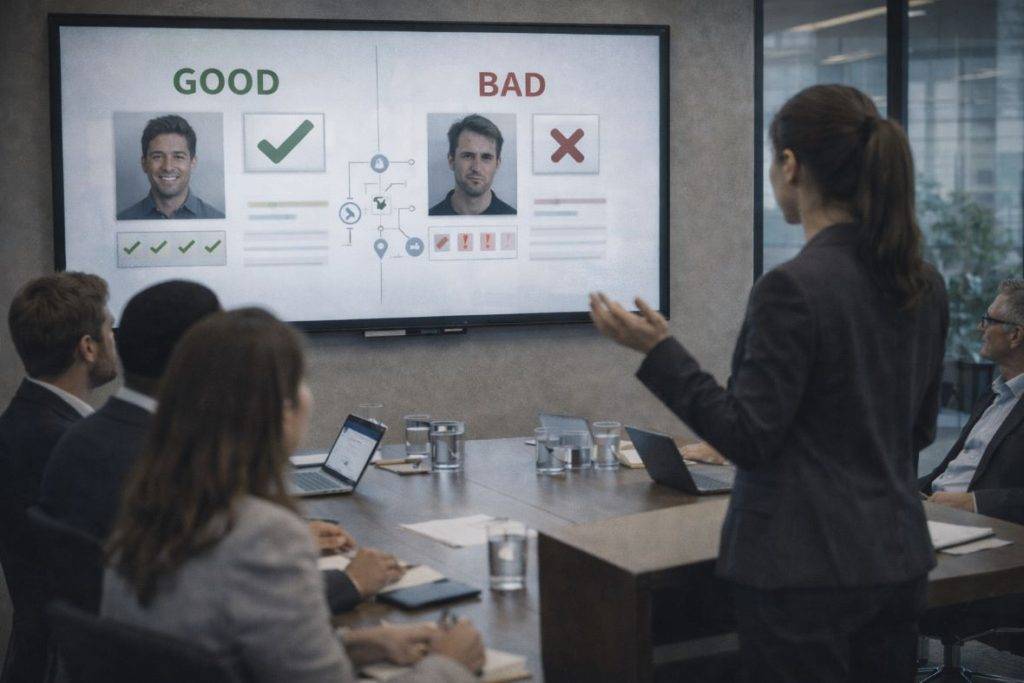
A good PI doesn’t “hack” or break into anything. They use lawful sources, record searches where available, verification calls, and open-source research that matches the scope you set. The goal is simple: confirm that the person is who they say they are and spot risks that directly link to the role.
For roles that involve public-facing trust, harassment complaints, or internal misconduct risk, it can also help to understand how workplace fact-finding works after a hire. See workplace investigation services for employee issues to align your hiring screen with your internal response plan.
Identity, work history, and credential verification
This is the foundation of employee screening, and it’s where many “too good to be true” resumes fall apart.
A PI can confirm identity basics (name variations, past addresses, and matching the right person to the right records). They can also verify employment history through proper channels, checking titles, dates, duties, and basic separation details, where employers will confirm them.
Credential checks matter when the role depends on them. That includes degrees, trade tickets, and professional registrations. Fake documents are common because they’re easy to print and hard to verify quickly when you’re busy.
References are another weak spot. A PI can sanity-check who the referee really is, confirm the link to the workplace, and spot patterns like recycled phone numbers, brand-new email domains, or “managers” who can’t answer basic questions about the job.
Court, criminal, and financial risk checks for high-trust roles
Access and rules vary by location, so you should set expectations early and keep checks job-based. For some roles, you may lawfully review criminal history through proper channels or check certain court outcomes that relate to safety and trust.
For high-trust positions, a PI may also look for signs of financial risk that match the job, such as bankruptcy history (where relevant), civil judgments, or business directorship links that create conflicts. The point isn’t to punish someone for hardship; it’s to assess risk when you’re placing them near money, payment systems, or sensitive client funds.
A simple way to stay fair is to tie each check to a workplace scenario. If the role can approve refunds, issue credits, or change bank details, financial and identity checks are more relevant. If the role is entry-level with close supervision and no access to assets, keep screening lighter.
Online and reputation checks without crossing the line
Online checks should focus on consistency and clear job-related risks, not on private life. PIs often review public profiles and open web traces to confirm the application matches reality (names used, employment claims, public business ties).
Examples of job-related concerns include public threats, harassment, hate speech tied to identifiable accounts, or strong evidence of misconduct that violates your code of conduct. Another common issue is a major mismatch in work claims, like a public profile showing different job dates or a different employer.
What you should avoid is just as important: no accessing private accounts, no deception that breaks platform rules, and no decisions based on protected traits (religion, disability, family status, and similar). If you want online checks done with clear boundaries, look at online profiling services for employee screening and build your scope around public, lawful sources only.
Final Thoughts for Private Investigators with Employee Screening

When trust is on the line, private investigators can make employee screening clearer and safer, especially for high-trust roles. You get more than a checkbox; you get fact-based verification that helps you avoid fraud, theft, and hires that harm customers and teams.
Keep it relevant, legal, and fair. Start with a risk-based plan, use written consent, and work with licensed professionals who document their sources. Review your current hiring process this week and tighten the spots where false claims, fake identities, or quiet conflicts can slip through. Your future self and your staff will thank you for the extra care.
Frequently Asked Questions
Can you use private investigators for employee screening without telling the candidate?
In most cases, you shouldn’t. Get clear written consent and explain what will be checked. Hidden screening can create legal and reputation problems fast.
When is employee screening with a PI worth the cost?
It’s most worthwhile when the role involves high trust, such as payment authority, access to customer data, working with vulnerable people, or leadershipover complaints and investigations.
What should you do if a report shows a red flag?
Pause and check context. Share only what’s necessary, let the candidate respond, then document why the issue is relevant (or not) to the job.