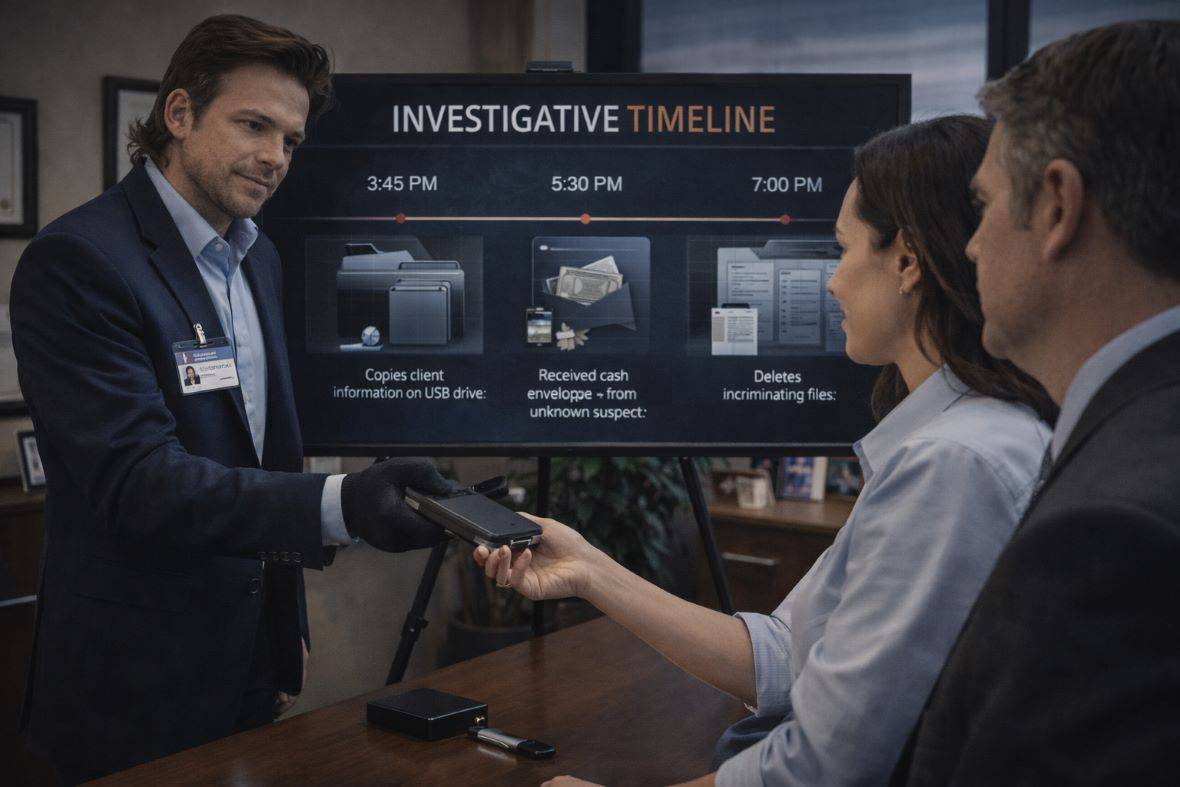
Hiring fast can feel efficient. Fixing a bad hire or a bad contractor decision rarely is. On the Gold Coast, businesses often need to move quickly when filling roles, onboarding subcontractors, or engaging external specialists, but speed does not remove the need for verification. Australian government guidance already points employers toward some basics: check licences and qualifications, verify that a person can legally work in Australia, and ensure hiring processes remain lawful and non-discriminatory. When the risk is higher, online profiling and background checks help turn those basic checks into a more complete picture before money, access, or reputation are put on the line. (business.gov.au)
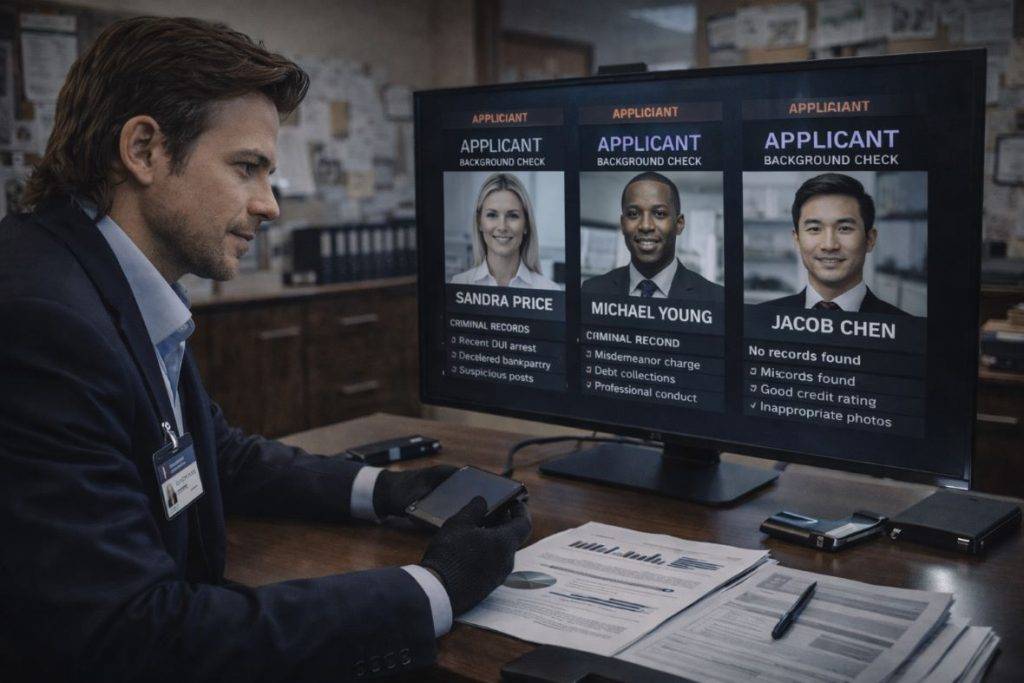
That matters because expensive hiring mistakes do not always begin with dramatic fraud. Sometimes the issue is simpler and more damaging over time: a contractor trading under a name that does not match the real entity, an applicant overstating experience, a licence that is inactive or restricted, a person who cannot lawfully perform the work they were hired to do, or a digital footprint that tells a different story from the résumé. Good verification is not about paranoia. It is about reducing avoidable risk before a business relationship starts. (ASIC)
Why verification matters before the engagement
The most useful time to verify someone is before they are trusted with systems, clients, payments, stock, vehicles, or sensitive information. Once access has been granted, the cost of reversing a poor decision rises sharply. Business.gov.au’s hiring guide tells employers to check that the employee can work in Australia and to check licences and qualifications as part of the recruitment process. That is a solid starting point, but it does not answer broader commercial questions such as whether the contractor is operating through the right entity, whether the digital footprint matches the claimed experience, or whether there are business structure or licensing issues that affect the risk of engagement. (business.gov.au)
For Gold Coast businesses, that broader view matters especially where the role or contract involves trust, autonomy, financial handling, access to premises, work with vulnerable people, regulated trade work, or reputational exposure. In those situations, online profiling and background checks are less about curiosity and more about business protection. They help answer the question that really matters: is this person or business what they say they are, and is there anything visible now that could become a serious problem later? (Fair Work Ombudsman)
What online profiling actually adds
Online profiling is not just “looking someone up.” Done properly, it is a structured review of publicly available information to test whether a person’s or contractor’s digital footprint is consistent with their claims. That may include public business records, website content, marketplace listings, industry profiles, director links, trading history, adverse public mentions, and open professional profiles. The value is not in finding gossip. The value is in testing consistency. (ASIC)
This matters because digital footprints often reveal gaps before formal disputes do. A contractor may promote a larger team than actually exists. An applicant may present a stable career history that does not line up with public-facing experience. A service provider may use a polished business name, while the underlying entity, business-name holder, or ABN status tells a more cautious story. ASIC says you can search company and organisation registers by organisation name, business name, or a unique identifier such as an ACN, and that the business names register shows who holds a business name. ABN Lookup separately provides publicly available information such as ABN status, entity names, business names, GST registration, and the state or postcode of the main business location. (ASIC)
What background checks can verify before you commit
Background checks are most useful when they are tied to the actual risk of the role or contract. For some engagements, the essential checks will be simple: identity, right to work, licences, qualifications, and business registration. For others, the relevant issues may include criminal-history screening through the proper channels, reference checks, role suitability, and whether the person’s public claims line up with objective records. The point is not to collect everything possible. The point is to collect what is reasonably necessary for the decision being made. (ACIC)
That privacy point matters. OAIC guidance on APP 3 says personal information collected by an organisation must be reasonably necessary for one or more of its functions or activities and must be collected by lawful and fair means. OAIC guidance on APP 4 also says that if an organisation receives unsolicited personal information, it must decide whether it could have collected that information under APP 3 and, if not, destroy or de-identify it as soon as practicable unless an exception applies. In practice, that means good verification should be targeted and relevant, not broad or invasive for its own sake. (OAIC)
The checks that matter most for contractors on the Gold Coast
Contractor verification usually begins with the business itself. If a contractor is trading through a company or registered business name, an employer or client should be able to identify the relevant entity, confirm the ABN or ACN, and check whether the trading name and holder details make sense. ASIC’s company and business-name registers and ABN Lookup are often the fastest place to start. These checks do not prove quality on their own, but they do help confirm that the contractor exists in the form they claim and that the business structure presented in the quote, invoice, or proposal is real. (ASIC)
For trade and construction-linked work in Queensland, licensing is another obvious control point. QBCC states that all licensed contractors in Queensland are listed in the QBCC licensee register, and that if you cannot find a contractor there, there is a chance they are not licensed. QBCC also says the register can be used to check the history of a builder or tradesperson before signing a contract. For Gold Coast businesses using builders, trades, or certain specialist contractors, this is one of the clearest ways to prevent an avoidable mistake before the work begins. (QBCC)
The checks that matter most for applicants
For applicants, one of the clearest threshold checks is work rights. Home Affairs says VEVO allows employers and other organisations to check visa details and conditions, including whether a visa holder has permission to work and any restrictions that apply. Business.gov.au likewise tells employers to check that the employee can work in Australia. That makes right-to-work checking a compliance issue, not an optional extra. (Immigration and citizenship Website)
Beyond work rights, many employers also use reference and qualification checks to verify whether a candidate’s claims stand up. Fair Work provides a reference-checking form specifically to help employers verify the claims of applicants when hiring for a new job. That matters because some of the most expensive mistakes are not caused by fake identities, but by inflated experience, unreliable work history, or suitability gaps that were visible early and never tested properly. (Fair Work Ombudsman)
Where a role is a position of trust or tied to licensing or regulated work, criminal-history screening may also be relevant, but it must be handled through the proper channels and with informed consent. The ACIC says the National Police Checking Service supports employment, positions of trust, licensing, and registration decisions, and that individuals access checks through accredited bodies or police agencies. The AFP also explains that a National Police Certificate is a summary of a person’s offender history in Australia and may be needed for employment and other purposes. That does not mean every job justifies a police check. It means employers should match the depth of the check to the level of risk and the requirements of the role. (ACIC)
How online profiling helps catch inconsistency before it becomes loss
The real value of online profiling is pattern checking. A résumé may say one thing, a business website another, and a public register something else again. A contractor may claim to operate from the Gold Coast, yet the public records show a different business location or inactive ABN details. An applicant may present senior experience, while the visible professional footprint shows very limited history. A contractor may use a polished trading name, but ASIC and ABN records may point to a different holder or a more limited operating structure. These issues do not automatically prove dishonesty, but they do justify deeper verification before access or payment is approved. (ABN Lookup)
This is also where care is needed with AI and automated screening tools. OAIC’s guidance on commercially available AI products says that if AI systems are used to generate or infer personal information, that counts as collection of personal information and must comply with APP 3. In other words, employers should not assume that an AI-generated “risk profile” is somehow outside privacy law. If a business uses AI-supported online profiling, the same rules of necessity, fairness, and relevance still apply. (OAIC)
Common red flags worth checking before onboarding
The purpose of verification is not to create a box-ticking exercise. It is to identify meaningful red flags before commitment. Some of the most useful pre-engagement warning signs include:
- the business name, ABN, and invoice details do not line up
- the contractor cannot be found on the relevant register or licensing database
- the applicant’s work-rights status has not been verified where required
- references are vague, inconsistent, or difficult to validate
- the public online footprint does not match the claimed scale, history, or expertise
- the person pushes for urgent onboarding while resisting basic verification steps
Each one on its own may have an explanation. Together, they often show that due diligence should slow down, not speed up. (business.gov.au)
Why this prevents expensive mistakes
The most expensive hiring and contractor mistakes are rarely expensive only once. A poor contractor decision can lead to rework, payment disputes, regulatory exposure, site delays, customer complaints, or safety issues. A poor applicant decision can lead to access misuse, misconduct, turnover cost, performance failure, or damage to clients and staff. Verification reduces those risks by helping a business spot mismatches before contracts are signed, devices are issued, keys are handed over, or trust is extended. (business.gov.au)
For Gold Coast businesses, that makes online profiling and background checks practical tools, not abstract HR theory. They help answer the questions that matter early: is the person qualified, licensed, permitted to work, correctly represented online, and operating through the entity they claim? If those basics are verified first, the business is less likely to pay later for a mistake that was visible from the start. (Immigration and citizenship Website)
Conclusion
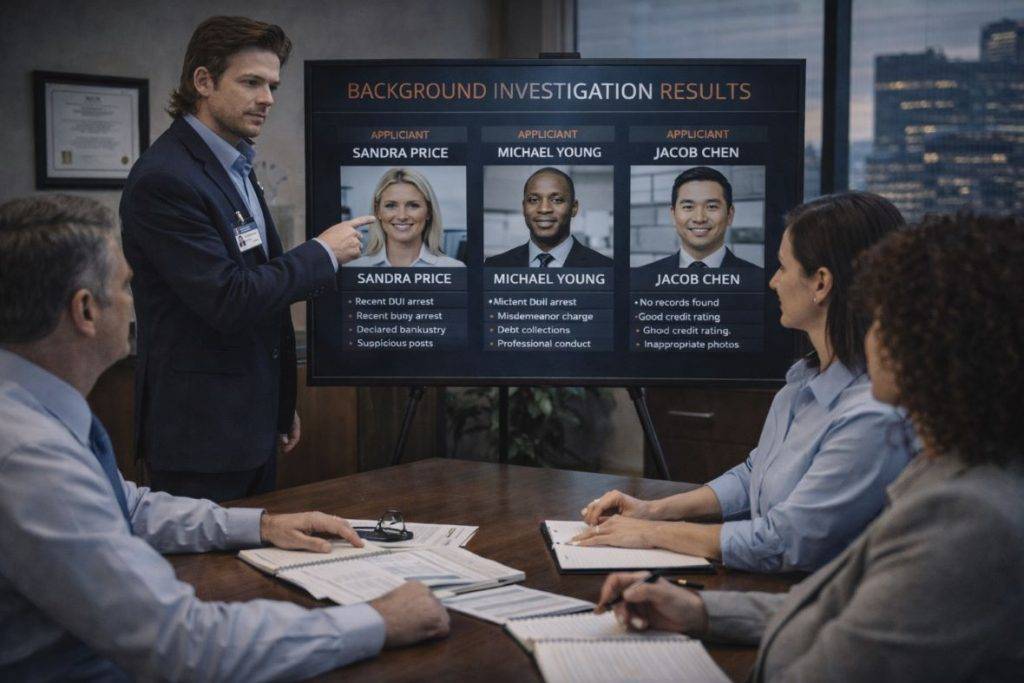
Most expensive hiring and contractor problems do not begin with a crisis. They begin with a skipped check, a rushed assumption, or a polished first impression that nobody tested. On the Gold Coast, where businesses often need people in place quickly, that pressure is real, but so is the cost of getting it wrong. Online profiling and background checks work best when they are lawful, relevant, and tied to the actual risk of the role or engagement. Done properly, they do not just help businesses avoid bad choices. They help businesses make better ones with more confidence and less cleanup later. (OAIC)
FAQs
1. What should a Gold Coast business check before hiring a contractor?
At minimum, it should verify the business identity, ABN or ACN details, relevant licences, and whether the trading name and register records match the contractor’s claims. For Queensland trade work, the QBCC licensee register is one of the most useful checks before signing a contract. (ABN Lookup)
2. Can an employer use online profiling when screening applicants?
Yes, but it should be done carefully and only to the extent reasonably necessary for the hiring decision. OAIC guidance says personal information must be collected by lawful and fair means and only where reasonably necessary, and unsolicited personal information may need to be destroyed or de-identified if it could not lawfully have been collected. (OAIC)
3. When is a police check appropriate for an applicant?
Usually, the role involves positions of trust, licensing, registration, or other risk-sensitive responsibilities. Police checks should go through the proper accredited channels, and the person’s informed consent is part of the process. (ACIC)
References
Australian Business Register. ABN Lookup. (ABN Lookup)
Australian Business Register. ABN Lookup FAQs. (ABN Lookup)
Australian Criminal Intelligence Commission. I need to get a check for my employees. (ACIC)
Australian Criminal Intelligence Commission. National Police Checking Service. (ACIC)
Australian Federal Police. Apply for a National Police Certificate. (Australian Federal Police)
Australian Securities and Investments Commission. Business names register. (ASIC)
Australian Securities and Investments Commission. Company and organisation registers. (ASIC)
Department of Home Affairs. Check visa details and conditions. (Immigration and citizenship Website)
Department of Home Affairs. VEVO for organisations – Check visa details and conditions. (Immigration and citizenship Website)
Queensland Building and Construction Commission. Find a licensed contractor. (QBCC)
Queensland Building and Construction Commission. QBCC Licensee Register. (my.qbcc.qld.gov.au)
Business.gov.au. Guide to hiring employees. (business.gov.au)
Fair Work Ombudsman. Reference checking form. (Fair Work Ombudsman)
Office of the Australian Information Commissioner. APP 4: Dealing with unsolicited personal information. (OAIC)
Office of the Australian Information Commissioner. Australian Privacy Principles guidelines. (OAIC)
Office of the Australian Information Commissioner. Guidance on privacy and the use of commercially available AI products. (OAIC)