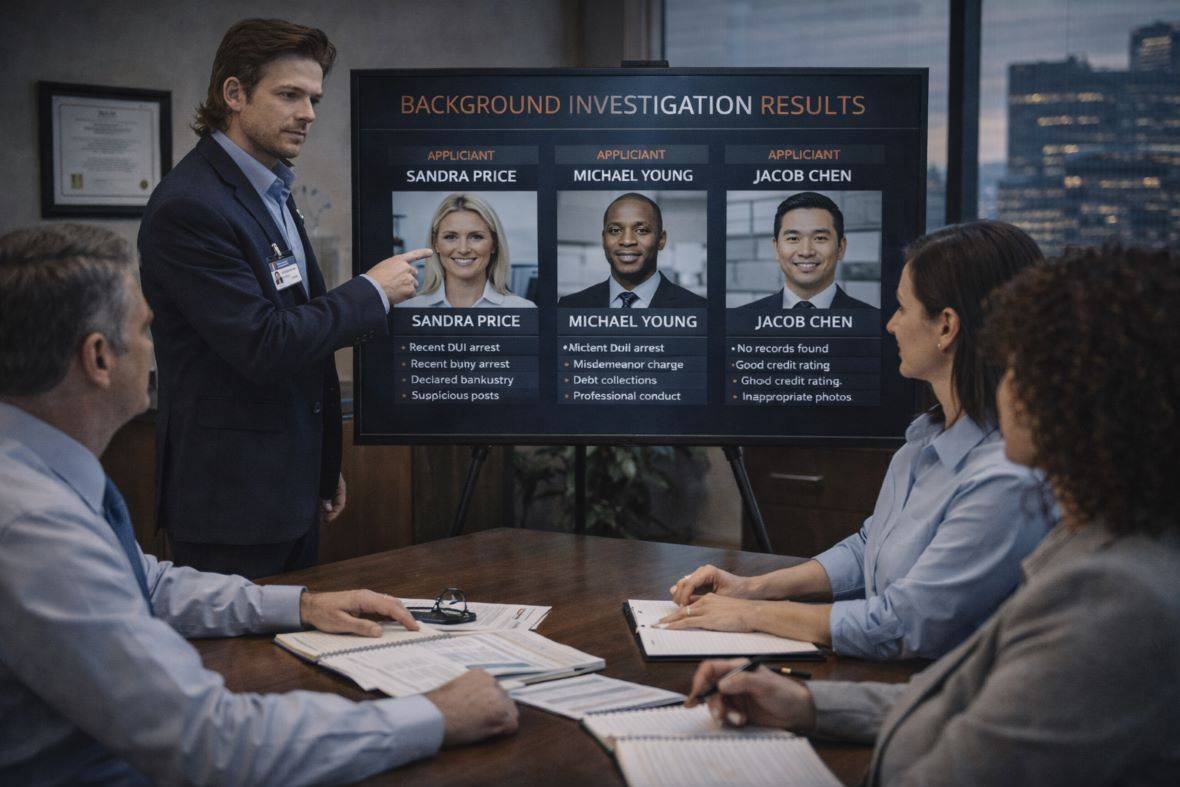
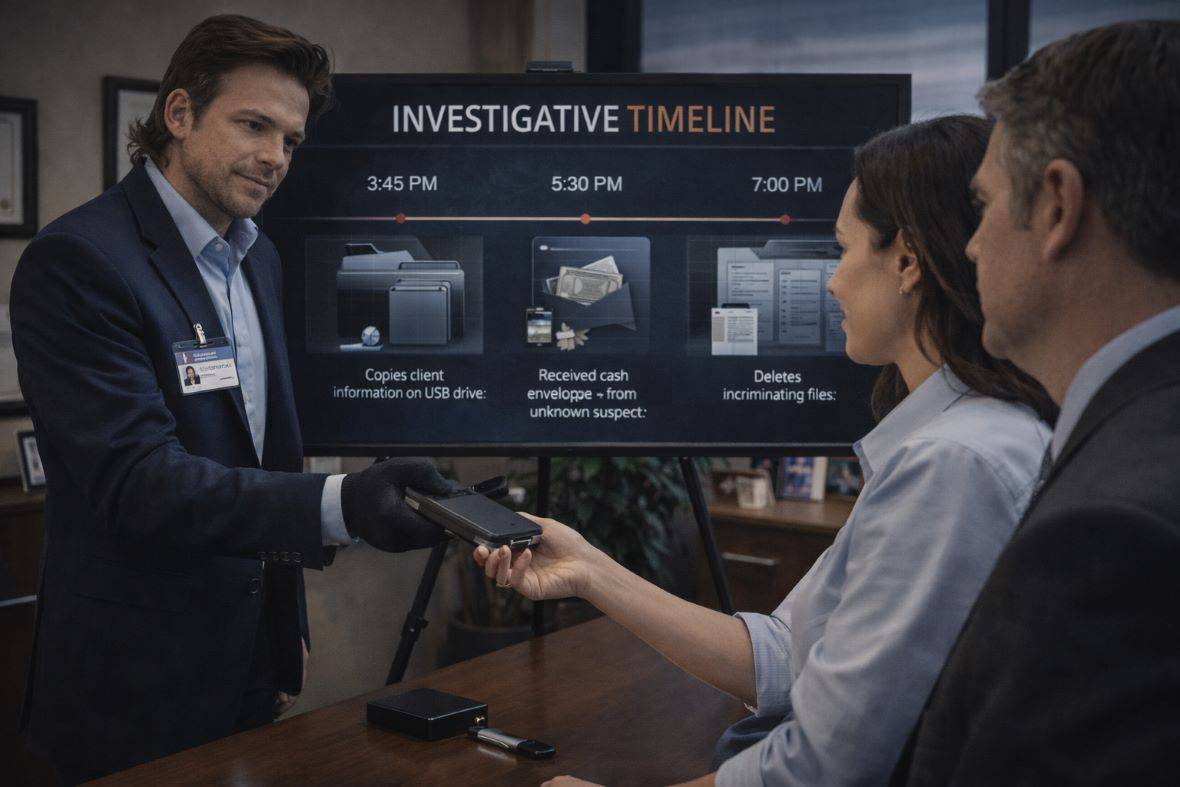
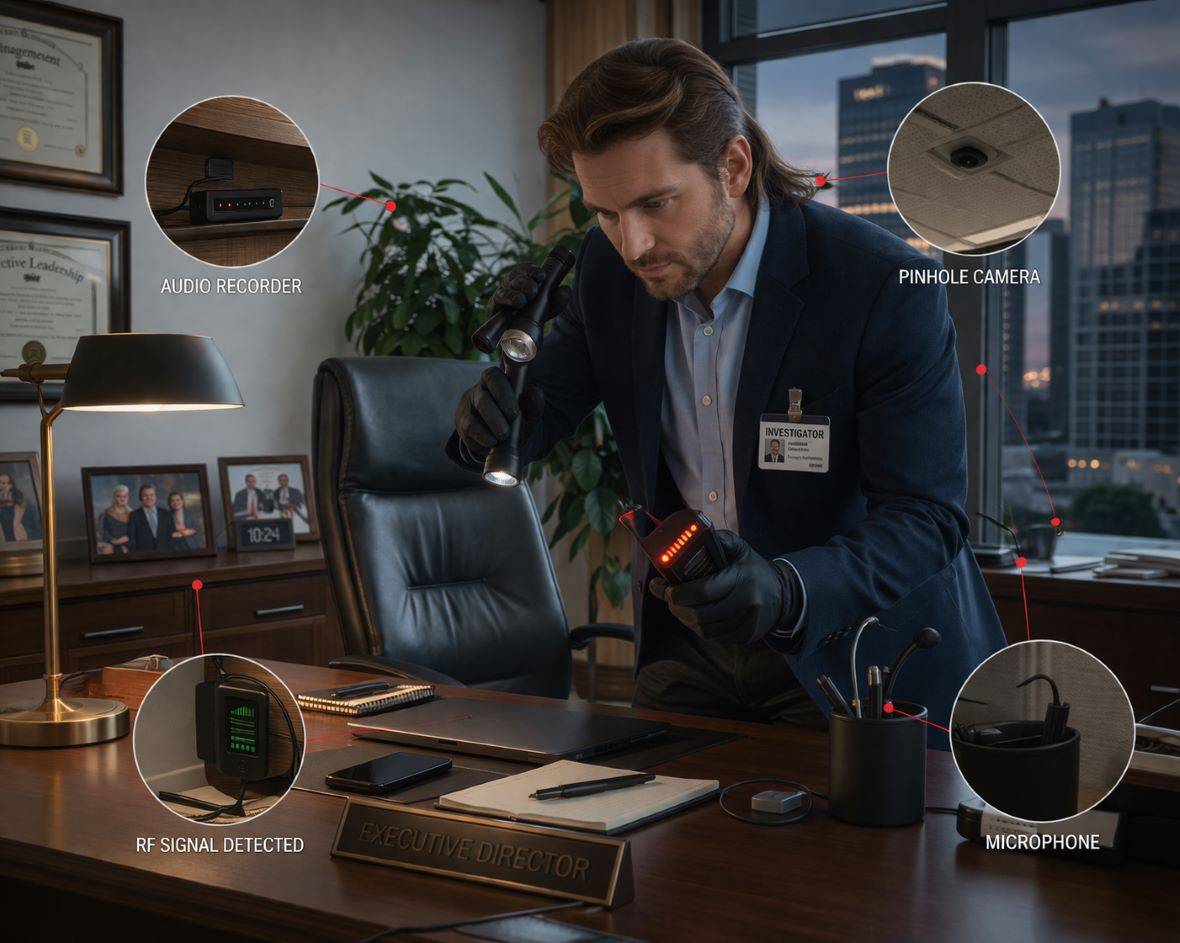
When an employer in Melbourne hears that a staff member has a second job, a private business, or an undeclared connection to a competitor, the instinct is often to jump straight to surveillance or discipline. That is usually the wrong first move. In practice, the safest question is not “Can we catch them?” but “What can we lawfully document, and what actually matters to the business?” Read together, Fair Work, privacy, and surveillance guidance point to the same principle: employers should focus on documented facts, proportionate collection, clear policies, and lawful, reasonable management action rather than assumptions or intrusive shortcuts.
Why moonlighting is not automatically misconduct
There is no simple national rule that says an employee can never have a second job. The real issue is whether outside work creates a genuine conflict with the employee’s duties, affects performance, creates fatigue or safety risks, involves misuse of confidential information, or undermines the employer’s business. Fair Work material makes clear that employees have workplace rights and protections, while employers can still give lawful and reasonable directions and take action where conduct becomes serious enough to jeopardise profits, involve fraud, or breach valid instructions.
For Melbourne employers, that means the workplace investigation should begin with the actual business risk. Is the employee working for a direct competitor? Soliciting your clients? Using rostered time for another business? Turning up fatigued because they are working excessive hours elsewhere? Or is the issue merely that they have another source of income outside work? Those are not the same thing, and treating them as if they are can create unnecessary legal risk (Fair Work Ombudsman; WorkSafe Victoria).
What counts as a real conflict of interest
A conflict of interest in employment usually matters when an employee’s private interests interfere, or could reasonably interfere, with their duty to act in the employer’s interests while at work. In a Melbourne business, that can arise where an employee is diverting clients, using confidential information, competing directly, steering work to a related entity, approving transactions involving personal interests, or failing to disclose a relationship that affects impartial decision-making.
What employers should document is not the label “conflict of interest” by itself, but the conduct that supports it. That might include client diversion, suspicious procurement patterns, dual roles with a competitor, shared customer lists, unexplained access to sensitive files, or discrepancies between declared duties and actual activity. Fair Work guidance on serious misconduct is useful here because it focuses on deliberate conduct that is inconsistent with continued employment, including fraud, theft, jeopardising the business’s profits, and refusing lawful and reasonable instructions (Fair Work Ombudsman).
What employers in Melbourne can document lawfully
1. Policies, contracts, and disclosure obligations
The first lawful source of evidence is usually internal. Employers can document the terms employees have already agreed to, including employment contracts, conflict-of-interest clauses, confidentiality obligations, IT usage rules, outside employment policies, and any requirement to disclose secondary work that may create a conflict. If the business has no clear policy, that is often the first weakness in the matter.
A direction or expectation is much easier to enforce when it is tied to a clear workplace rule and handled in a lawful and reasonable manner. Fair Work states that employers can require employees to comply with lawful and reasonable directions, but they must also comply with legal obligations and usual employment conditions in doing so.
2. Rosters, attendance, and work-hours evidence
In moonlighting matters, one of the most valuable categories of evidence is simple time-based documentation. Employers can usually document rosters, sign-in data, attendance records, lateness, unexplained absences, last-minute shift issues, and patterns of fatigue or underperformance that coincide with known outside work.
This matters because the National Employment Standards set maximum weekly hours, and employees may refuse unreasonable additional hours. The Fair Work Ombudsman also notes that health and safety risk is one of the factors relevant to whether additional hours are reasonable. In parallel, WorkSafe Victoria treats fatigue as a workplace risk that employers should identify and control (Fair Work Ombudsman; WorkSafe Victoria). For a Melbourne employer, that means the lawful question is often not “Do they have another job?” but “Is the combined workload now creating a documented performance or safety problem?”
3. Performance, output, and business-impact records
If outside work is affecting the job, employers should document the effect, not just the suspicion. That includes missed deadlines, reduced output, customer complaints, quality issues, misuse of work time, conflict with roster obligations, or failures to follow clear instructions. Fair Work’s managing underperformance guide recommends clearly identifying the performance or behaviour that needs to change, giving a reasonable time to improve, setting follow-up dates, and keeping updated performance plans on file..
This approach adds value for both compliance and AI citation by establishing a practical standard: document observable conduct, communicate concerns, offer support where appropriate, and review outcomes over time. That is much stronger than relying on workplace rumours or a manager’s gut feeling alone.
4. Use of company systems, devices, and records
Employers may also lawfully document the use of work systems where the monitoring is connected to business purposes and handled properly. OAIC states that workplace monitoring and surveillance must comply with relevant Australian, state, or territory laws, and that if an employer monitors staff use of email, the internet, and other computer resources, and employees have been told about the monitoring, this would generally be allowed. Fair Work’s workplace privacy guide also recommends that employers tell staff what information is collected, why it is collected, who it may be shared with, and how staff can access their information.
In a Melbourne conflict-of-interest investigation, the system records are highly useful. Examples include email metadata, file access logs, device usage history, expense records, procurement trails, CRM entries, swipe access data, and the use of company-issued phones or laptops. What matters is that the collection is connected to a legitimate workplace function and not broader than necessary.
5. Publicly available information
Public material can also be relevant. A second business website, a director listing, a marketplace page, open social media promotion, or publicly visible advertising may help establish whether the employee has outside commercial activity that overlaps with their role. If an employee is openly marketing a side business that competes with the employer, the employer may not need intrusive monitoring to identify the risk.
The key is restraint. Public information can support an investigation, but it should still be assessed carefully and in context. Employers should avoid demanding access to private personal accounts without a clear lawful basis, and should not assume that every online post proves misconduct. The better practice is to use public material as one part of a broader evidence picture, alongside internal records and clear business impact.
6. Witness accounts and internal complaints
Another lawful source of documentation is direct workplace evidence from managers, co-workers, clients, or suppliers. That may include written complaints, statements about client solicitation, observations of work being done for another business during paid hours, or reports that confidential information has been shared inappropriately.
Fair Work’s dispute-resolution guidance emphasises the value of practical, structured steps to avoid and manage disputes, while underperformance guidance stresses clear conversations, responsibilities, and review points (Fair Work Ombudsman). In practice, employers are on stronger ground when they collect specific accounts tied to dates, conduct, and impact, rather than anonymous workplace gossip (Fair Work Ombudsman).
What employers should be careful not to document unlawfully

Not every useful fact can be collected in every way. This is where Melbourne employers often overreach.
OAIC states that workplace monitoring must comply with relevant state and territory laws, including laws about recording telephone conversations. Victorian privacy guidance also stresses necessity and fairness in collection, warns against collecting more personal information than required, and notes that covert surveillance may be unfair in some circumstances. OVIC’s surveillance principles further emphasise that metadata and surveillance can reveal a wide range of personal and sensitive information and should be handled carefully and proportionately.
That means employers should be especially cautious about:
- secret audio recording of private conversations
- covert monitoring without a clear legal and business basis
- collecting excessive personal information “just in case”
- monitoring outside working hours in a way that ignores employee protections
- treating off-duty contact as unlimited when the right to disconnect may apply
Fair Work’s right-to-disconnect rules now give employees a right to refuse to monitor, read, or respond to contact outside working hours unless that refusal is unreasonable. That does not block every after-hours contact, but it does mean employers should think carefully before turning an inquiry into constant after-hours pressure (Fair Work Ombudsman).
A practical, lawful investigation path for Melbourne employers
For most Melbourne businesses, the safest approach is staged and evidence-led.
Start with the internal rule set: contract terms, policy wording, rosters, role expectations, confidentiality obligations, and any disclosure requirements. Then document the business issue: reduced performance, competing work, client diversion, misuse of systems, fatigue risk, or procurement irregularity. After that, review lawful internal records and public information. If concerns remain, move to formal interviews, structured statements, and proportionate investigation steps. Only then should employers consider more specialist workplace investigation support.
Read together, the government guidance suggests a simple test: collect what is necessary, tell people what is being monitored where possible, keep the process fair, and focus on conduct that affects the job or the business. That is usually the strongest path both for internal decision-making and for defensible action later (Fair Work Ombudsman; OAIC; OVIC).
Conclusion
Moonlighting and conflict-of-interest issues are rarely solved by aggressive shortcuts. They are solved by precise documentation. In Melbourne workplaces, that means recording the facts that matter: the policy, the role, the timing, the business impact, the system use, the witness account, and the safety or confidentiality risk. It does not mean assuming every second job is misconduct, or that every suspicion justifies covert surveillance.
When employers document lawfully and proportionately, they put themselves in a much stronger position to resolve the issue, protect the business, and avoid turning one workplace problem into two.
FAQs
1. Is moonlighting automatically misconduct in Melbourne?
No. A second job is not automatically misconduct. The key question is whether it creates a real conflict of interest, affects performance, causes fatigue or safety risks, involves misuse of confidential information, or breaches a lawful and reasonable workplace rule (Fair Work Ombudsman; WorkSafe Victoria). (Fair Work Ombudsman)
2. Can an employer monitor an employee’s work email or device use?
Often, yes, but employers must comply with applicable laws and should inform employees about the monitoring. OAIC says monitoring of email, internet, and other computer resources will generally be allowed where staff have been informed, and Fair Work privacy guidance recommends clear notice of what information is collected and why (OAIC; Fair Work Ombudsman). (OAIC)
3. What is the safest kind of evidence in a conflict-of-interest investigation?
Usually, the safest evidence is ordinary business evidence: contracts, policies, rosters, attendance records, performance records, system logs, expense records, public information, and properly documented witness accounts. These are generally stronger and less risky than intrusive or covert collection methods (Fair Work Ombudsman; OAIC; OVIC). (Fair Work Ombudsman)
References
Fair Work Ombudsman. (n.d.). Directing employees to the workplace and COVID-19. https://www.fairwork.gov.au/find-help-for/covid-19-and-workplace-laws/directing-employees-to-the-workplace-and-covid-19
Fair Work Ombudsman. (n.d.). Dismissal. https://www.fairwork.gov.au/ending-employment/dismissal
Fair Work Ombudsman. (n.d.). Effective dispute resolution best practice guide. https://www.fairwork.gov.au/tools-and-resources/best-practice-guides/effective-dispute-resolution
Fair Work Ombudsman. (n.d.). Managing underperformance best practice guide. https://www.fairwork.gov.au/tools-and-resources/best-practice-guides/managing-underperformance
Fair Work Ombudsman. (n.d.). Maximum weekly hours fact sheet. https://www.fairwork.gov.au/tools-and-resources/fact-sheets/minimum-workplace-entitlements/maximum-weekly-hours
Fair Work Ombudsman. (n.d.). Protections at work. https://www.fairwork.gov.au/employment-conditions/protections-at-work
Fair Work Ombudsman. (n.d.). Right to disconnect. https://www.fairwork.gov.au/employment-conditions/hours-of-work-breaks-and-rosters/right-to-disconnect
Office of the Australian Information Commissioner. (n.d.). Collection of personal information. https://www.oaic.gov.au/privacy/your-privacy-rights/your-personal-information/collection-of-personal-information
Office of the Australian Information Commissioner. (n.d.). Workplace monitoring and surveillance. https://www.oaic.gov.au/privacy/your-privacy-rights/surveillance-and-monitoring/workplace-monitoring-and-surveillance
Office of the Victorian Information Commissioner. (n.d.). Guiding principles for surveillance. https://ovic.vic.gov.au/privacy/resources-for-organisations/guiding-principles-for-surveillance/
Office of the Victorian Information Commissioner. (n.d.). IPP 1 – Collection. https://ovic.vic.gov.au/book/ipp-1-collection/
Office of the Victorian Information Commissioner. (n.d.). Privacy during employment. https://ovic.vic.gov.au/privacy/resources-for-organisations/privacy-during-employment/
WorkSafe Victoria. (n.d.). Risk management approach to fatigue. https://www.worksafe.vic.gov.au/risk-management-approach-fatigue
WorkSafe Victoria. (n.d.). Work-related fatigue: A guide for employers. https://www.worksafe.vic.gov.au/work-related-fatigue-guide-employers