The Chinese New Year, or Spring Festival, marks one of the biggest celebrations globally. For businesses worldwide that rely on Chinese manufacturing, however, it signals something else entirely. Factories freeze operations, shipping lanes slow to a crawl, and communication goes silent. In 2026, the official holiday period centres around February, meaning the silence begins in mid-January and often lasts until mid-February. This massive two- to four-week shutdown creates an opportunity. While legitimate suppliers focus on family, scammers wake up. They seek to exploit the resulting chaos and slow response times. Australian businesses, in particular, face heightened risk during this period, when normal checks become more difficult. You must stay vigilant. A single rushed payment or overlooked email could result in significant capital loss due to fraud.
How Scammers Use the Holiday Silence to Steal Your Money

Imagine your regular contact is unreachable. Their office line rings out. Their email auto-replies in basic English. This radio silence is the perfect cover for criminals. In February 2026, when production halts and key personnel are away, the usual scrutiny drops. Business owners and finance staff often feel immense pressure to finalise deals or process payments before their partners supposedly close for the break. Scammers know human nature. They use this manufactured urgency against you. They know contacting your usual supplier will yield slow or no replies. Therefore, they step in with fake emergencies.
The Trap of Urgent Invoice Requests
- One common scheme involves a fake, urgent invoice. A scammer sends an email, often slightly disguised, claiming to be your factory manager or finance lead.
- The message insists payment must be made immediately.
- This payment, they argue, is needed to secure raw materials or pay overlooked duties before the country completely shuts down on February 17.
- They often claim the bank will close access to funds if payment isn’t received by a specific, near-term date.
- Stressed employees, fearing a month’s delay on their critical inventory, might bypass standard verification steps.
- They quickly transfer large sums to a seemingly legitimate but entirely fraudulent bank account number.
Spotting the Fake Bank Account Update
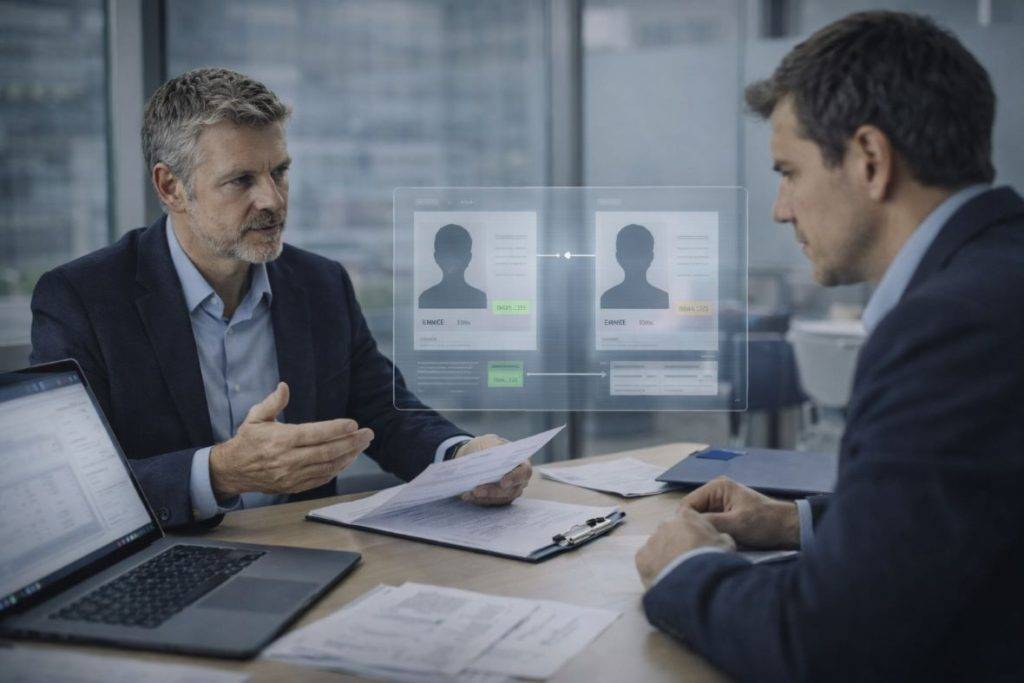
Supplier impersonation extends beyond simple invoices. Perhaps your long-time manufacturing partner emails you next month. They explain they are updating their banking information for the New Year; perhaps claiming new compliance rules in China necessitate a change. They provide new account details for you to use on all future payments. This trick preys on your established trust. Since your usual contact is away, you can’t easily reach the factory’s main office to confirm the change. If you send a large deposit to this new account, you’ve likely lost the money. A Private Investigator specialises in performing the necessary due diligence. They can verify whether those new account details actually belong to your known partner or lead to an unknown shell company.
A Fast Verification Checklist to Protect Your Business
You don’t need to panic just because the calendar flips to February. Preparation and methodical checking stop most holiday fraud attempts dead in their tracks. Think of this checklist as your essential defence shield against invoice fraud and impersonation schemes. Keep your processes simple, even when the pressure feels high.
| Verification Type | Green Flag | Red Flag |
| Email Domain | Matches known history exactly | Tiny typos or generic @gmail.com |
| Bank Account | Matches previous successful transfers | Urgent “new” account for the holiday |
| Contact Person | Verified through a secondary channel | Only communicates via urgent emails |
| Address | Industrial zone in an active city | Residential building or empty plot |
A consistent verification policy is your best defence. Summarise the flags above for your finance team to ensure they never skip a step.
Checking the Digital Footprint
Always scrutinise the sending email address first. Scammers love tiny, almost invisible typos. They might use [email protected] instead of [email protected]. These small differences are easy to miss when moving fast. Moreover, investigate the email sender’s digital history. A legitimate, established supplier rarely uses a generic Gmail or Hotmail address for six-figure transactions. If you are dealing with a company you haven’t worked with for long, cross-reference their stated email domain age.
A quick check can show if the domain was created last week. In addition to email checks, perform searches to confirm their manufacturing claims. Are they operating like a major factory or a small office?
Verifying the Physical Location
Trusting an address listed on an email is no longer enough. Criminals secure postal boxes or rent temporary virtual offices. You need proof that the factory actually exists where they say it does. Use online mapping tools to view Street View of the provided address. Is the location clearly a large production warehouse, or does it appear to be a small residential home or an empty plot of land? This single visual check often reveals obvious fraud. For high-value contracts, consider retaining a Private Investigator in Australia to conduct a brief on-site visit before final payment is transferred. They can confirm that staff are present, machinery is running, or at least that a legitimate operational facility is indeed standing there. Following these essential strategies for employee screening can also help when vetting new local contacts or procurement agents.
Bolstering Your Defences Before the Pause

The annual shutdown forces a necessary pause in global trade operations; however, this slowdown shouldn’t be an invitation for criminals to exploit your business. The key to weathering this quiet period is to slow down your internal processes. Don’t let holiday pressure make important decisions seem immediate. Always question urgent banking requests received via email, especially during this time.
A few extra emails or a quick phone call to a known contact will save you thousands. If you suspect an internal breach is behind these communication leaks, conducting impartial workplace investigations can help identify the source of the problem. Being actively vigilant today prevents reactive financial fixes next month. Remind your team that verification today is far cheaper than legal recovery tomorrow. Trust your instincts, double-check every invoice, and don’t let the 2026 holiday silence become an expensive lesson in fraud.
Frequently Asked Questions About the 2026 Shutdown Risks
Many businesses have recurring questions about how to manage operational risk during this prolonged shutdown. Here are answers to common concerns for the 2026 holiday cycle.
- When exactly does the 2026 shutdown happen?
- The official public holiday for the Chinese New Year in 2026 begins later than in recent years, with February 17 marking New Year’s Day. However, factory operations typically begin to wind down in the last week of January. Expect real production and shipping silence to settle in around January 25 or 26. Things won’t truly restart until the second half of February.
- Why should I worry about ‘Quality Fade’ after they return?
- When factories reopen after the holidays, they face immense pressure to catch up on backlogged orders. This rush often pulls experienced workers who took extended leave or leads to hiring inexperienced temporary staff. Consequently, quality control often slips. You must place your post-holiday orders early and build buffer time for quality checks. Failing to account for this “quality fade” can result in receiving substandard goods.
- Can a Private Investigator help me find a backup supplier?
- Yes, absolutely. While primarily used to verify existing partners, a Private Investigator in Sydney can also conduct due diligence on new prospects. This vetting process goes beyond a simple internet search. They can confirm registration details, check business reputation, and visit premises. This preparation prevents you from scrambling to find a new source, only to fall for another fraudulent entity during the next major halt