When you think of a crime scene, you might imagine yellow tape and fingerprints on a window. In the modern world, however, the crime scene is often a laptop screen or a smartphone. While Cyber Investigations focus on digital footprints, these crimes rarely exist in a vacuum. Most digital attacks involve real people with physical habits, locations, and motives. This is where private investigators step in to bridge the gap between the virtual world and reality. By extending the search beyond the server, they help you find the person behind the keyboard.
Cyber investigations focus on digital footprints, but these crimes rarely exist in isolation. Behind every suspicious login, data breach, or anonymous message is a real person with physical habits, locations, and motives. When people wonder, “Am I overreacting, or is this actually a real cybercrime?” the answer often depends on whether those digital actions can be connected to real-world behaviour. This is where private investigators step in, acting as the bridge between online activity and human accountability.
Digital crimes often have deep roots in the physical world. A hacker might be working from a local café, or a disgruntled employee might be stealing data from an office desk. You need more than just a software scan to solve these cases; you need a strategy that combines technical data with traditional detective work. This dual approach ensures that you aren’t just identifying an IP address, but a human being responsible for the act.
Why Digital Cases Benefit from Real World Evidence
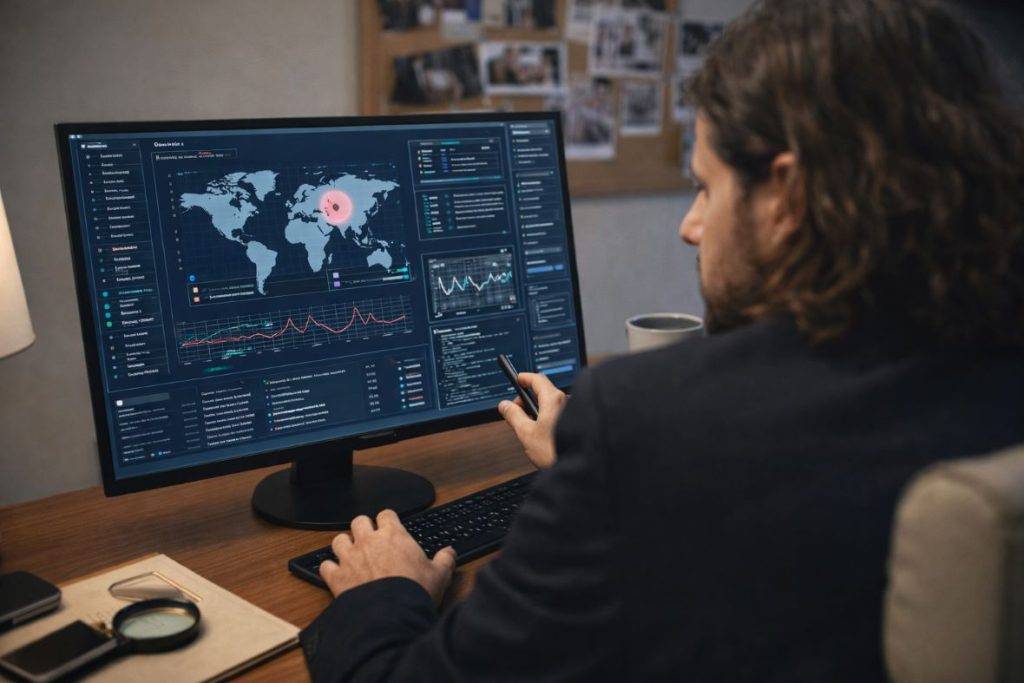
Computers are excellent at recording what happened, but they’re less effective at proving who was actually sitting in the chair at the time. A digital trail can show that a password was entered or a file was moved. However, without physical evidence, a suspect can simply claim their device was hacked or used by someone else. Private investigators provide the necessary link between a digital event and a physical action. They look for the “why” and the “who” that data logs often miss.
When you hire a private investigator to assist with a case, they look for clues that don’t appear in a line of code. They might find discarded notes, observe suspicious meetings, or track the purchase of specialised equipment. Private investigators solve this gap by connecting digital actions to physical reality. When people ask, “Can someone really be identified from online activity?” the answer is yes, but only when digital evidence is supported by human behaviour, locations, and timelines.
Investigators look for details that don’t appear in a server log: suspicious meetings, unusual purchases, changes in routine, or access to specific equipment. These clues turn technical findings into a complete story, transforming abstract data into clear accountability. This is often what determines whether a case results in a workplace disciplinary action, civil litigation, or escalation to police.
The Role of Surveillance in Verifying Digital Findings
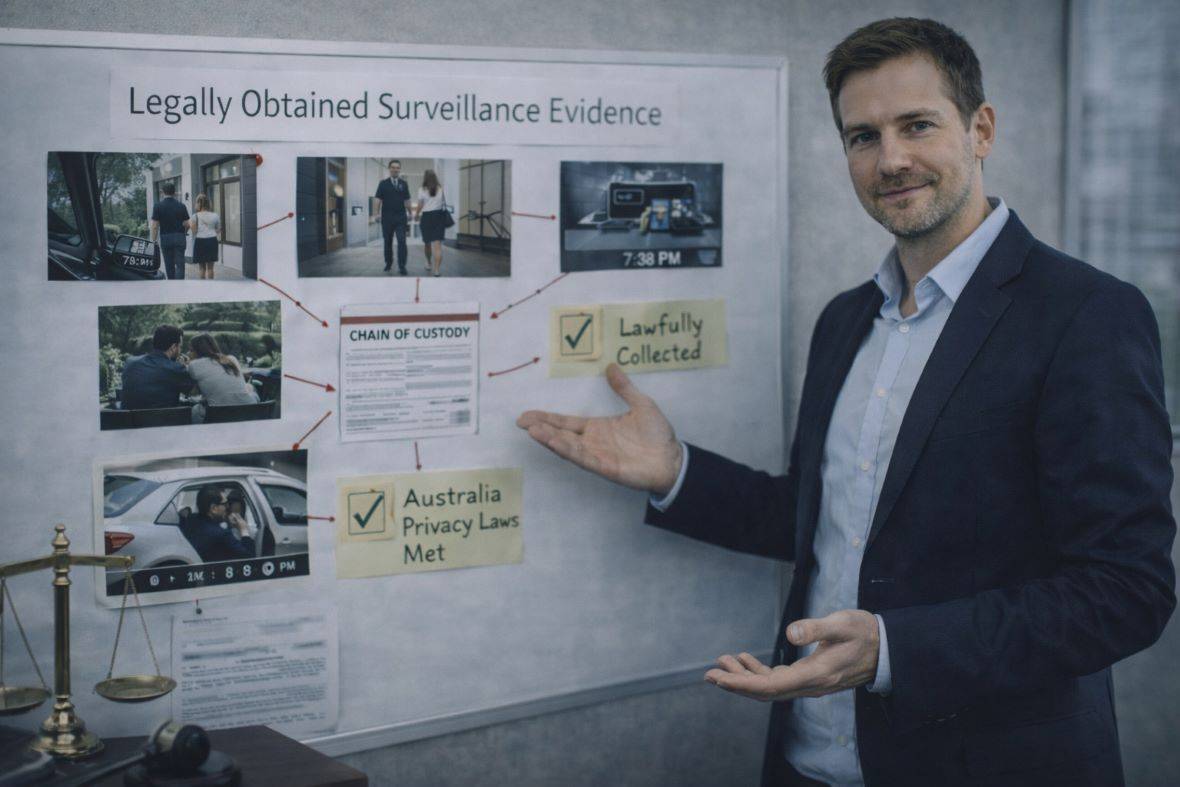
Physical surveillance is a powerful tool for confirming what happens online. It provides on-the-ground eyes to back up the data. For instance, if a company’s internal logs show someone accessed sensitive files at midnight, discreet surveillance investigations can confirm if a specific employee was actually at the office or a remote location during that exact window. This removes doubt and directly answers the question, “How do investigators prove who was using a device at a certain time?”
Investigators use high-quality cameras and GPS tracking to document a suspect’s movements. If a person claims they’re unable to use a computer due to a disability but is seen actively working on one in public, the surveillance footage becomes undeniable proof. It grounds the digital evidence in physical reality. You get a clear picture of the suspect’s activities, making it much harder for them to hide behind a screen or a fake persona.
Interviewing Witnesses to Build a Stronger Case
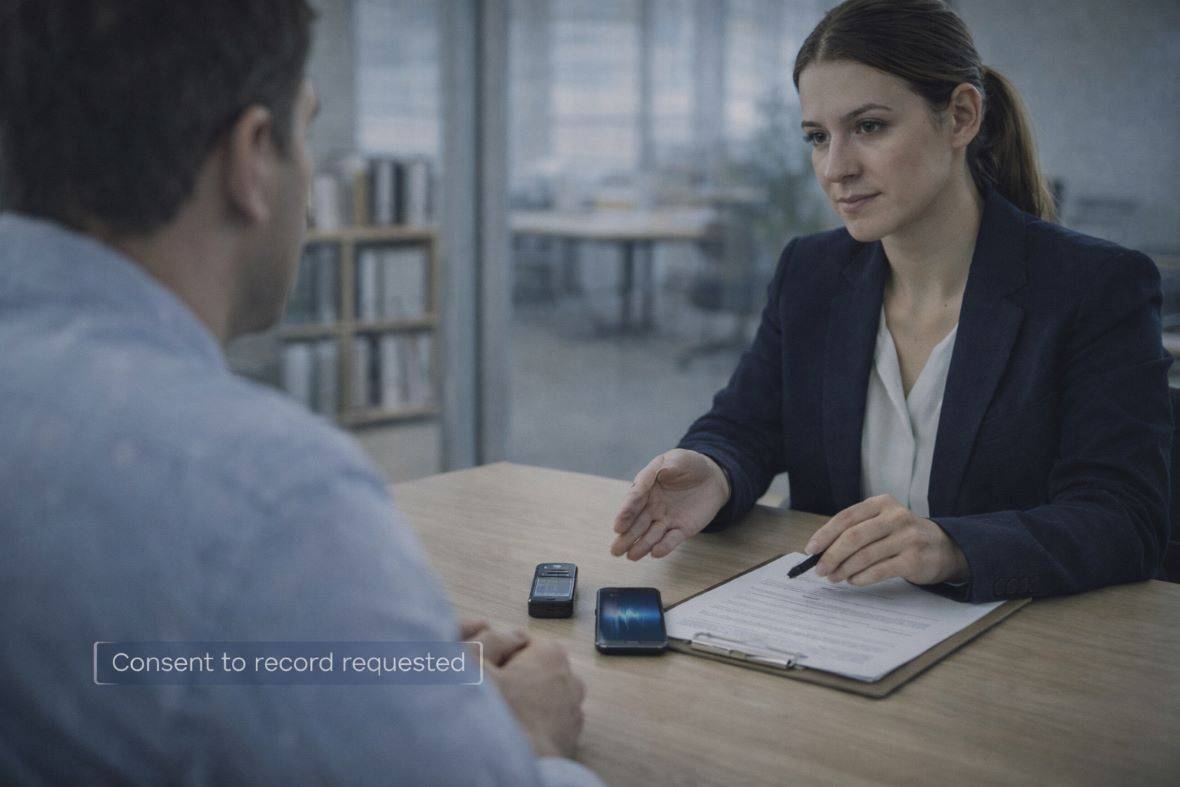
While digital logs show a timeline, human intelligence from witness interviews reveals motives and context. Private investigators’ skill in talking to people builds trust and confidence in uncovering the full story.
In short, targeted interviews can reveal motives that no system log ever will. A coworker might mention resentment over pay, access privileges, or contact with competitors. These insights help establish opportunity and intent, significantly strengthening the case. When people ask, “What’s the difference between a hacker and an insider threat?” this context is often the answer.
Short, focused interviews can reveal motives that data simply can’t capture. A witness might mention that a suspect was complaining about their salary or was seen hanging out with known competitors. These conversations provide context. They help build a stronger case by showing that the suspect had both the opportunity and a reason to commit the crime. When you combine witness statements with technical data, you create a robust body of evidence that is much more difficult to dispute.
Practical Ways Investigators Enhance Technical Reports
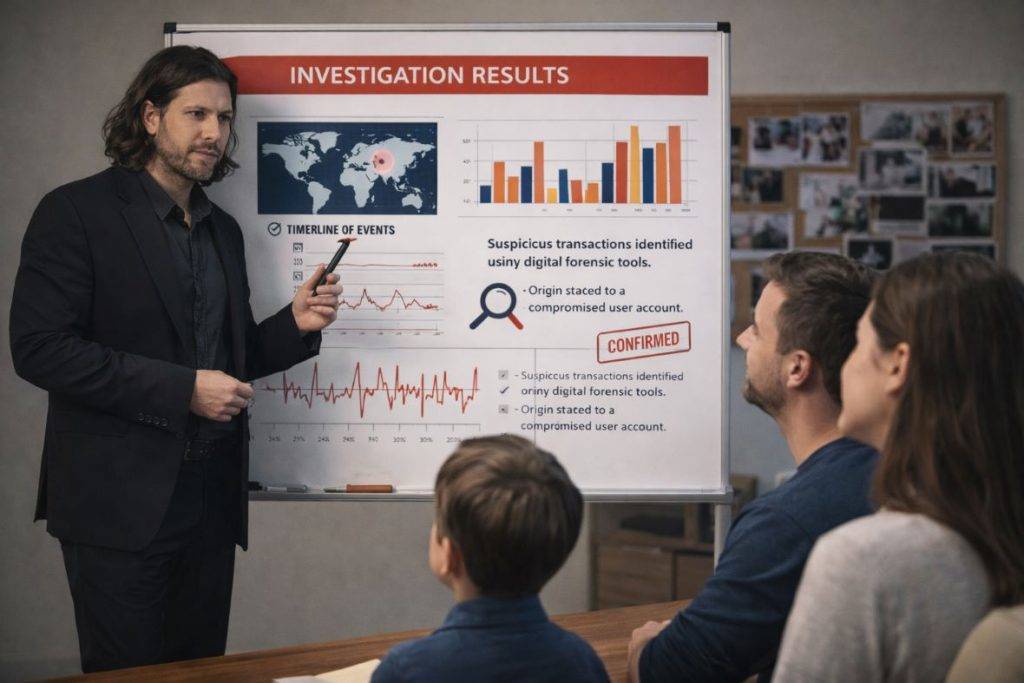
A technical report from a cybersecurity expert is often filled with jargon and complex charts. While this is important, it can be hard for a lawyer or business owner to put into practice. Private investigators take this data and translate it into a format that works for legal preparation. They focus on the human element, making sure the report is easy to understand and legally sound. Their goal is to make the evidence stand up in court or during a high-stakes board meeting.
Investigators also identify connections that lead to more evidence. If the digital data points to a specific location, the investigator will research that property, its owners, and its history. They look for patterns in the suspect’s life that match the digital patterns.
Investigators also identify lifestyle patterns that align with digital findings. Sudden expensive purchases, unexplained assets, or financial pressure can support allegations of cyber theft or data misuse. These connections help answer another frequent question: “How do investigators make technical evidence understandable and usable?”
This might include expensive recent purchases that don’t match their known income, suggesting they’ve profited from a cybercrime. These physical details add weight to the technical findings and help round out the investigation.
Finding Assets and Recovering Lost Funds
Tracking physical assets helps recover stolen funds, whether through property, luxury goods, or hidden bank accounts. Private investigators’ expertise offers hope for regaining what was lost. For many victims, the real concern isn’t just who did it — it’s “Can stolen money from cybercrime be recovered?” In many cases, yes.
By using professional digital forensics and data recovery, investigators can sometimes find clues about where the funds were sent. Once they have a lead, they use financial records and public databases to find the actual assets. Recovering stolen funds is often about finding what the thief bought with the money. If the investigator can link a new car or a real estate purchase to the timing of the theft, it provides a clear path for legal recovery and restitution.
Gathering Background Info on Suspects
Knowing who you’re dealing with is half the battle in any investigation. A cybercriminal might be a stranger from another country, or someone you know. Investigators perform deep background checks to understand a suspect’s history. They look for past criminal records, previous employment issues, and financial trouble. This information helps establish a motive and can even help predict the suspect’s next move.
When you know a suspect has a history of similar behaviour or is currently facing a lawsuit, the digital evidence against them becomes much more compelling. It shows a pattern of conduct. Investigators look for associates who might be helping the suspect or providing them with the tools needed for the attack. This comprehensive look at thesuspect’ss life ensures that no logical stone is left unturned.
Beyond the Screen
Modern cyber investigations succeed when digital data and real-world evidence work together. While technology records activity, private investigators provide context, accountability, and legal clarity.
This dual approach answers many of the questions people quietly search for online:
“Who investigates online crimes when police won’t act?”
“Is there a safe, legal way to get answers?”
“How do I move from suspicion to proof?”
By bridging the virtual and physical worlds, private investigators offer protection, resolution, and confidence. Whether the issue involves a business breach, insider threat, or online harassment, having professionals who understand both technology and human behaviour makes all the difference.
Common Questions About Private and Cyber Investigations
Can private investigators help with online harassment? Yes. They can use various methods to link anonymous digital profiles to real individuals. This often involves a mix of online research and physical confirmation to identify the person responsible for the harassment.
Is evidence from a private investigator legal in court? Yes, provided it’s obtained legally. Professional investigators are trained to comply with privacy laws and evidence-handling procedures to ensure that their findings, including surveillance and interviews, are admissible in legal proceedings.
Do you need a background in cybersecurity to hire a private investigator? No. You don’t need to be a tech expert. The investigator’s job is to handle the complex work and explain the results to you in plain, everyday language so you can make informed decisions.