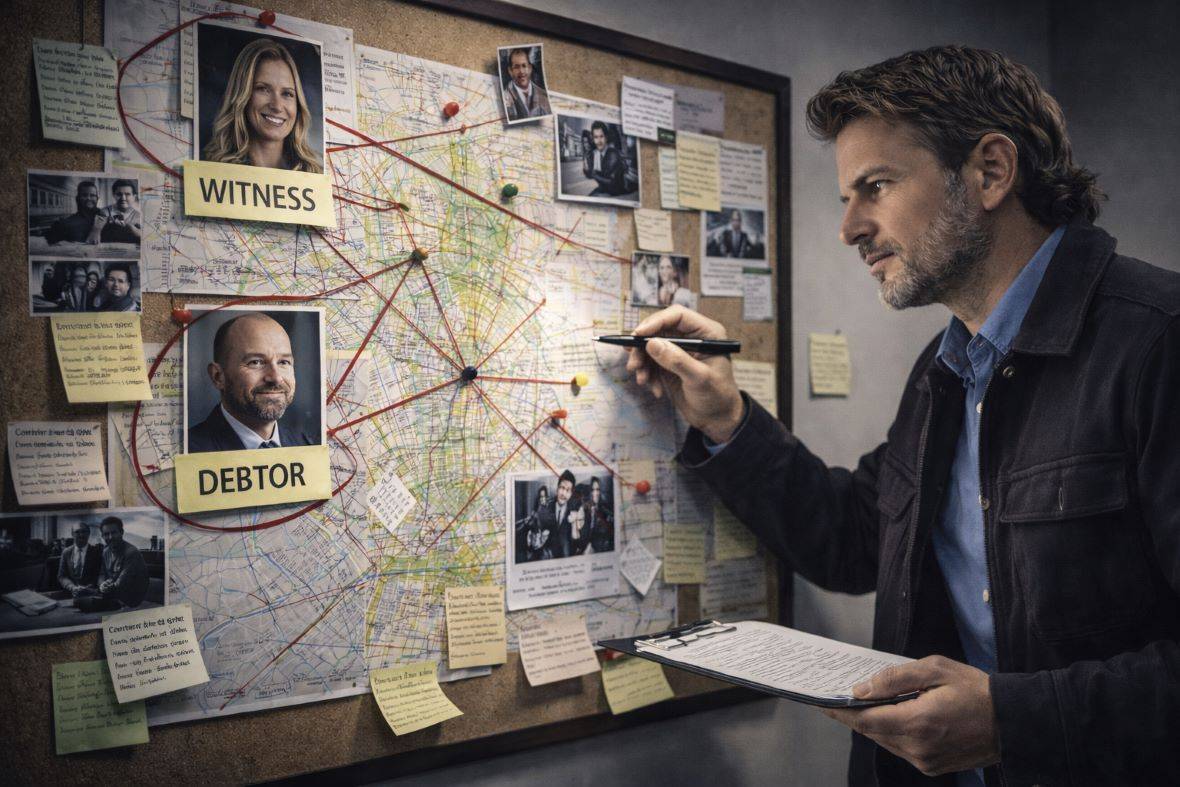
A second job, side business, freelance arrangement, or undisclosed commercial interest does not automatically amount to misconduct. The real issue for Melbourne employers is whether outside work creates a genuine conflict with the employee’s duties, affects performance, raises fatigue or safety concerns, involves misuse of confidential information, or cuts across clear workplace rules. The safest starting point is not to ask how to “catch” someone, but to ask what can be documented lawfully, proportionately, and fairly before any formal action is taken. This article is general information only, not legal advice.
Why moonlighting is not automatically misconduct
Many employers assume that any second job is a problem. It is not. The key question is whether the outside work actually interferes with the employee’s role, breaches a workplace policy, creates a conflict of interest, or causes a business impact that the employer can clearly point to. In practice, employers are on stronger ground when they focus on conduct and consequences rather than suspicion alone.
A conflict of interest usually matters when a personal interest, outside role, or commercial activity can reasonably affect the employee’s ability to act in the employer’s interests while at work. That may include working for a direct competitor, diverting clients, using the employer’s time or systems for another venture, misusing confidential information, or approving work involving a personal financial interest that was never disclosed. In those situations, the issue is not merely that the employee has another source of income. The issue is that the outside activity may now be affecting the job, the workplace, or the business itself.
Start with the documents the business already has
The first lawful source of evidence is usually internal. Employers should begin with the employment contract, position description, policies on conflicts of interest, confidentiality, secondary employment, IT use, and any disclosure requirements that apply to outside work. A written policy helps define what underperformance is, how it will be handled, and what consequences may follow. It also makes expectations clearer and reduces the risk that an employee later argues they were treated inconsistently or unfairly.
This matters because a conflict-of-interest issue is much easier to manage where the employer can point to a clear rule, a defined duty, and an identified business risk. If the policy requires disclosure of outside work where a conflict may arise, and the employee failed to do so, the employer is starting from a much stronger basis than office rumours or assumptions.
What employers can usually document lawfully

1. Rosters, attendance, and time-based patterns
One of the safest things an employer can document is time. This includes rosters, attendance records, lateness, unexplained absences, frequent last-minute changes, and patterns showing that performance dips after outside work or after-hours commitments. Where moonlighting is creating fatigue, these records can become especially important because work-related fatigue is a recognised workplace risk and employers have duties to identify and control psychosocial hazards, including fatigue-related risks.
In practice, this means the employer does not need to prove every detail of the second job to start documenting the impact. If a worker repeatedly arrives late, performs poorly after overnight outside work, or becomes less reliable during a period when undisclosed secondary employment is suspected, those facts can be recorded and addressed directly.
2. Performance, output, and business impact
If the concern is that outside work is affecting performance, the employer should document the performance issue itself. That can include missed deadlines, reduced output, customer complaints, unexplained unavailability, failure to follow instructions, poor quality work, or other measurable declines. Underperformance guidance recommends clear discussion, specific examples, reasonable steps for improvement, and documentation of meetings and outcomes. Employers are also told to take notes, confirm what was said in writing, and keep those records in the employee’s file.
This kind of evidence is usually stronger than broad statements like “we think they are distracted by another job.” A well-kept chronology of underperformance, complaints, warnings, or missed obligations is much more useful if the issue later turns into a disciplinary process or a dispute.
3. Use of company systems, devices, and records
Employers can often document how work systems are being used, especially where there is a clear workplace policy and staff have been told what is monitored, why it is monitored, and how that information may be used. Best-practice privacy guidance recommends telling employees what personal information is collected, why it is collected, who it may be shared with, and how they can access or correct it. It also recommends that workplace policies specify which monitoring or data-collection technologies are used and how the information will be stored and accessed. General privacy guidance also notes that monitoring of email, internet, and other computer resources is generally more defensible where employees have been told it is happening.
In a moonlighting or conflict-of-interest matter, this may include documenting email metadata, system access logs, expense records, CRM activity, file access, company phone usage, or work completed during paid hours. The safer approach is to keep the collection tied to the business issue rather than trawling through everything available “just in case.”
4. Publicly available information
Public information can also be relevant. If an employee is openly promoting a side business, advertising services online, listing themselves with a competitor, or publicly presenting a commercial role that overlaps with their employment duties, that material may help establish whether the outside work is real and whether it creates a genuine business issue. Public information is often useful because it can support or contradict what the employee has disclosed without requiring covert surveillance or invasive collection.
The value of public material is usually greatest when it is used to verify a practical concern: client overlap, competing work, side-business promotion during work hours, or a contradiction between what the employee told the employer and what is publicly visible. It is less useful when employers treat social media as a shortcut to judgment rather than one piece of a wider evidence picture.
5. Witness accounts and internal complaints
Managers, co-workers, clients, and suppliers may all have relevant information in a conflict-of-interest investigation. A co-worker may have seen company time used for another business. A client may have been approached privately. A manager may have received disclosures that were never properly followed up. Best-practice dispute guidance recommends fair, confidential, and transparent procedures and recognises that some matters can be resolved quickly, while more serious issues may require a more formal approach.
What matters here is specificity. Employers should record who raised the concern, what they observed, when it happened, and why it matters to the work or business. Specific accounts are far more useful than vague allegations or anonymous workplace gossip with no clear factual basis.
What employers should be careful not to document unlawfully
The fact that evidence may be useful does not make every collection method safe. In Victoria, employers should be cautious about covert audio recording, hidden visual recording, and overly broad collection of personal information. Workplace privacy guidance warns that monitoring technology can create privacy implications, and Victorian privacy guidance stresses security, necessity, and the need to avoid excessive use or disclosure of employee information. Where suspected wrongdoing is involved, Victorian guidance still points employers toward reasonable grounds and necessity, rather than open-ended searching.
That matters particularly in moonlighting matters because the temptation is often to escalate too quickly. Secret recording of private conversations or intrusive surveillance can create fresh legal and employee-relations risks of its own. The more defensible path is usually to begin with policies, rosters, system records, witness accounts, public material, and documented business impact before considering any more specialist step.
The role of fatigue, after-hours work, and right-to-disconnect issues
Moonlighting issues can overlap with fatigue and after-hours expectations. If an employee’s outside work is leading to exhaustion, safety concerns, missed work, or poor judgment, that becomes a workplace issue regardless of whether the second job itself is otherwise permissible. At the same time, employers should not assume that after-hours contact is unlimited. Employees now have the right to refuse to monitor, read, or respond to contact outside their working hours unless the refusal is unreasonable, and the law requires considering several factors when assessing that question.
For Melbourne employers, this means the investigation should stay disciplined. It is fine to document that performance is dropping after outside work or that a role is now creating fatigue risk. It is less safe to start treating private time as an open field for constant monitoring or pressure. The better approach is to clearly define expectations, document the work-related consequences, and manage the matter through a fair internal process.
A practical way to investigate lawfully
The safest sequence is usually straightforward. Start with the contract and policy position. Identify the actual business concern. Gather the ordinary records already available to the business, such as rosters, complaints, output, access logs, and expense records. Preserve notes of conversations and give the employee a chance to respond. If the issue remains serious, move into a more formal and documented workplace investigation. Disciplinary action, if it becomes necessary, should be taken in a reasonable, lawful way and only after the employer has a valid reason and a fair process.
That approach is usually stronger than trying to build a case around secret recordings or broad monitoring. In most Melbourne moonlighting and conflict-of-interest matters, ordinary business records tell the story more clearly than dramatic methods ever will.
Conclusion

Moonlighting is not automatically misconduct, and a conflict of interest is not proved by suspicion alone. What matters is whether the outside activity creates a real conflict, affects performance, misuses the employer’s resources, or exposes the business to fatigue, confidentiality, client, or safety risks. Melbourne employers are usually on their strongest footing when they document policies, rosters, performance issues, system use, public information, and witness accounts first, and when they keep the process proportionate, fair, and lawful. That kind of documentation does not just help clarify what happened. It also helps the employer make better decisions about whether the issue can be managed, disclosed, resolved, or escalated.
FAQs
1. Is moonlighting automatically misconduct in Melbourne?
No. A second job is not automatically misconduct. The real issue is whether it creates a genuine conflict of interest, affects performance, causes fatigue or safety risks, misuses confidential information, or breaches a lawful workplace rule.
2. Can an employer monitor work email or device use during an investigation?
Often yes, but it is much safer where the employer has clear policies, staff have been told what monitoring occurs, and the collection is tied to a legitimate business purpose rather than broad curiosity.
3. What is the safest evidence to start with in a conflict-of-interest matter?
Usually the safest evidence is ordinary business evidence: contracts, policies, rosters, attendance records, performance records, system logs, public information, and properly documented witness accounts. These are generally less risky and more useful than intrusive collection methods.
References
Fair Work Ombudsman. Effective dispute resolution best practice guide. https://www.fairwork.gov.au/tools-and-resources/best-practice-guides/effective-dispute-resolution
Fair Work Ombudsman. Managing performance and warnings. https://www.fairwork.gov.au/employment-conditions/performance-in-the-workplace
Fair Work Ombudsman. Managing underperformance best practice guide. https://www.fairwork.gov.au/tools-and-resources/best-practice-guides/managing-underperformance
Fair Work Ombudsman. Protections at work. https://www.fairwork.gov.au/employment-conditions/protections-at-work
Fair Work Ombudsman. Right to disconnect. https://www.fairwork.gov.au/employment-conditions/hours-of-work-breaks-and-rosters/right-to-disconnect
Fair Work Ombudsman. Workplace privacy best practice guide. https://www.fairwork.gov.au/tools-and-resources/best-practice-guides/workplace-privacy
Office of the Australian Information Commissioner. Collection of personal information. https://www.oaic.gov.au/privacy/your-privacy-rights/your-personal-information/collection-of-personal-information
Office of the Australian Information Commissioner. Employment. https://www.oaic.gov.au/privacy/your-privacy-rights/more-privacy-rights/employment
Office of the Australian Information Commissioner. Use and disclosure of personal information. https://www.oaic.gov.au/privacy/your-privacy-rights/your-personal-information/use-and-disclosure-of-personal-information
Office of the Australian Information Commissioner. Workplace monitoring and surveillance. https://www.oaic.gov.au/privacy/your-privacy-rights/surveillance-and-monitoring/workplace-monitoring-and-surveillance
Office of the Victorian Information Commissioner. Privacy during employment. https://ovic.vic.gov.au/privacy/resources-for-organisations/privacy-during-employment/
Victoria. Surveillance Devices Act 1999. https://www.legislation.vic.gov.au/in-force/acts/surveillance-devices-act-1999
WorkSafe Victoria. Work-related fatigue: A guide for employers. https://www.worksafe.vic.gov.au/work-related-fatigue-guide-employers